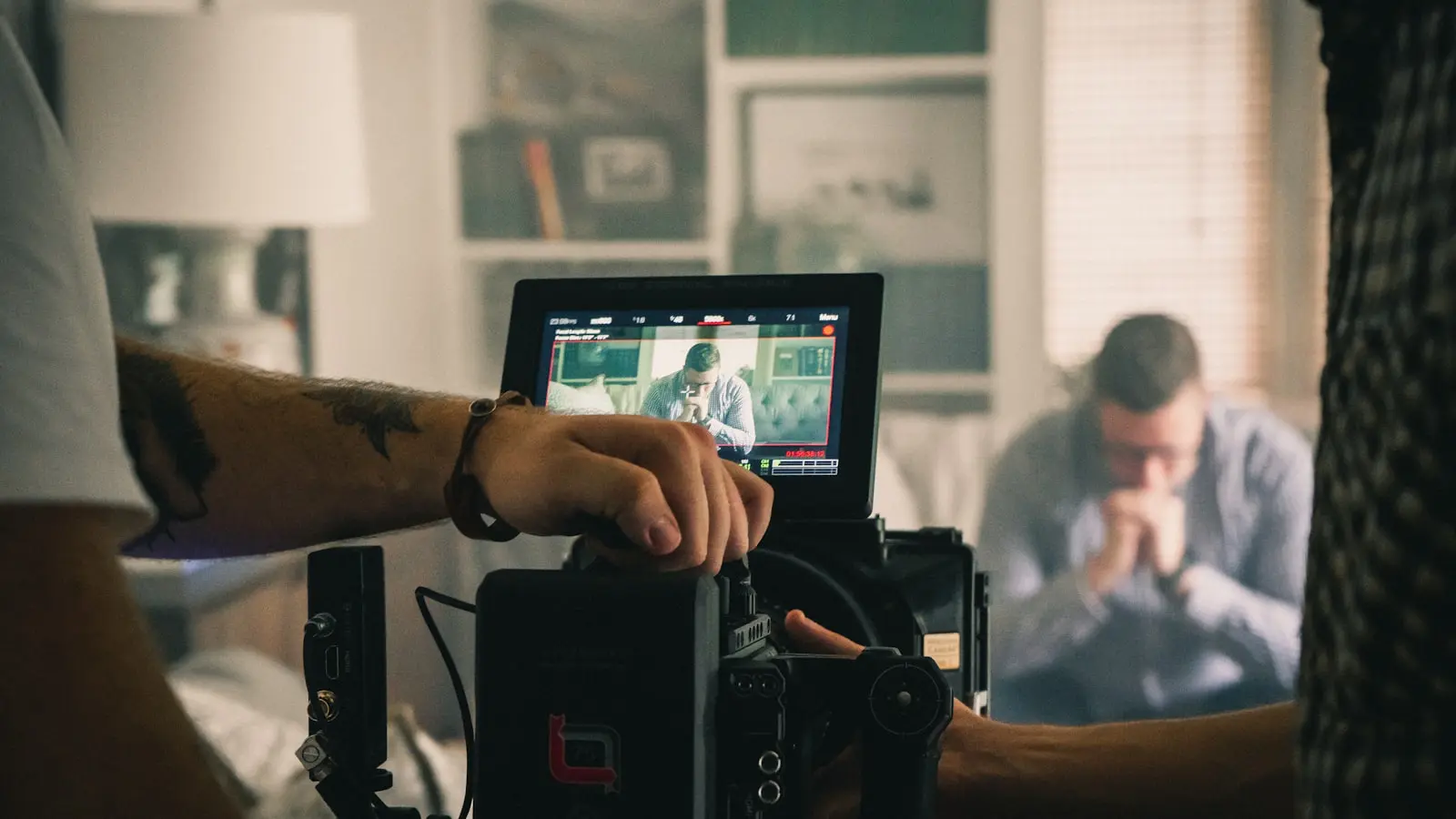

The shift from in front of the lens to behind it represents one of the most volatile career arcs in modern Hollywood. While the studio system historically viewed actors as transient commodities, a clear trend has emerged: films helmed by former performers currently command a 25% higher rate of critical acclaim than those directed by traditional career-path auteurs within the same budget tiers. This is not merely a byproduct of name recognition or industry pedigree. It is a fundamental realignment of how narrative tension is managed on set.
The Psychology of the Performance-First Lens
Acting is an exercise in vulnerability and micro-precision. Directing, conversely, is an exercise in macro-cohesion. When a director like Bradley Cooper or Greta Gerwig steps into the chair, the primary asset they bring is a linguistic shorthand with their cast. They understand the mechanics of an emotional beat (and how quickly a bad lighting choice can kill a performance). This translates into a production environment where the director communicates the “why” rather than just the “what.” (Is there any better way to elicit a genuine reaction?) By prioritizing the performance-focused intensity of the project, these directors minimize the friction between the script and the final cut.
The Technical Skepticism Barrier
Despite the critical success, the transition is rarely smooth. Career cinematographers and seasoned crew members are notoriously skeptical of actors masquerading as technical leads. To survive, the actor-turned-director must undergo an immediate, high-pressure education in cinematography, color grading, and narrative pacing. The most successful examples in this cohort do not attempt to be the best technician on set. Instead, they hire the best technicians and speak their language. They bridge the gap between aesthetic theory and raw emotion.
Structural Advantages in Narrative Pacing
When examining the success of directors like Ben Affleck, it becomes clear that their tenure as actors has provided them with an intuitive map of audience engagement. They recognize when a scene is dragging long before the editor flags the pacing issues. This stems from years of feeling the energy in a room or on a soundstage during live takes. They are essentially data-collectors who have spent decades analyzing what works and what falls flat.
- Enhanced Communication: Directorial instructions become intuitive rather than theoretical.
- Collaborative Trust: Actors are often more willing to push boundaries when they trust the director has stood in their shoes.
- Strategic Hiring: Former actors often surround themselves with stronger technical mentors to compensate for their lack of traditional film school training.
Economic and Industry Implications
The industry is responding to this pattern by adjusting how it scouts talent. Studios are no longer strictly looking for the next “visionary auteur” out of Sundance. They are looking for leads who show a predisposition for production logistics. This shift creates a competitive environment where the “triple threat” (acting, writing, and directing) becomes the safest bet for high-budget studio projects. The skepticism that once plagued actors moving into the chair is eroding under the weight of consistent performance metrics. (It is a long overdue change.)
Ultimately, the ability to direct is the ability to mediate. Whether one has spent their life behind a camera or in front of it is irrelevant if the director cannot synthesize a team into a singular vision. However, the data confirms that those who have spent years navigating the emotional complexities of acting possess a unique advantage in translating human experience into high-value cinematic output.