
The scoreboard of physiological adaptation is written in aerobic capacity, not vanity metrics. While the siren song of high-wattage sprints draws many athletes to the ergometer, data-driven training programs consistently highlight a different hierarchy of efficacy. Elite training cycles reveal that the path to a faster 2,000-meter test time is not found in endless sprinting. It is found in the repetitive, disciplined endurance of steady-state work.
Analysis of performance metrics confirms that a 3:1 ratio of steady-state sessions to interval training yields the most significant gains in sustained power output. This is not merely a preference; it is a mechanical necessity. The rowing machine engages approximately 86% of the human musculature, a structural load that demands careful management to avoid burnout. (Is it really progress if you cannot train tomorrow?) By dedicating the bulk of a training block to 40-minute sessions at a 20-stroke-per-minute pace, athletes cultivate the aerobic base required to sustain high intensity during the final quarter of a race.
The Physics of the Drive
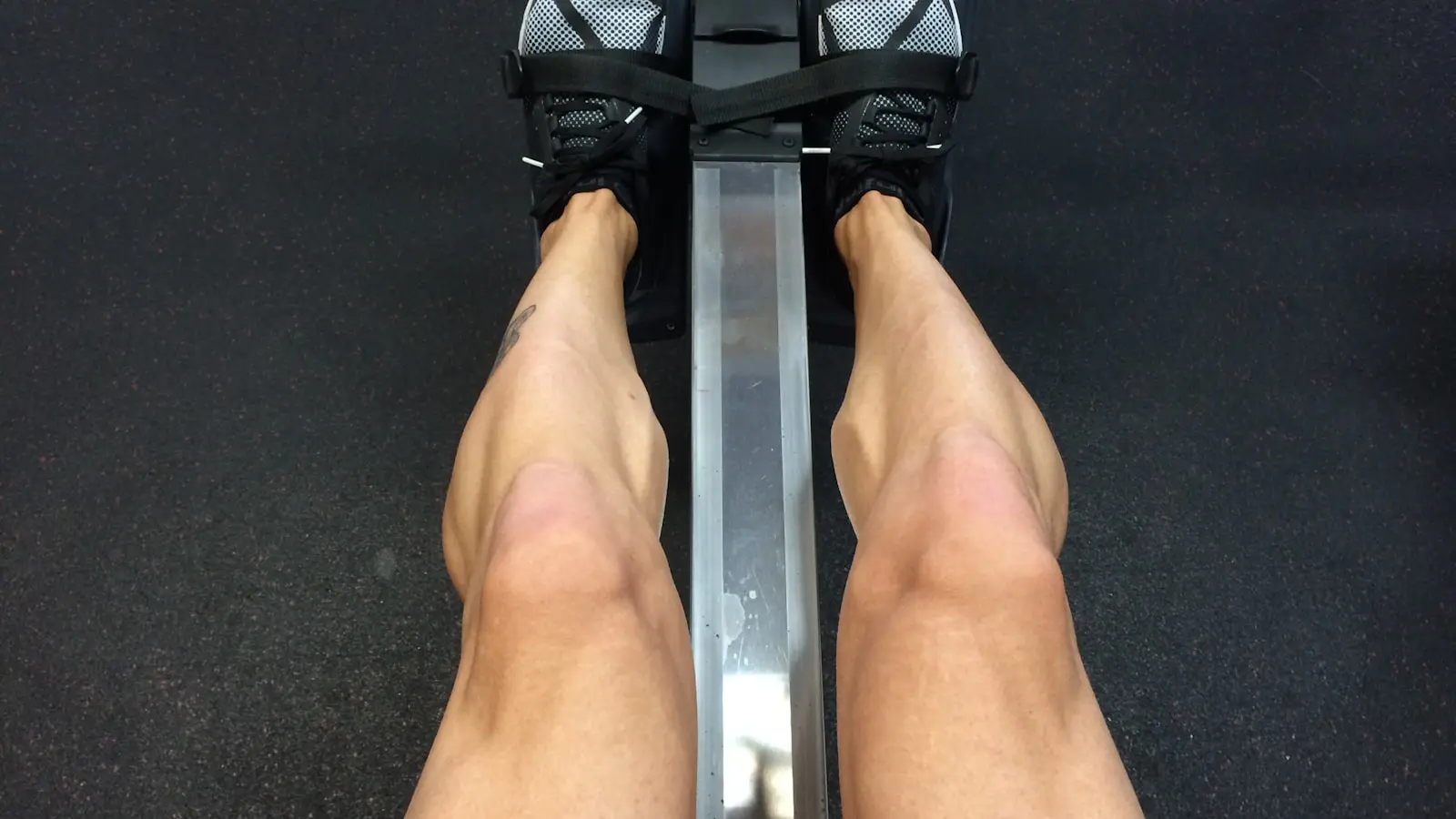
Efficiency on the ergometer is defined by the transfer of force from the footstretcher to the handle. Coaches stress a technical breakdown of 60% leg drive, 20% core engagement, and 20% arm pull. When this ratio collapses, injury risk spikes. Many novices attempt to compensate for poor cardiovascular conditioning by increasing arm work, a classic error that puts the lumbar spine at significant risk.
| Muscle Group | Contribution Percentage |
|---|---|
| Legs | 60% |
| Core | 20% |
| Arms | 20% |
Technical Miscalculations
Beyond the training split, the drag factor remains the most misunderstood variable in the boathouse. Olympic coach Tom McCreary has noted that athletes frequently treat drag factor as a “resistance” setting, cranking it to the maximum in an attempt to simulate heavy water. This is a tactical failure. Drag factor must be adjusted to the rower’s individual height and force profile to ensure the machine mimics the glide of a shell. High drag does not equate to high power; it equates to high injury potential and sluggish technique.
Metrics That Matter
Community sentiment and longitudinal studies converge on a single truth: focusing on calories is a distraction. Split times provide a granular view of velocity and power application that a raw calorie count simply cannot replicate. Tracking splits allows for the identification of power leakage within the stroke cycle. If the split fluctuates wildly during a steady-state row, the athlete is failing to maintain technical consistency under fatigue.
- Aerobic Capacity: Build this through high-volume, low-rate sessions.
- Power Threshold: Reserve this for 500-meter sprints aimed at peak wattage.
- Sustainability: Maintain a strict 3:1 ratio to preserve the lower back and connective tissue.
Ultimately, the data suggests that rowing is an exercise in restraint. The athletes who win are not the ones who sprint every day; they are the ones who can hold a steady, grinding pace for 40 minutes without sacrificing their form. The ergometer provides the feedback. The athlete provides the discipline. The results are merely the outcome of the math.