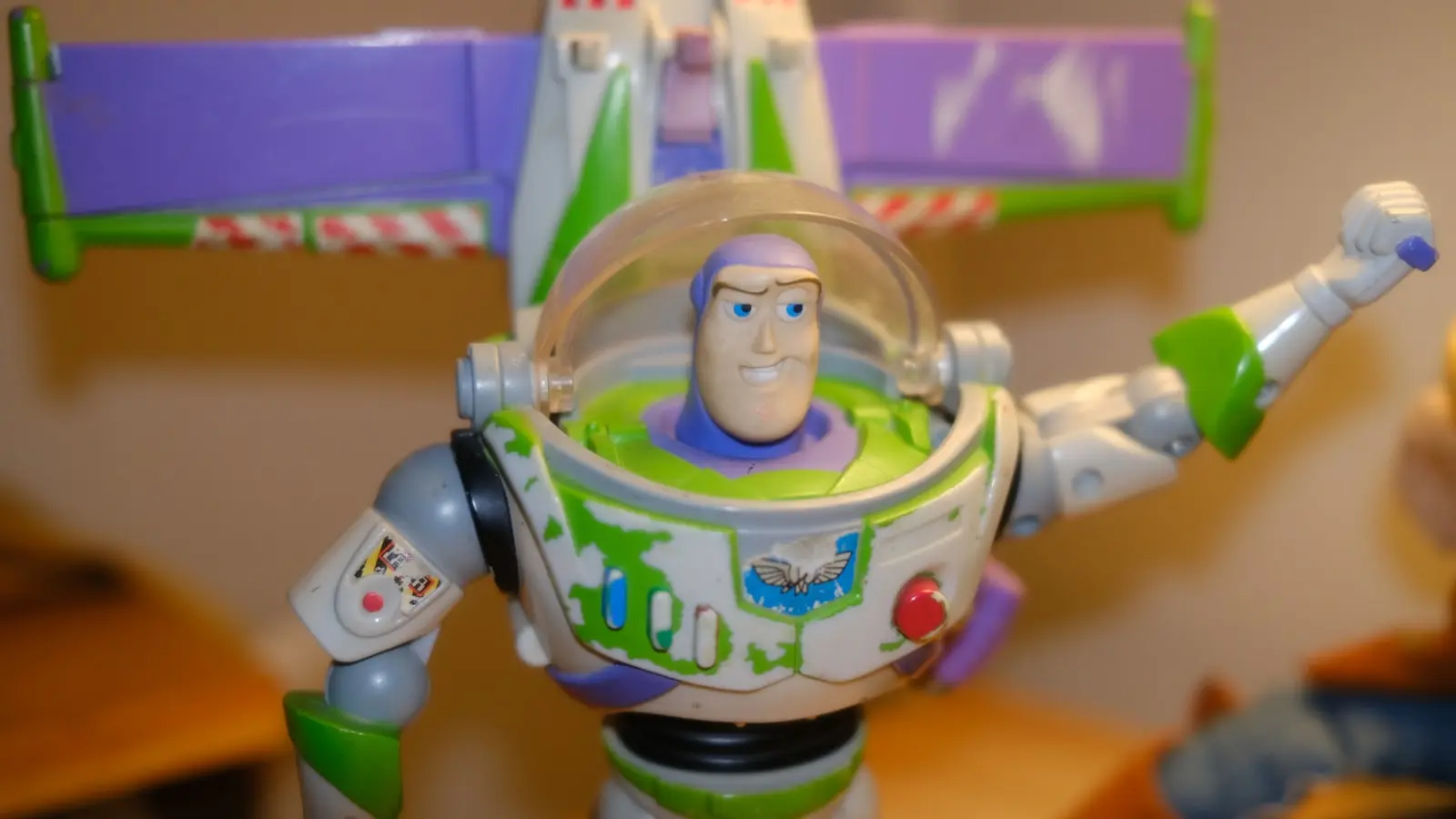

The Anomaly of Sustained Perfection
In an industry defined by diminishing returns and the frequent erosion of narrative integrity, the Toy Story franchise stands as a statistical outlier. With the original trilogy maintaining a collective 99 percent critical approval rating across major aggregators, the series has managed a feat that few cinematic properties ever approach. It is not merely a matter of nostalgia or technical legacy; the franchise functions as a case study in how rigorous development protocols can shield a story from the pressures of commercial serialization. When Pixar engineers began pixel-mapping the world of Andy Davis in the mid-nineties, they were not just building a film; they were constructing a template for the modern animated epic.
The Braintrust Mechanism
Critics often point to Pixar’s internal ‘Braintrust’ as the primary mechanism behind this consistency. This peer-review process, where directors and writers hold one another accountable for character logic and emotional stakes, functions as a filter for narrative fluff. It prioritizes the arc of the character over the demands of a spectacle-driven release calendar. (A rare luxury in a studio landscape often dominated by quarterly profit reports). The process forces a brutal assessment of every script segment, ensuring that each entry serves a narrative necessity rather than a contractual obligation. By focusing on the internal lives of toys—fears of obsolescence, the nature of loyalty, and the inevitability of transition—the writers created a tether to the human experience that remains anchored regardless of the technical upgrades in rendering software.
Evolving with the Audience
What defines the Toy Story franchise is its deliberate decision to age in tandem with its audience. The 1995 release provided a technical revolution for the digital medium, but the 2010 release of Toy Story 3 shifted the conversation toward the existential reality of departure and abandonment. This evolution demonstrates a sophisticated understanding of audience demographics. The studio recognized that the children who watched Woody and Buzz in the nineties were experiencing the same life transitions as the characters. By addressing these shifts, the films transcended the genre of ‘family entertainment’ to become a longitudinal study of character maturation.
- Technological Innovation: The series transformed from a nascent CGI experiment into a benchmark for hyper-realistic lighting and physics.
- Narrative Necessity: Each sequel identifies a specific thematic endpoint rather than relying on recycled beats.
- Thematic Resilience: The stories explore universal life lessons that remain relevant decades after the original release.
The Cost of the Sequel
Industry analysts often note that the franchise avoids the ‘sequel trap’—the tendency for sequels to feel like retreads of original successes. While most franchises scramble to replicate the beats of their predecessor, Toy Story consistently shifts the stakes. Toy Story 2 navigated the tension of potential museum preservation against the utility of being loved; Toy Story 3 confronted the finality of childhood’s end; Toy Story 4 dismantled the expectation of a central master altogether. (The shift in scope is jarring, yet necessary). This willingness to dismantle the status quo is what prevents the series from becoming stagnant. It refuses to settle for being a brand, opting instead to remain a narrative experiment.
The Legacy of the Benchmark
As film historians evaluate the cultural impact of this franchise, the consensus points to a rare alignment between technological innovation and emotional depth. Most franchises suffer from the weight of their own history, yet this series utilizes its history as a foundation for thematic expansion. By adhering to a process that values the integrity of the arc above the demands of the box office, Pixar created a rare model for franchise sustainability. The data supports the conclusion: when stories are treated as living, evolving entities, they do not suffer from the fatigue typical of long-running series. The Toy Story franchise remains the industry gold standard. It is still moving.