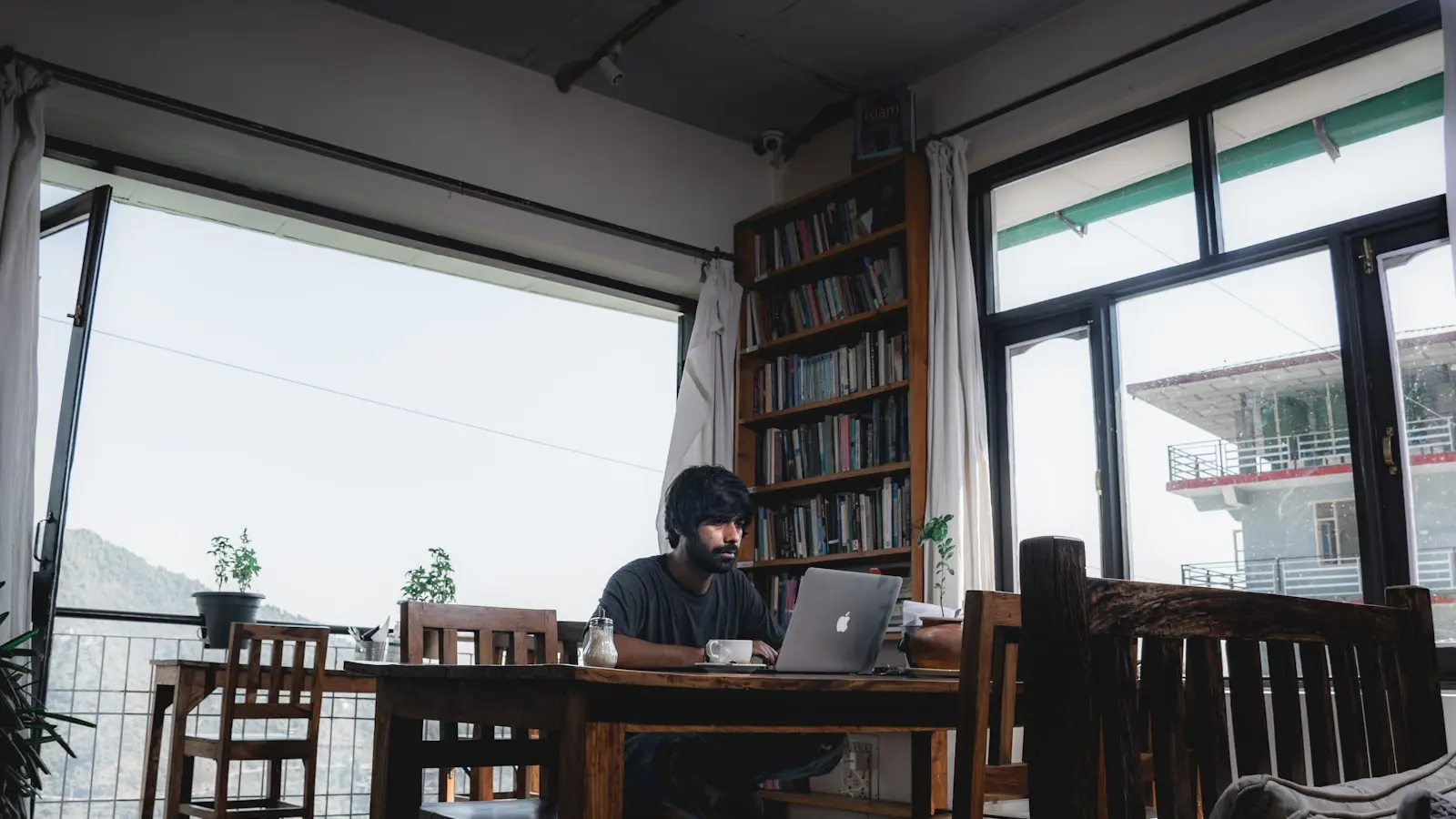

The modern professional existence has dissolved the traditional boundary between the cubicle and the departure gate. As remote work becomes the standard for startup founders and digital nomads, the industry has witnessed a migration away from the frantic pace of ‘city-hopping’ toward a methodology of extended residency, often referred to as slow travel. Data from the November 2023 Travel Industry Trends Report indicates that staying in a single location for seven days or longer yields a 30% reduction in travel-related stress. This is not merely a preference for relaxation; it is a calculated shift in behavioral economics.
The Cost of Sensory Friction
Transitions are expensive. When a human moves from one environment to another, the brain attempts to map the new geometry of a space, identify local supply lines, and secure a stable signal for digital communication. This process creates what psychologists term ‘transition shock.’ It is a period lasting between 48 and 72 hours where the absence of familiar sensory cues—the specific hum of a local cafe, the layout of a grocery store, the reliable ping of a stable network—triggers a measurable increase in frustration. (Is it any wonder productivity plummets during these windows?)
Dr. Helena Rossi, a prominent travel psychologist, describes this initial hostility toward a new location as an emotional artifact. The brain does not hate the new city; it hates the loss of its map. To mitigate this, successful remote professionals are no longer prioritizing proximity to monuments or aesthetic landmarks. Instead, they operate on a hierarchy of utility: the primacy of high-speed, reliable connectivity ranks above the view from a window.
Structural Integration
If the goal is to bridge the gap between leisure and labor, the logistics must be pre-emptively hardened. The industry trends show a pivot toward vetted accommodation models that mimic domestic stability. By securing housing that guarantees environmental consistency, the remote worker reduces the cognitive load required to survive the ‘transition shock.’
Consider the economic implications of this shift:
- Reduced churn: Longer stays minimize the sunk costs of booking and transit logistics.
- Hyper-local integration: By staying in a neighborhood for 14 to 30 days, travelers gain access to local supply chains that are cheaper than tourist-focused infrastructure.
- Output parity: Stable environments lead to sustained workflow, effectively turning a ‘workation’ into a net-positive period for professional output.
The Architecture of Stay
Successful ‘workation’ participants often ignore the urge to see every sight in the first three days. They treat the arrival as a period of stillness. They establish a workspace first, verify the internet speed second, and only then seek out the local sensory landscape. This is a disciplined approach to geography. (Frankly, attempting to act like a tourist while maintaining a startup schedule is a recipe for failure.)
By choosing to linger, the traveler stops competing with the city and begins to function within it. The environment shifts from an obstacle to be overcome into a canvas for routine. This is the core psychological benefit of the slow travel model: it moves the traveler from a state of constant, high-energy acquisition to one of deliberate, low-friction integration. As the data suggests, when the environment becomes predictable, the professional can finally move from surviving the move to doing the work.