The Reality of Sicilian Street Food and Digestive Distress
A traveler lands in Palermo, steps into the Vucciria market, and is immediately surrounded by the hiss of frying olive oil, the tang of fresh lemon, and the sight of golden arancini cooling on wire racks. Within hours, that same traveler might be hunched over a bathroom sink, wondering what went wrong. This scenario plays out frequently enough that online travel forums, including Reddit’s Sicily travel threads, are filled with warnings about digestive upset after indulging in local street food. The question is not whether this happens, but why, and what the evidence says about reducing the risk.
What the Data Reveals About Traveler’s Diarrhea
Gastrointestinal distress in travelers—technically termed traveler’s diarrhea—affects 30% to 70% of visitors to certain regions, depending on destination and season. Sicily, while not a high-risk area like parts of South Asia or sub-Saharan Africa, still presents a novel microbial environment. The primary culprits are enterotoxigenic Escherichia coli (ETEC), Campylobacter, and norovirus. These pathogens exploit a lack of prior exposure. A first-time visitor’s gut microbiome has not encountered the local strains of bacteria that residents tolerate without issue. The result is acute inflammation, fluid loss, and cramping.
Why Street Food Specifically Triggers Issues
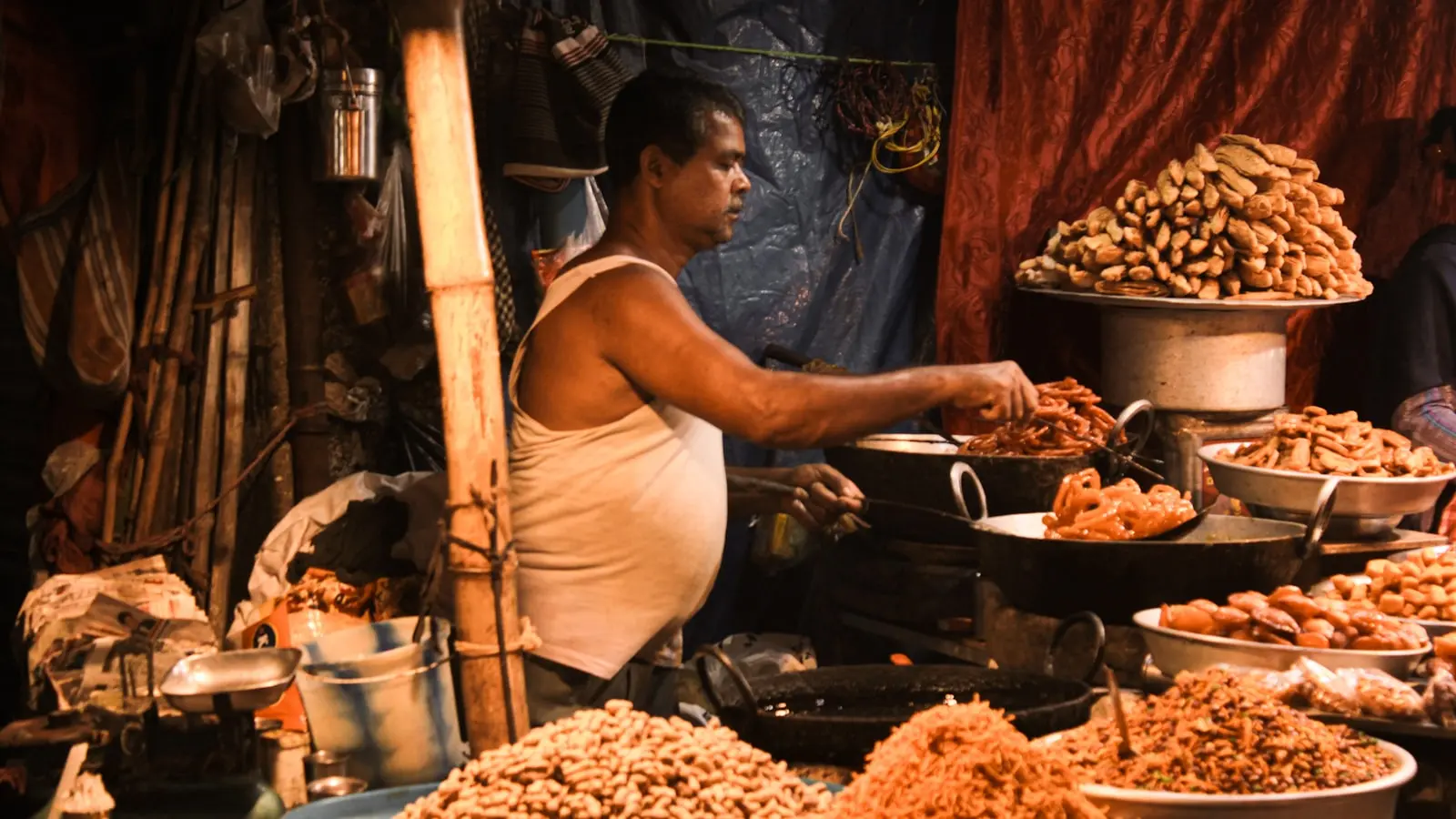
Street food in Sicily—arancini (fried rice balls), panelle (chickpea fritters), cannoli, and gelato—shares three risk factors: high moisture content, variable holding temperatures, and frequent handling. Arancini, for example, are often prepared in large batches and kept warm for hours. If the internal temperature drops below 60°C, bacterial proliferation accelerates. Gelato, despite being frozen, can suffer from temperature abuse during transport and scooping. Seafood, particularly raw or lightly cooked items like raw shrimp or anchovies, carries Vibrio species that flourish in warm coastal waters. A vendor with high turnover reduces the time food sits at unsafe temperatures. Reddit users consistently recommend choosing busy stalls; this is sound advice backed by observational data from food safety audits.
The Role of the Mediterranean Diet Shift
Another factor: the sudden increase in dietary fat and fiber. A traveler arriving from a low-fat, low-fiber Western diet suddenly consumes olive oil-drenched vegetables, fried cheese (caciocavallo), and cured meats like capocollo. The pancreas must produce more lipase. The gallbladder contracts more forcefully. The colonic microbiome receives a flood of unfamiliar polysaccharides. Gas, bloating, and loose stools are a predictable physiological response, not necessarily an infection. This is the adjustment period. The body typically adapts within three to five days. But for a short holiday, that adaptation window may never close.
What the Evidence Says About Prevention
Probiotics Before and During Travel
A 2018 meta-analysis in the Journal of Travel Medicine examined 12 randomized controlled trials involving 3,720 travelers. The conclusion: prophylactic use of Saccharomyces boulardii or Lactobacillus rhamnosus GG reduced the incidence of traveler’s diarrhea by roughly 15% to 25%. The effect is modest but statistically significant. The mechanism involves competitive exclusion of pathogens and production of short-chain fatty acids that reinforce the gut barrier. Reddit anecdotes about probiotics “significantly reducing discomfort” align with this evidence, though individual responses vary. A two-week lead-in is recommended to allow colonization.
Rehydration Salts as a First-Line Response
The World Health Organization’s oral rehydration salts (ORS) formulation—glucose, sodium, potassium, citrate—remains the gold standard for managing mild to moderate fluid loss. Travelers who carry sachets can initiate rehydration without seeking medical care. The formula exploits the sodium-glucose cotransport mechanism in the small intestine, enabling water absorption even during active diarrhea. Electrolyte imbalance, not dehydration alone, is the primary danger. ORS addresses both.
The Case for Bottled Water
Reddit users emphatically advise drinking only bottled water. This is not alarmism. Tap water in Sicily is generally chlorinated and safe for residents, but visitors may experience transient gastrointestinal irritation from different mineral profiles or residual chlorine levels. More critically, ice used in street-side beverages may be made from unfiltered water. Bottled water eliminates that variable. The same logic applies to salads and raw vegetables: if washed in local water, they can carry pathogens. Stick to cooked foods.
What Travelers Should Actually Do
Prevention is layered. Eat at stalls with visible high turnover. Avoid food that has been sitting under heat lamps for unknown durations. Carry ORS sachets and an antimotility agent like loperamide for backup. Start a probiotic one to two weeks before departure. The combination of these measures reduces the probability of severe disruption.
One final observation: the fear of stomach issues should not deter anyone from experiencing Sicily’s culinary culture. (It is, after all, one of the world’s great food regions.) The goal is not avoidance but informed risk management. A traveler who understands the microbial landscape, the physiological adjustment, and the evidence-based tools can eat with confidence. And if something goes wrong, they know exactly what to do next.