The Neurological Alarm Bell
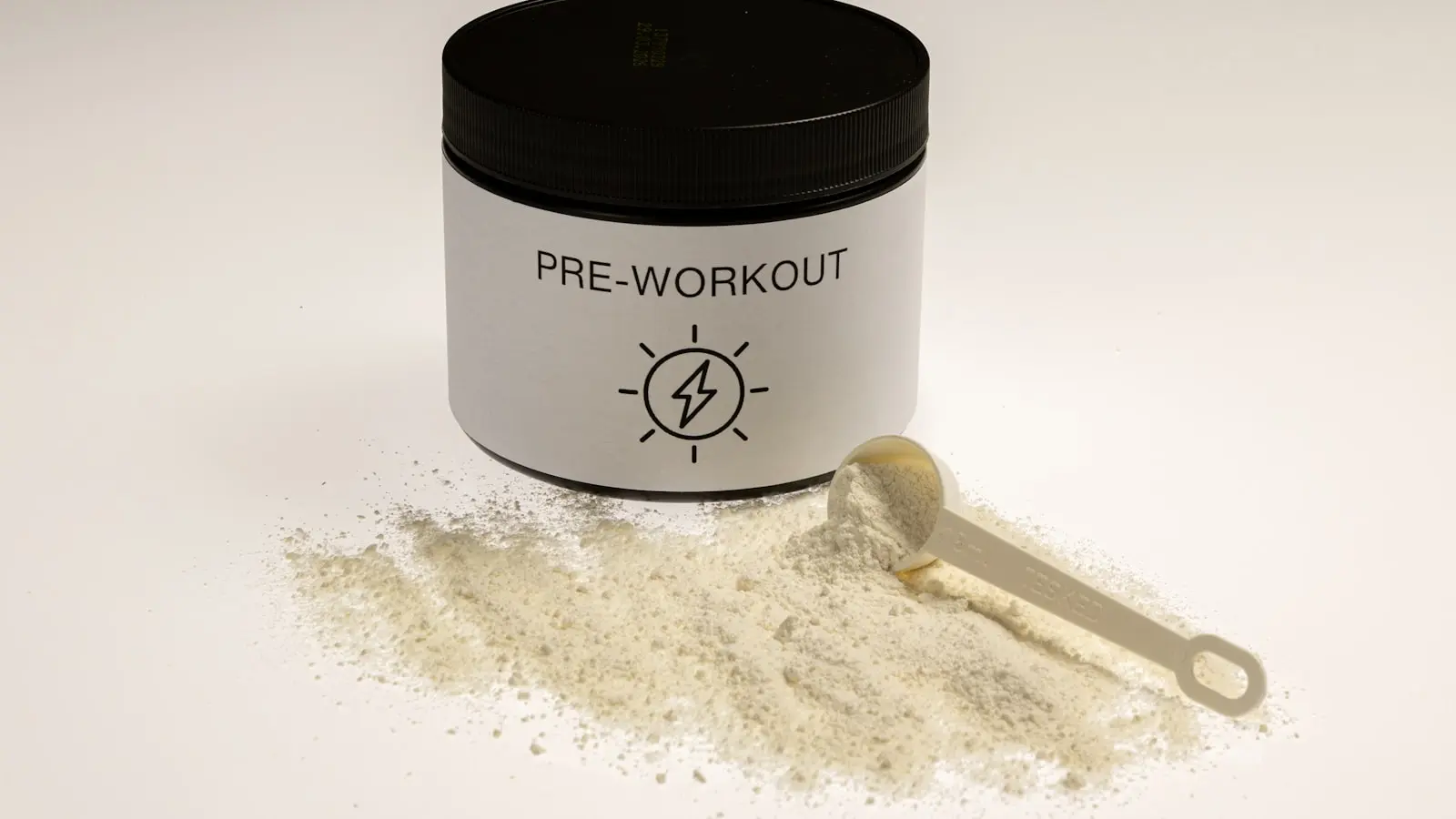
Athletes routinely measure colored powder into plastic shakers, consume the liquid, and wait. Within twenty minutes, a predictable physiological shift occurs. A distinct, creeping prickle moves across the scalp, down the neck, and into the hands. This localized tingling drives users to scour fitness forums searching for mitigation strategies or medical reassurance. The sensation is paresthesia. It originates directly from the ingestion of beta-alanine, a staple amino acid in nearly all commercial pre-workout formulations. The Journal of the International Society of Sports Nutrition classifies this specific neurological reaction as entirely benign. No tissue damage occurs. The nervous system simply misfires.
To understand the itch requires isolating the molecule. Beta-alanine is a non-essential amino acid utilized by the human body to synthesize carnosine. When ingested in concentrated, isolated doses, it floods the bloodstream and interacts with the peripheral nervous system. Specifically, the molecule binds to MrgprD receptors. These are G-protein-coupled receptors located on the surface of primary sensory neurons terminating directly beneath the epidermis. Upon binding, the receptors misfire. They send an acute signal to the brain mimicking a low-level tactile stimulus.
The discovery of the exact paresthesia mechanism provides a clear example of receptor isolation. For years, the itch was broadly attributed to general nerve stimulation. It was not until researchers isolated the MrgprD receptor—a specific protein heavily expressed in the dorsal root ganglia—that the precise biochemical lock and key became visible. When beta-alanine binds here, it triggers an action potential identical to the one caused by physical irritants. The brain cannot differentiate between an amino acid binding to a receptor and a physical object brushing against the skin. The output is identical. The user scratches the neck.
The central nervous system interprets this data as a sudden onset of itching. (An evolutionary alarm bell ringing for no reason). The reaction curve is highly predictable. Paresthesia manifests rapidly, peaking roughly thirty minutes post-ingestion. As the hepatic system and cellular uptake metabolize the circulating amino acid, the receptor binding ceases. The tingling fades.
The Disconnect Between Formulation and Function
The inclusion of beta-alanine in performance supplements relies on its role as a precursor to carnosine. During anaerobic exertion, muscle fibers rely on glycolysis for rapid ATP production. This metabolic pathway generates lactic acid, which rapidly dissociates into lactate and hydrogen ions. The accumulation of hydrogen ions drives the intramuscular pH down. The environment becomes acidic. Muscular contractility fails.
To comprehend the true value of carnosine requires examining the molecular gridlock of an exhausting muscle fiber. During heavy exertion, as hydrogen ions flood the intracellular space, they do more than merely lower the pH. They directly interfere with calcium ions binding to troponin. This binding is the fundamental trigger for the cross-bridge cycle—the mechanical sliding of actin and myosin filaments that constitutes a muscle contraction. When hydrogen ions block calcium, the filaments cannot grip. The muscle physically cannot contract, regardless of neurological drive.
Carnosine intercepts this process. Its molecular structure contains an imidazole ring perfectly suited to bind and neutralize the excess hydrogen. It traps the acid. The cross-bridge cycle continues. Higher carnosine concentrations delay the onset of peripheral fatigue. The mechanical output sustains.
The logic holds up under clinical scrutiny. However, the protocol for achieving this physiological state completely contradicts the standard pre-workout usage model.
Muscle carnosine saturation requires chronic dosing. Clinical protocols dictate a daily intake of four to six grams of beta-alanine, sustained over an unbroken period of four to eight weeks, to achieve a twenty to eighty percent increase in intramuscular carnosine. A single acute dose taken prior to training does absolutely nothing to buffer acid during that specific session. Yet, companies formulate pre-workout powders with two to three grams of beta-alanine per serving. They instruct users to consume it only on training days. This methodology fails the saturation requirement entirely.
Why formulate it this way? Sensory validation. The dietary supplement sector operates in a crowded marketplace where biochemical efficacy often takes a backseat to psychological reinforcement. Consumers expect immediate physiological feedback when they purchase stimulant-based compounds. Caffeine provides alertness. Beta-alanine provides paresthesia. By ensuring the user physically feels the tingling sensation on their face and hands, the manufacturer delivers an immediate somatic signal that the product is active within the bloodstream. (Marketing masked as mechanism). The formulation is designed to provoke the nervous system rather than optimize the muscular system.
Decentralized Clinical Observation
The collective response to this phenomenon across digital fitness communities illustrates a fascinating shift in consumer education. On major message boards and platforms dedicated to weightlifting, users routinely act as decentralized clinical trial observers. When a novice posts an alarmed inquiry about sudden facial numbness or severe itching mid-workout, the community diagnosis is immediate and accurate. They identify the paresthesia. They map the ingredient profile. They recommend immediate tactical adjustments.
This user-generated troubleshooting compensates for the strategic silence of the manufacturers. The companies print the dosage on the label. They do not explain the resulting neurological cascade. When athletes sit on locker room benches scratching their foreheads while waiting for a squat rack, they are experiencing an identical form of systemic friction. The nervous system is processing a harmless error code generated by an impatient formulation strategy. The supplement industry leverages this error code as a feature. The tingling sensation verifies the transaction.
Evaluating Ergogenic Alignment
Evaluating the practical application of the compound further highlights the disconnect between the science and the consumer base. Beta-alanine demonstrates statistically significant performance enhancement exclusively in exercise modalities lasting between sixty seconds and four minutes. This operational window aligns with mid-distance sprinting, rowing, and specific combat sports rounds.
Traditional resistance training rarely touches this energy system protocol. A standard hypertrophy set of eight to ten repetitions reaches failure within thirty to forty seconds. The set terminates before hydrogen ion accumulation becomes the primary limiting factor. The athlete feels the skin prickle, lifts the weight for thirty seconds, and rests. The buffered capacity remains entirely unutilized.
If the duration of the physical exertion actually demands carnosine saturation, acquiring the necessary dosage through whole foods proves statistically impossible. Humans naturally acquire beta-alanine through the consumption of carnosine-rich skeletal muscle. Chicken, beef, and pork contain trace amounts. However, extracting performance-enhancing dosages purely through dietary sources demands impossible caloric loads. Reaching the necessary four-gram daily threshold requires consuming multiple kilograms of meat per day. Supplementation remains the only viable route. The biological math necessitates the powder.
Evidence-Based Mitigation Protocols
Individuals experiencing profound discomfort from the paresthesia response possess clear operational pathways to mitigate the misfire. The intensity of the sensory nerve binding is strictly dose-dependent. Flooding the system with three grams at once guarantees receptor activation. Analysts and clinicians recommend the following structural adjustments to bypass the neurological threshold:
- Fractional Dosing Strategies: Splitting the daily required intake into isolated doses of 800 milligrams to one gram, spaced roughly three hours apart, prevents the acute spike in blood serum levels responsible for the misfire. The muscle tissue extracts the amino acid, but the peripheral nerves remain undisturbed.
- Sustained-Release Formulations: Specialized tablet structures alter the pharmacokinetic delivery curve. The compound dissolves slowly within the gastric environment, trickling the amino acid into the circulatory system over hours. The spike is flattened. The itch never materializes.
- Ingredient Decoupling: Decoupling the amino acid from the pre-workout stimulant blend entirely offers the most control. Purchasing unflavored beta-alanine powder allows for independent, precise dosing alongside morning hydration, completely separated from the training window.
Evidence dictates that consumers must separate the psychological crutch of the supplement from its physiological reality. The tingling sensation is not a sign of impending athletic power. It is merely an isolated molecule bumping blindly into a sensory receptor beneath the skin. The body misreads the signal. The athlete misinterprets the outcome. Understanding the precise pharmacokinetic behavior of the amino acid strips away the marketing mystique. By elevating clinical mechanics over immediate sensory gratification, individuals can optimize their tissue adaptations while leaving the paresthesia behind.