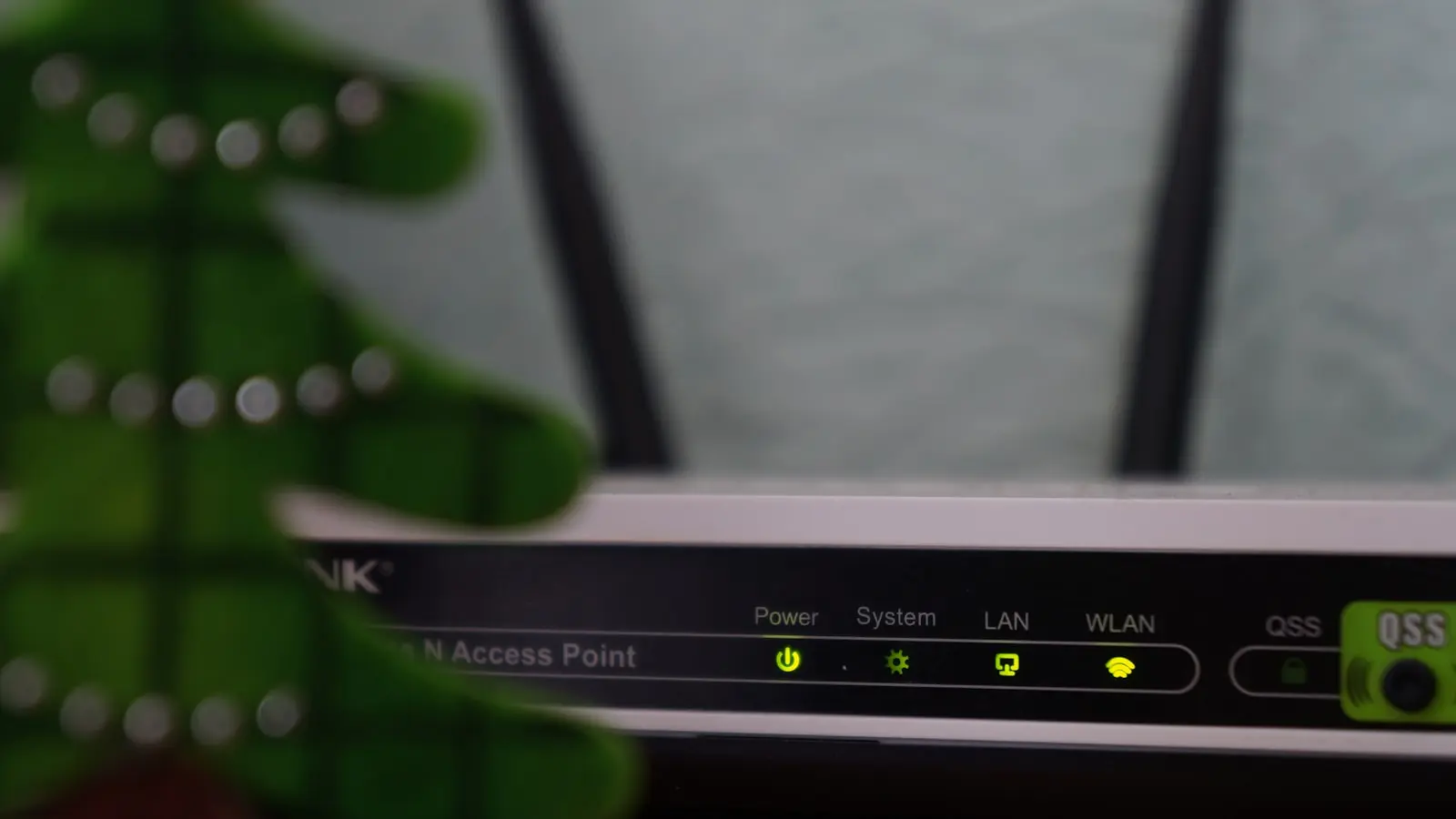

Modern smart homes are increasingly complex ecosystems, yet the underlying network infrastructure often remains trapped in a legacy configuration. When a residential network begins to stutter under the weight of connected sensors and cameras, the culprit is rarely a slow internet plan. Instead, the failure points reside in spectrum congestion and hardware bottlenecks. According to recent data from the IEEE Communications Society, the saturation of the 2.4GHz band is the primary driver of latency in IoT-dense environments. (It is a predictable collision course.)
The Anatomy of Network Congestion
Most IoT devices rely on the 2.4GHz spectrum because of its range and low power consumption. However, this frequency is notoriously crowded. Microwaves, cordless phones, and neighboring Wi-Fi networks all compete for the same airwaves. When the device count exceeds 20, older routers struggle to manage the arbitration of packets. The result is increased retransmissions and jitter. Home users often mistake this packet loss for a service provider issue. In reality, the router is simply drowning in background noise.
The Wi-Fi 6 and 6E Solution
Upgrading to a tri-band Wi-Fi 6 or 6E router provides a structural solution rather than a cosmetic fix. By introducing the 6GHz spectrum, users can offload high-demand traffic—like 4K streaming or cloud computing—away from the cluttered lower frequencies.
| Feature | 2.4GHz Band | 5GHz/6GHz Bands |
|---|---|---|
| Range | High | Medium/Low |
| Interference | Severe | Minimal |
| Throughput | Low | High |
| Ideal Usage | Smart Sensors | Streaming/Gaming |
Separating traffic flows allows the network to prioritize time-sensitive data. Low-power sensors function perfectly on 2.4GHz, while high-bandwidth tasks occupy cleaner channels. This partitioning is essential for stability. (Stop letting your smart light bulb compete with your desktop for bandwidth.)
Firmware Optimization and Protocols
Beyond hardware, software state determines efficiency. Many legacy IoT devices utilize inefficient communication protocols that generate unnecessary handshake overhead. Ensuring that every device runs the latest firmware is not merely a security precaution; it is a performance necessity. Modern updates often include refined packet handling logic that reduces the time a device remains active on the network.
Architectural Best Practices
For users managing a significant number of devices, a flat network architecture is a liability. Implementing a Virtual Local Area Network (VLAN) or a dedicated IoT guest network serves two purposes:
- Traffic Isolation: It prevents broadcast traffic from IoT devices from flooding the primary network segment.
- Security Hardening: It limits the potential blast radius of a compromised device, preventing unauthorized access to sensitive computing resources.
(It is a fundamental security practice that most consumers ignore.)
Future-Proofing the Home Environment
Managing network health is an ongoing maintenance task rather than a one-time setup. As the number of connected sensors continues to rise, physical proximity to the router and signal interference will only grow in complexity. Analysts suggest that for homes nearing 50 or more active devices, a mesh system that supports backhaul optimization is the only viable path forward. The goal is to distribute the workload across multiple access points, preventing the “bottleneck effect” where a single gateway device processes every packet in the house. By shifting from a centralized hub approach to a distributed network, users can maintain performance levels that support both modern automation and high-speed data consumption without the persistent irritation of lag.