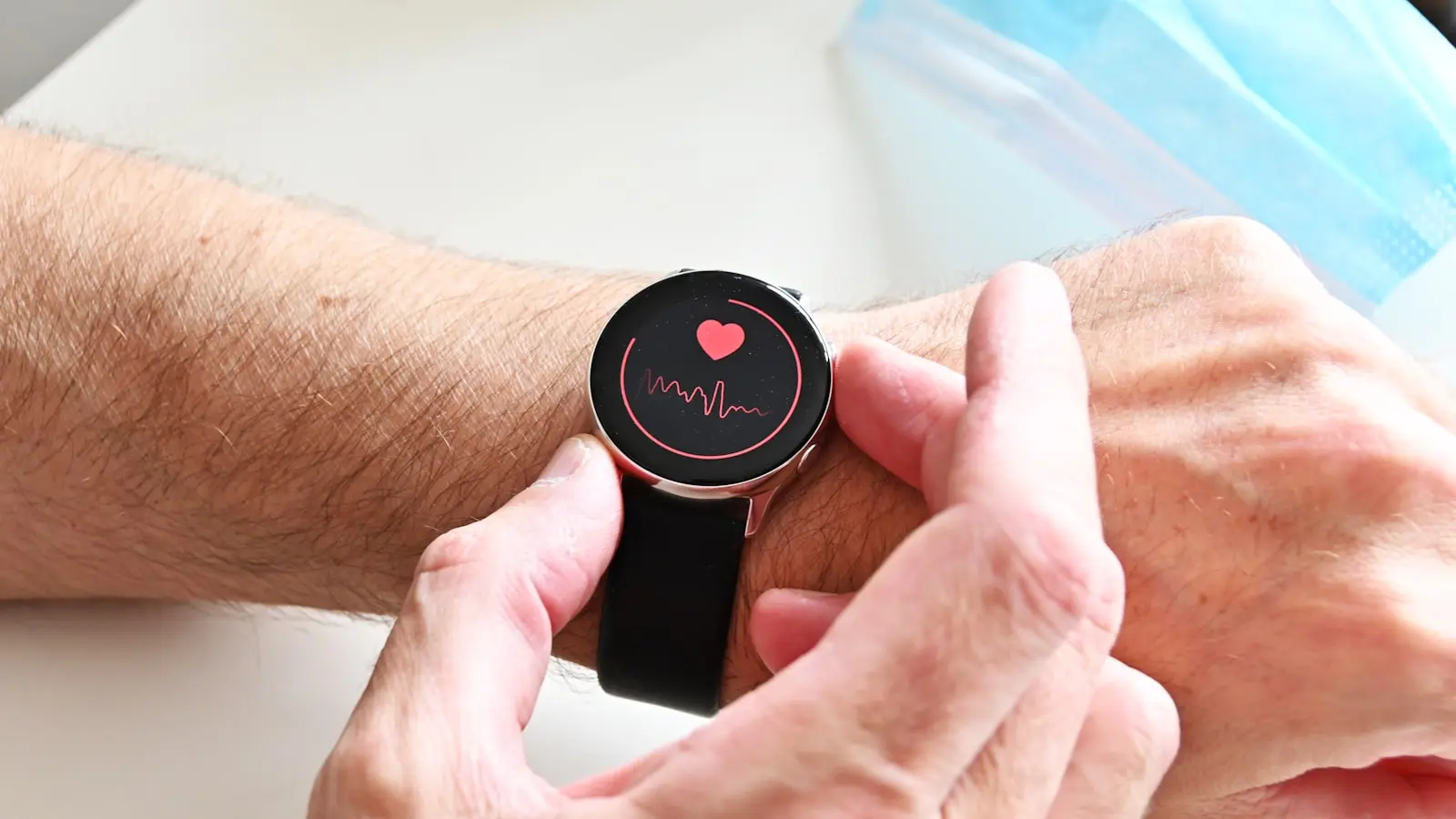

Understanding Cardiovascular Fluctuations
Cardiovascular physiology is a study of constant adjustment. When the body transitions from a sedentary state to light movement—such as walking across a room or performing basic stretches—the heart should ideally respond with a measured, incremental increase in output. However, some individuals experience a disproportionate spike in heart rate that feels disconnected from the physical effort performed. (It is rarely a sign of imminent failure, yet it warrants analysis.) Understanding this response requires separating expected homeostatic adjustments from potential underlying clinical markers.
The Mechanism of Sympathetic Activation
At the core of these heart rate fluctuations is the autonomic nervous system. Specifically, the sympathetic nervous system acts as the body’s rapid-response mechanism. When the body perceives stress, it releases catecholamines—notably epinephrine—to increase cardiac output. This is an evolutionary survival reflex designed for “fight or flight” scenarios.
In modern contexts, the system often misinterprets minor stressors as threats. Factors such as dehydration, high ambient temperatures, or recent caffeine intake can prime the sympathetic nervous system to be hypersensitive. Consequently, even if the physical exertion is minimal, the heart rate may surge to compensate for perceived physiological stress. (The body is simply trying to maintain balance.)
Clinical Markers and Resting Thresholds
For the average healthy adult, a resting heart rate is typically defined within the range of 60 to 100 beats per minute. This interval represents a state of cardiovascular efficiency. However, when an individual notices their heart rate remains consistently above 100 beats per minute during periods of complete rest, clinicians categorize this as tachycardia.
Data shows that persistent tachycardia is a signal, not a diagnosis. To determine the etiology of this elevated rate, medical professionals frequently utilize diagnostic tools such as a Holter monitor. This wearable device records continuous electrocardiogram data over 24 to 48 hours, allowing physicians to correlate heart activity with daily tasks. By tracking these patterns, cardiologists can distinguish between sinus tachycardia (a normal rhythm speeding up) and genuine arrhythmias that require intervention.
Identifying Potential Triggers
Beyond systemic stress, several distinct variables can catalyze an acute heart rate spike during light activity:
- Dehydration: Decreased blood volume forces the heart to beat faster to maintain adequate perfusion.
- Thermal Stress: Exposure to high ambient temperatures requires increased blood flow to the skin for thermoregulation, increasing the workload on the heart.
- Pharmacological Intake: Stimulants like caffeine or certain over-the-counter medications can chemically trigger an elevated heart rate independently of physical movement.
- Thyroid Function: Hyperthyroidism can cause the body to exist in a perpetual state of high metabolism, leading to resting and active heart rates that deviate from the norm.
When to Seek Professional Evaluation
Occasional spikes during low-exertion tasks are often benign, but persistence is a definitive red flag. If an individual observes that their heart rate does not return to baseline within a reasonable timeframe after cessation of movement, or if these spikes are accompanied by dizziness, chest discomfort, or dyspnea, clinical investigation is required.
Cardiologists look for patterns rather than isolated incidents. The goal of any evaluation is to eliminate risks related to structural heart issues, electrolyte imbalances, or endocrine disorders. (Evidence before enthusiasm.) If the heart is a pump, it is one that requires precise conditions to function optimally. By monitoring these fluctuations, individuals can provide their healthcare team with the necessary data to differentiate between a standard physiological adjustment and an issue necessitating medical intervention.