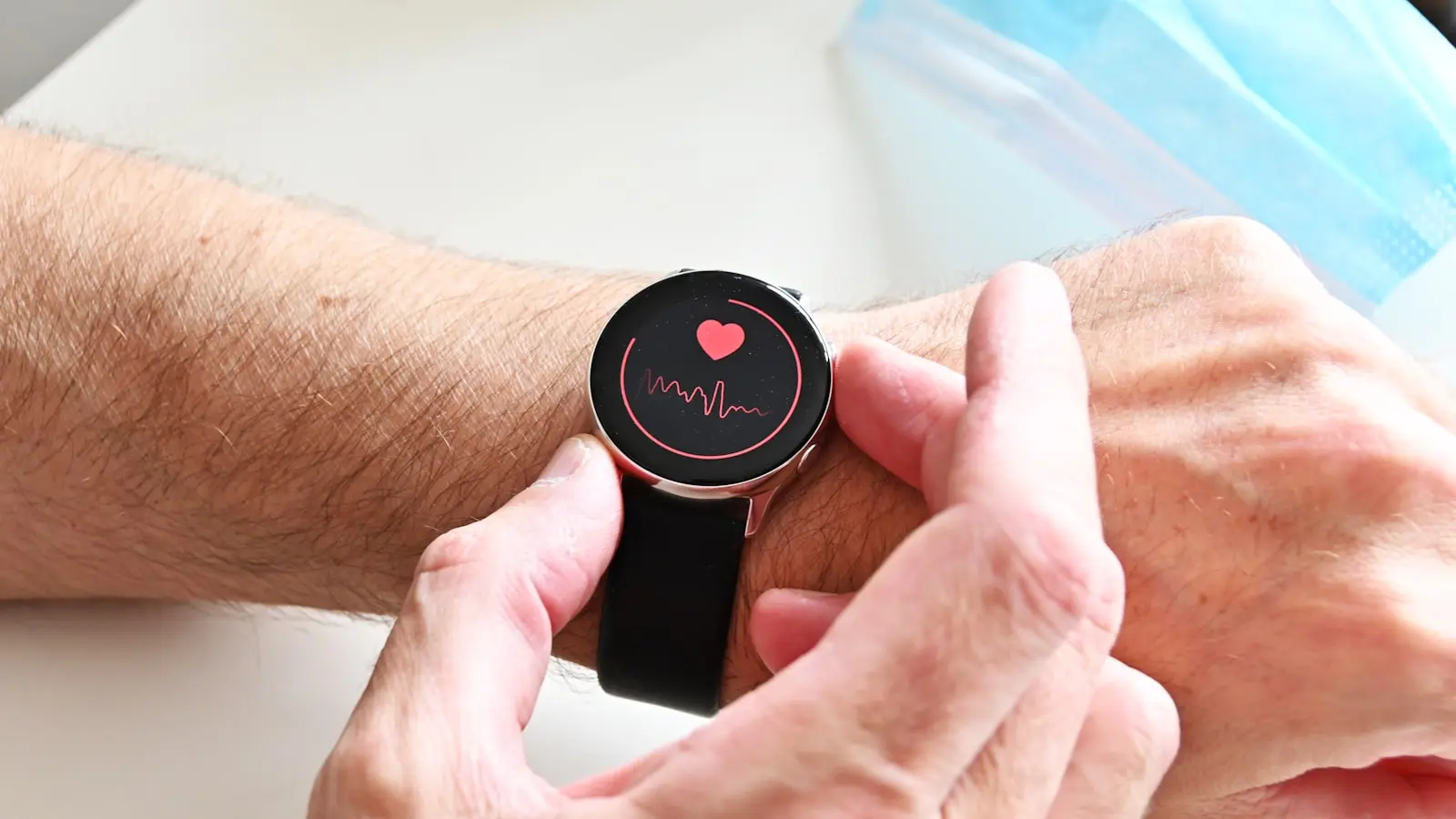

The Shift from Macro to Micro Tracking
The landscape of professional sports performance has fundamentally changed. When coaches and sports scientists analyze the physical output of an athlete, they no longer rely on the antiquated “more is better” training philosophy. Instead, modern performance centers prioritize autonomic nervous system (ANS) health, specifically through the lens of heart rate variability (HRV). While simple resting heart rate provides a static snapshot, HRV maps the nuance of the body’s recovery state. The scoreboard may indicate a win, but the data often whispers a different narrative: impending burnout.
Understanding the Mechanics of HRV
HRV measures the millisecond-level variation between consecutive heartbeats. This is not merely a cardiac metric; it is a direct window into the balance between the sympathetic (fight-or-flight) and parasympathetic (rest-and-digest) branches of the nervous system. A high HRV suggests an athlete is primed for load, while a consistent, downward trend signals that the system is failing to return to equilibrium. It is a biological early warning system. When these numbers drop, the data suggests that physical workload should be reduced immediately to prevent injury or illness. (Is the coaching staff actually listening, though?)
The Fallacy of Generic Benchmarks
Technology has democratized high-level physiological data, yet it has also introduced a significant pitfall: the obsession with peer-comparison charts. Data analysts from the International Journal of Sports Physiology and Performance (2023) emphasize that HRV is inherently individualistic. Comparing a sprinter’s baseline to a marathon runner’s is analytically unsound. The obsession with hitting “ideal” ranges often causes unnecessary anxiety in athletes, which itself induces sympathetic nervous system activation, further suppressing HRV. Long-term trends offer the only signal worth following. Daily fluctuations are merely noise in the signal. (Frankly, a bad night of sleep is just a bad night, not a career crisis.)
Tactical Application for Elite Programs
Professional training protocols now leverage these metrics to perform real-time adjustments to intensity. If the data shows a suppressed HRV for three consecutive days, the training plan is automatically overhauled. High-intensity interval training (HIIT) is swapped for active recovery, mobility work, or deliberate breathwork. This is the difference between a team that sustains performance throughout a long season and one that crumbles under the weight of cumulative fatigue. The objective is to keep the athlete in a state of ‘ready’ rather than ‘rushed’.
The Future of Recovery Analytics
| Metric | Purpose | Actionable Insight |
|---|---|---|
| Resting Heart Rate | Baseline Health | General cardiovascular condition |
| HRV | Nervous System Readiness | Real-time adjustment of training load |
| Sleep Duration | Foundation | Baseline recovery capacity |
Reliable data requires discipline. Tracking is meaningless if the culture remains addicted to intensity. As wearables continue to flood the market, the challenge moves from data acquisition to data literacy. Coaches must recognize that the most sophisticated algorithm is worthless if the human ego prevents an athlete from taking a recovery day. Success in the modern era is defined by the ability to manage the recovery process as precisely as the training sessions themselves. If the metrics indicate a deficit, the human must concede to the machine. That is not weakness; it is efficiency.