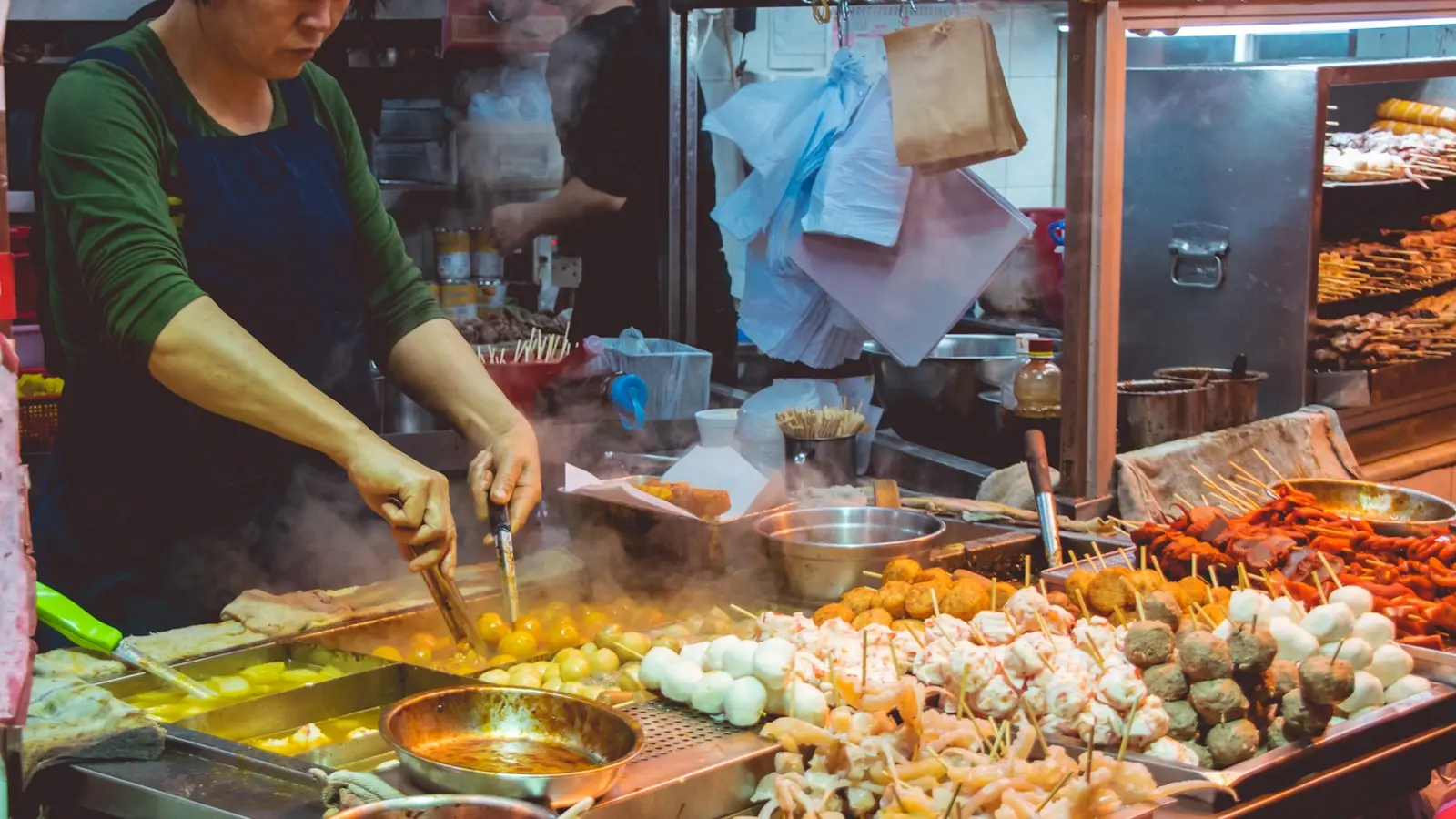
A Reddit thread populated with accounts of bloating, cramping, and urgent dashes to hotel bathrooms paints a vivid picture of the traveler’s experience with Beijing street food. The original poster who found China unenjoyable did not specify food as the culprit, but commenters volunteered stories of diarrhea and abdominal distress after meals from stalls selling jianbing, skewers, and baozi. These are not isolated complaints. Traveler’s diarrhea affects an estimated 30% to 70% of visitors to developing regions, with street food representing a high-risk vector. The question is not whether this phenomenon exists but what mechanisms are at play and how a traveler can separate manageable risk from unavoidable misery.
The Microbiology of Street Food
When a vendor prepares a pork skewer over an open flame in a Beijing night market, the cooking heat can kill most pathogens. The trouble begins afterward. Holding cooked food at ambient temperature for even thirty minutes allows bacterial proliferation. Studies from the World Health Organization identify improper holding temperatures as a leading contributor to foodborne illness in street vending. The predominant pathogens include enterotoxigenic Escherichia coli, Campylobacter jejuni, and Salmonella species. These organisms colonize the small intestine and secrete toxins that trigger fluid secretion and inflammation. (Frankly, the clinical picture is textbook: watery stools, nausea, and low-grade fever within 12 to 72 hours.)
Tap water contamination compounds the risk. Ice cubes, unpeeled fruits washed in tap water, and even lettuce garnishes can introduce the same bacteria. Reddit users advise avoiding tap water entirely, a recommendation consistent with guidelines from the Centers for Disease Control and Prevention. Bottled water for drinking and tooth brushing is non-negotiable.
The Role of Spices and Gut Sensitivity
Spices themselves are not the enemy. Capsaicin in chili, for example, does not cause traveler’s diarrhea. However, unfamiliar combinations of spices and high oil content can irritate a gut unaccustomed to them. The result may be looser stools or discomfort that mimics infection. This is a distinction worth making: true infectious diarrhea requires a pathogen; dyspepsia from spice overload does not. A 2019 meta-analysis in the Journal of Travel Medicine found that dietary indiscretion—defined as eating foods significantly different from one’s usual diet—was associated with a 1.5-fold increase in gastrointestinal symptoms, independent of microbial contamination. The takeaway? Both microbes and menu changes matter.
Evidence-Based Prevention Strategies
Probiotics are a recurring suggestion on Reddit, with users recommending Lactobacillus and Bifidobacterium strains before and during the trip. The evidence supports cautious optimism. A Cochrane review of 12 randomized controlled trials found that probiotics reduced the incidence of traveler’s diarrhea by approximately 24% compared to placebo. This is not a guarantee, but a modest risk reduction. The strains with the strongest data include Saccharomyces boulardii and a mix of Lactobacillus acidophilus and Bifidobacterium bifidum. Timing matters: start at least two days before travel and continue daily throughout the stay. (Is this actually working? For some travelers, yes. For others, the benefit may be too small to detect.)
Freshly cooked items that are steaming hot when served represent the safest choice. The heat must be sufficient to penetrate the food throughout; a lukewarm baozi is not safe. Skewers grilled to order, stir-fried noodles cooked in front of the customer, and soups brought to a rolling boil are low-risk. Avoid pre-prepared salads, sliced fruits, and items that have been sitting under a heat lamp. The rule is simple: if it is not visibly steaming, do not eat it.
Over-the-counter anti-diarrheal medications such as loperamide (Imodium) can provide symptomatic relief but should be used sparingly. Loperamide works by slowing gut motility, which can prolong the retention of pathogens. The Infectious Diseases Society of America recommends loperamide only for mild, non-febrile diarrhea and advises against its use when blood or high fever is present. Bismuth subsalicylate (Pepto-Bismol) offers a safer alternative, with prophylactic studies showing a 40% reduction in traveler’s diarrhea when taken four times daily. (Thankfully, it is widely available in Beijing pharmacies.)
The Reality of Open-Air Cooking
Hygiene standards vary widely across Beijing’s street food stalls. The city’s food safety authorities conduct inspections, but the sheer volume of vendors makes enforcement inconsistent. A 2023 observational study in Food Control journal assessed 150 street food stalls in Beijing and found that 34% had inadequate handwashing facilities, 28% used cutting boards that were not sanitized between raw meat and vegetables, and 12% stored ingredients at unsafe temperatures. These are not alarming numbers relative to similar settings globally, but they create a predictable baseline of risk.
The traveler who wants to eat without disruption must adopt a risk management mindset. Carry hand sanitizer with at least 60% alcohol. Use it before every meal. Watch the vendor: if they handle money and then touch food without washing, consider another stall. Choose stalls with a high turnover of customers—high volume means fresher food. And accept that even the most careful traveler may still experience symptoms. The human gut responds poorly to sudden bacterial loads, regardless of precautions.
Conclusion
Beijing street food offers a vibrant culinary experience, but it carries a legitimate risk of gastrointestinal illness. The evidence points to bacterial contamination, improper holding temperatures, and the traveler’s unaccustomed gut as the primary drivers. Probiotics offer a modest preventive benefit, but the most reliable strategies are thermal: eat only food that is steaming hot, avoid tap water, and exercise informed vendor selection. Reddit users who grit their teeth through a trip without eating street food miss the point; the goal is not abstinence but calculated exposure. With the right precautions, the odds of keeping one’s digestive system quiet improve considerably. The science says so.