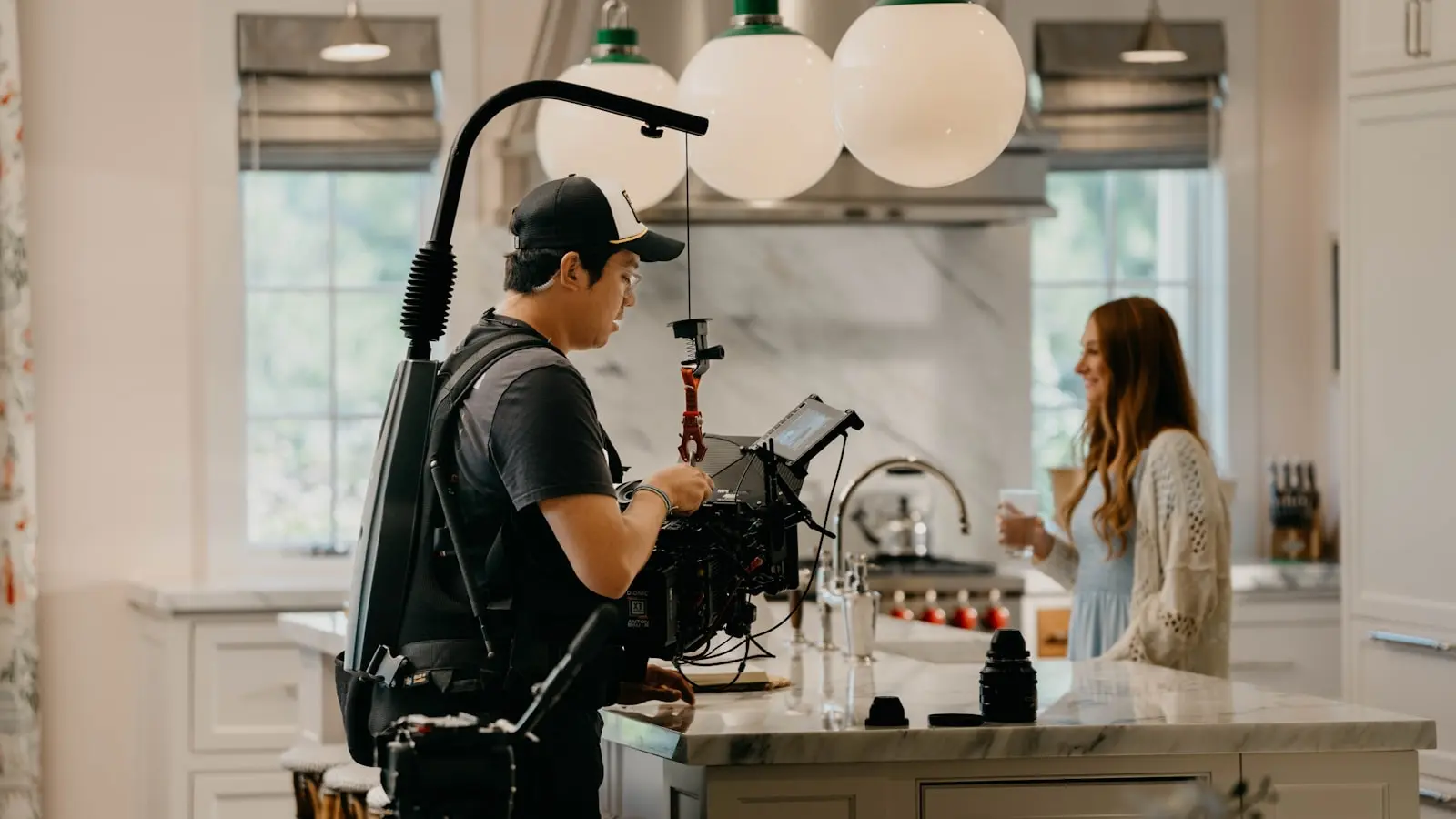

The era of the reliable, annual television cycle is over. Where viewers once expected a new batch of episodes every autumn, modern prestige drama has transitioned into a fragmented release schedule defined by multi-year gaps between seasons. This shift is not merely a scheduling choice but a structural overhaul of how high-budget content is manufactured, refined, and distributed in a 4K-native streaming market.
The Cost of Cinematic Standards
Contemporary production budgets have ballooned to upwards of $20 million per episode. When a studio commits this level of capital, the requirement for visual fidelity shifts from broadcast-grade television to theatrical-grade cinema. Modern series now demand exhaustive pre-production planning, complex on-location shooting, and high-intensity post-production phases (many of which involve heavy integration of CGI and visual effects) that were previously reserved for summer blockbusters. (Can a network realistically rush these render pipelines?) The industry has effectively prioritized a quality-over-quantity model, where the technical benchmark for a series is set by its production value rather than its frequency of release.
Technical Bottlenecks and Workflow Complexity
Beyond the budget, the transition to 4K resolution and high dynamic range (HDR) workflows has fundamentally altered the post-production timeline. Each frame of a modern prestige show requires rigorous color grading, digital cleanup, and sophisticated sound design. These processes are time-consuming and labor-intensive, creating a bottleneck that did not exist when television was captured for 720p or 1080i broadcast signals.
Furthermore, the “talent crunch” has intensified. As A-list actors, directors, and cinematographers increasingly navigate cross-platform commitments and overlapping shooting schedules, the physical assembly of a production crew has become a logistical puzzle. If a lead actor is locked into a separate film franchise, the entire series production effectively pauses. (Efficiency is rarely the priority when talent is this expensive.)
Subscriber Retention vs. Traditional Syndication
Historically, shows were designed for annual syndication to maintain audience habits. Today, streamers like Netflix and Apple TV+ operate on different metrics: subscriber retention and global library value. A high-budget show that sustains prestige status for years is more valuable for global long-tail engagement than a low-cost show that airs every twelve months but loses cultural relevance quickly.
Analysts argue this strategy shifts the burden of proof to the content itself. By spacing out seasons, studios create artificial scarcity, theoretically maintaining the “event” status of a show and justifying high subscription costs. However, this creates a friction point with the viewer. When audience retention is the primary KPI (Key Performance Indicator), the desire to keep a show in the cultural conversation conflicts with the physical limitations of modern production.
Summary of Industry Shifts
| Factor | Legacy TV Model | Modern Streaming Model |
|---|---|---|
| Production Budget | Low-to-Mid | High ($20M+ per ep) |
| Visual Standard | Broadcast Quality | Cinematic/4K HDR |
| Release Cadence | Annual | 18 to 24 Months |
| Revenue Driver | Ad Revenue | Subscriber Retention |
Ultimately, the “two-year wait” is the price of admission for a technical standard that has reached an all-time high. While the viewer experience is impacted by these delays, the industry seems to have decided that a slower, more polished product is the only way to justify the massive capital expenditure required to compete in an saturated streaming market. (Whether that keeps viewers around remains the ultimate question.)