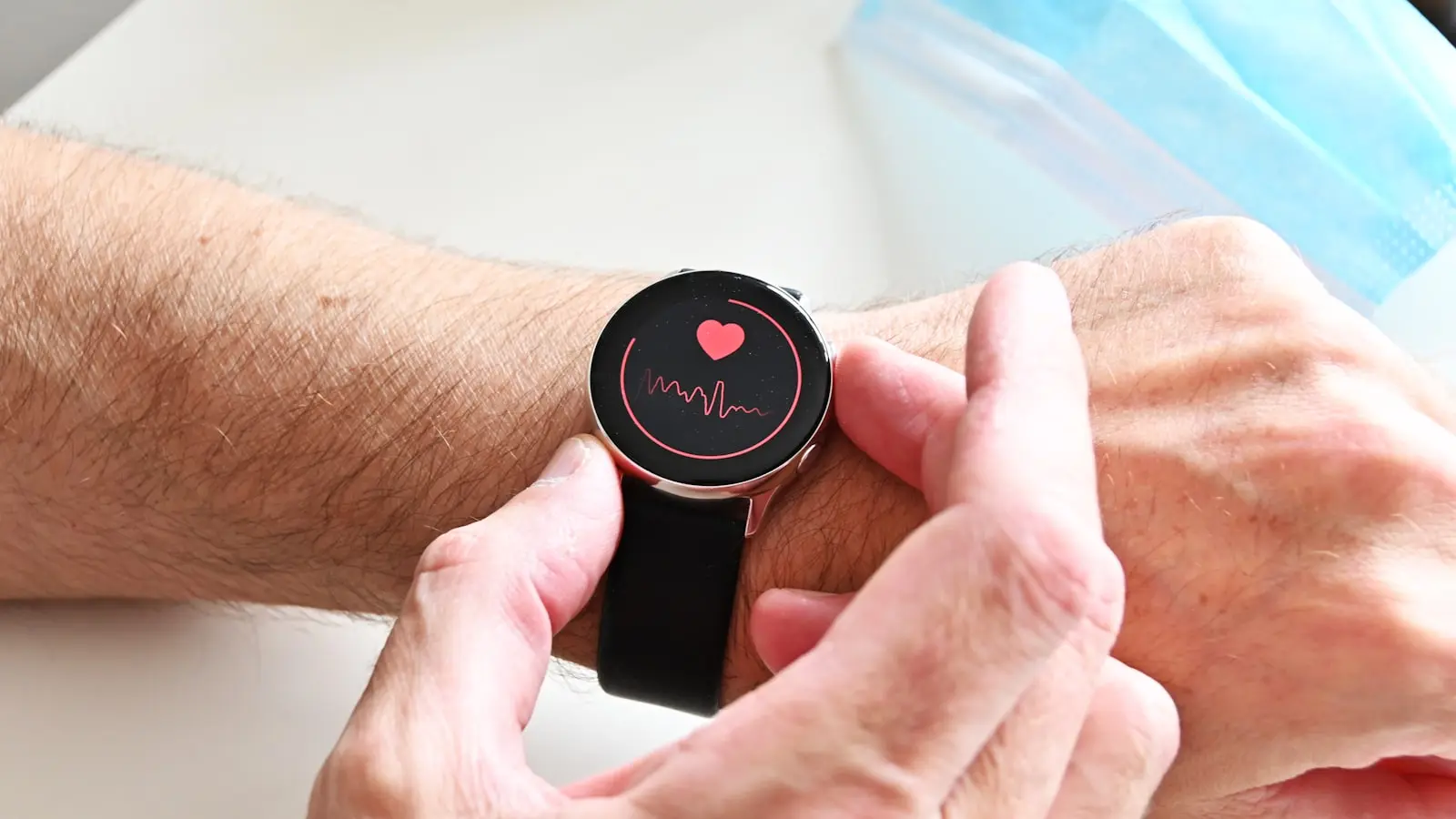

Understanding Heart Rate Spikes During Low Intensity Movement
When the human body functions optimally, the heart rate scales linearly with physical exertion. This physiological predictability allows for reliable metrics in fitness and clinical monitoring. However, data from the American Heart Association and ongoing 2024 clinical studies suggest a common disconnect: sudden, disproportionate heart rate spikes during light physical activity. While many individuals focus exclusively on peak heart rate during intense exercise, research indicates that the sensitivity of resting and low-activity heart rate trends serves as a more accurate barometer for autonomic nervous system (ANS) health.
The Mechanism Behind Disproportionate Exertion
Under normal conditions, the cardiovascular system manages low-intensity tasks—such as walking or light housework—without significant strain on the cardiac output. A spike occurring in these contexts suggests a failure in the body’s compensatory mechanisms. Dr. Elena Rodriguez, lead investigator in recent cardiovascular assessments, notes that even a 10-15% variance from predicted heart rate zones during minimal physical demand is statistically significant. When these deviations persist over several months, they may correlate with heightened long-term cardiovascular risks.
Potential Drivers of Autonomic Dysregulation
Identifying the trigger for these spikes requires a shift away from exercise-focused narratives toward systemic health indicators. The most common contributors include:
- Autonomic Nervous System Dysregulation: The body’s inability to appropriately balance sympathetic (fight-or-flight) and parasympathetic (rest-and-digest) activity.
- Chronic Dehydration: Reduced blood volume forces the heart to beat faster to maintain systemic perfusion.
- Sleep Deprivation: Lack of restorative rest impairs autonomic recovery, leaving the heart more reactive to minor stressors.
- Excessive Stimulant Intake: High caffeine consumption can artificially elevate baseline heart rate, exacerbating the jump during movement.
(Is it possible these factors are being underestimated?) The nuance lies in the persistence of the pattern rather than the occurrence of a single anomaly.
Differentiating Deconditioning from Clinical Pathology
While public discourse often labels these symptoms as mere “deconditioning,” clinical cardiologists urge a more cautious interpretation. Deconditioning implies a lack of fitness that can be corrected through progressive training; however, when the heart rate response is erratic rather than just elevated, the pathology may be deeper than muscular weakness. If the heart cannot regulate its pace effectively during routine tasks, the nervous system is likely struggling to manage homeostasis.
Evidence Based Next Steps
For those observing consistent spikes, the diagnostic standard remains precise. Clinical professionals typically recommend the following hierarchy of assessment:
- Longitudinal Tracking: Monitor heart rate variability (HRV) and activity logs for a minimum of 30 days to identify patterns rather than outliers.
- Hydration and Lifestyle Audit: Stabilize sleep cycles and fluid intake to eliminate exogenous stressors.
- Clinical Evaluation: Should the pattern persist, a physician may order a Holter monitor test. This provides a continuous electrocardiogram (ECG) recording over 24 to 48 hours, capturing heart activity during normal daily life that a brief clinical check-up would miss.
(Thankfully, non-invasive technology makes this monitoring straightforward.)
The Importance of Monitoring Subtle Signals
Health literacy involves recognizing that the body provides early warning signs long before an acute event occurs. Focusing on heart rate efficiency during light tasks is not an exercise in health anxiety, but a strategic approach to long-term cardiovascular maintenance. Data consistently shows that the heart is a responsive organ, and its failure to remain consistent during low-level exertion is a signal that should be acknowledged by a clinician. Ignoring these fluctuations, particularly when they become a reliable feature of daily life, neglects the preventive data available to modern patients.