
The Biological Deficit
The 2023 Qatar Grand Prix exposed a mathematical impossibility embedded within modern motorsport. Cockpit temperatures spiked past 120 degrees Fahrenheit. Drivers exited their chassis requiring immediate medical intervention. Some vomited inside their helmets. Others staggered toward the medical car exhibiting advanced indicators of heatstroke. The broadcast narrative labeled these drivers as gladiators enduring hellish conditions. The data tells a different story. The current Formula 1 hydration infrastructure operates on a fundamental physiological deficit. Biological limits collided with aerodynamic priorities. The human body lost.
The equation governing fluid dynamics inside the cockpit guarantees failure. Under extreme thermal stress in climates like Singapore or Qatar, an athlete loses between three and four liters of fluid through sweat over a two-hour race. The onboard hydration system carries a maximum capacity of 1.5 liters. Even if a driver consumes every drop available, they terminate the race operating at a severe hydration deficit. Blood plasma volume drops. Heart rates spike to compensate for the lack of fluid. Cognitive processing degrades. The math cannot be outdriven.
The Hardware Limitation
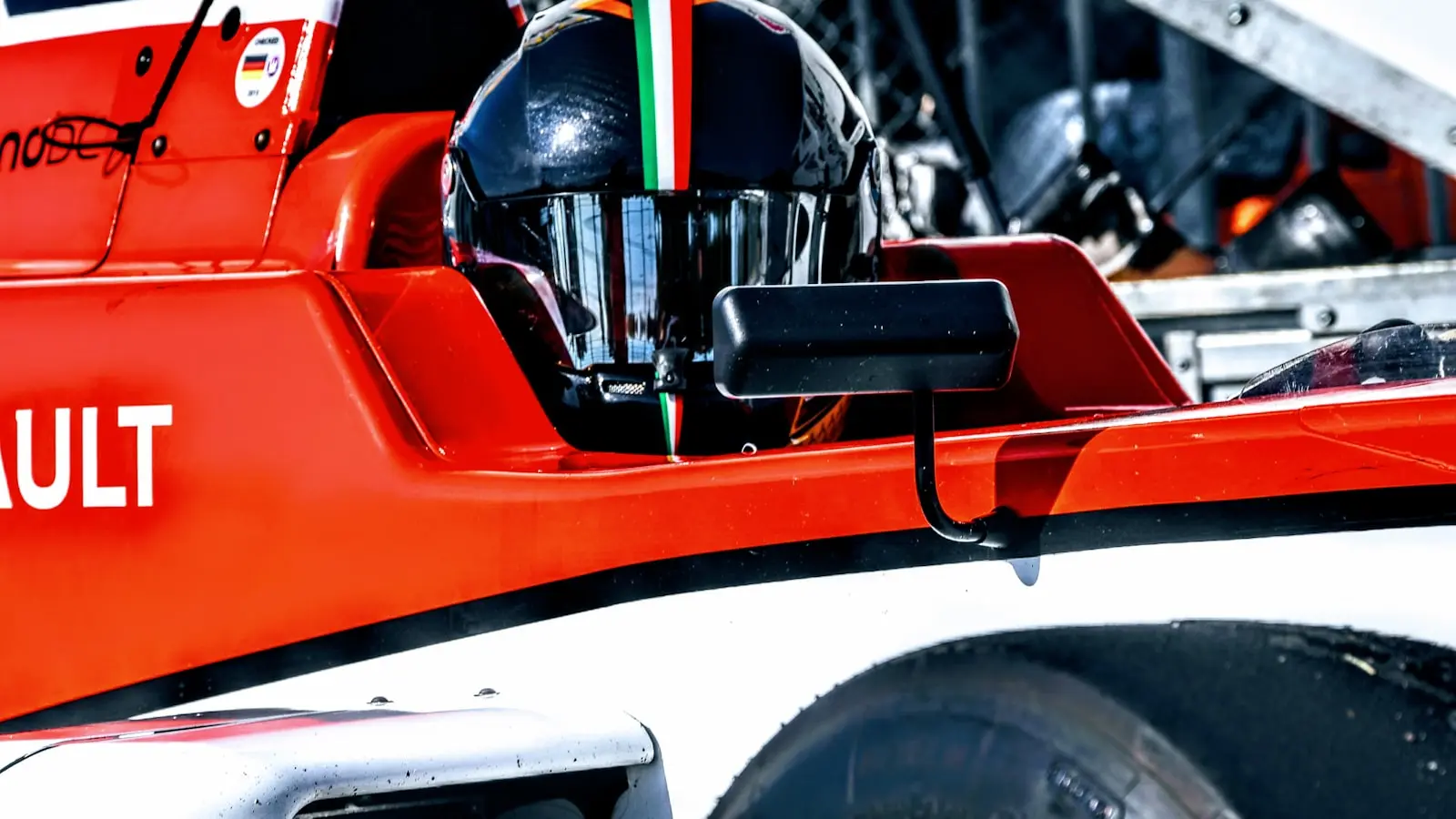
Examine the internal architecture of the cockpit. The delivery mechanism consists of a specialized medical-grade fluid bag packed into a confined carbon-fiber void. A motorized pump pushes liquid through a narrow polyurethane tube integrated directly into the crash helmet. The driver activates a steering wheel button to trigger the flow. (The interface relies on muscle memory when vision blurs).
This infrastructure sounds highly technical. In reality, the liquid rests inches away from energy recovery systems operating at hundreds of degrees. By lap twenty, drivers are not drinking a refreshing electrolyte mix. They are swallowing a 100-degree, highly concentrated saline solution. Former drivers routinely describe the urge to gag when forcing the liquid down. It is fuel for a failing biological engine.
When mechanics assemble the chassis in the garage, the fluid bag gets tucked into whatever spatial footprint remains after the electronics and hydraulic lines claim their territory. Heat soak is immediate. The survival cell wraps the driver in a thermos. Carbon fiber retains thermal energy. The hybrid power unit mounted millimeters behind the driver generates immense thermal output. Heat transfers continuously through the bulkhead. The body cooks.
Cardiovascular Demand and G-Force Strain
Casual observation masks the internal strain. Navigating a modern Formula 1 circuit involves sustaining heart rates comparable to Olympic marathon runners. Telemetry routinely captures sustained rates ranging from 170 to 190 beats per minute. Add multi-directional G-forces peaking at 5G under heavy braking zones. Blood pools in the extremities. Core temperatures rise steadily.
When the body loses fluid without adequate replacement, the blood thickens. The heart works harder to pump viscous blood to oxygen-starved muscles. The driver sits trapped inside fire-retardant Nomex underwear, a multi-layer race suit, and a tightly sealed helmet. High humidity environments prevent sweat evaporation. The body’s primary cooling mechanism stalls completely.
| Metric | Baseline Capacity | Extreme Race Condition | Deficit |
|---|---|---|---|
| Fluid Output (Sweat) | 0 Liters | 3.5 Liters | - |
| Fluid Intake (Bag) | 1.5 Liters | 1.5 Liters | - |
| Net Hydration | 0 Liters | - | -2.0 Liters |
| Core Temperature | 37.0°C | 39.5°C | +2.5°C |
Tactical Degradation
What happens when the brain dehydrates at 200 miles per hour? Dehydration of just two percent of body weight triggers measurable cognitive decline. Formula 1 drivers routinely lose up to five percent of their total body weight during humid, high-stress races.
Precision falters immediately.
- Braking Phase: A driver misses a braking marker by half a meter. Lock-ups occur.
- Steering Input: Micro-corrections become sluggish. The car deviates from the optimal racing line.
- Tire Management: Preservation strategies fail because the driver lacks the mental bandwidth to calculate subtle slip angles.
- Reaction Time: Millisecond delays in throttle application cost crucial exit speed.
The stopwatch catches everything. A dehydrated driver bleeds tenths of a second per lap. Over a 50-lap stint, that deficit cascades into lost track position. Engineering teams track these micro-errors on the pit wall, watching lap times drift upward as core temperatures breach safe thresholds.
The Engineering Weight Penalty
Overhauling the architecture requires moving beyond passive fluid bags. Why do teams not install larger tanks or active cooling systems? The answer lies in mass allocation. Every gram on a Formula 1 car requires justification. Engineers prioritize downforce and weight distribution above all else. Adding an active cooling unit or doubling the fluid capacity introduces a direct weight penalty.
Teams refuse to sacrifice lap time for driver comfort. Therefore, thermal management remains strictly passive. Performance engineers view human limits as a variable to be managed, not a structural flaw to be engineered out of existence.
Liquid-cooled undergarments, similar to those utilized by aerospace pilots or endurance racing drivers, require chilling units. A chilling unit demands electrical power and adds mass. Formula 1 engineering operates within rigid cost caps and minimum weight regulations. Proposing a five-kilogram driver cooling system faces immediate vetoes in the design office. (Aerodynamics will always win the budget argument). The governing body dictates car construction down to the millimeter, yet driver thermal protection relies on rudimentary carbon scoops that merely funnel ambient, blistering wind into the cockpit. A 120-degree breeze cools nothing.
Regulatory Lag and Corporate PR
The fallout from the Lusail International Circuit forced a delayed reckoning within the sport. Track limits and tire degradation dominated the pre-race corporate analysis. Nobody accounted for the wet-bulb temperature. When drivers began collapsing, the public relations machinery attempted to frame the event as a testament to driver resilience.
Resilience is PR speak for operating in a state of catastrophic thermal degradation.
The FIA faces a structural conflict. They must balance enforcing driver safety against the aerodynamic efficiency of the ground-effect era. Subreddits and technical forums actively debate mandating better cooling systems, highlighting that current hydration methods are fundamentally insufficient. Proposals now include mandatory passive cooling scoops designed exclusively for the driver, explicitly decoupled from aerodynamic development. If the ambient temperature crosses a specific statistical threshold, the car must run a mandated cooling configuration.
Until these regulations materialize and undergo rigorous track testing, the thermal dynamic remains unchanged. The scoreboard captures the finishing order. The telemetry logs the deceleration rates. Neither fully quantifies the biological tax exacted inside the cockpit. The machine is optimized to the absolute limit of physics. The human operator is treated as a secondary component, expected to override physiological collapse through sheer willpower.
Willpower does not lower core body temperature. Engineering does.