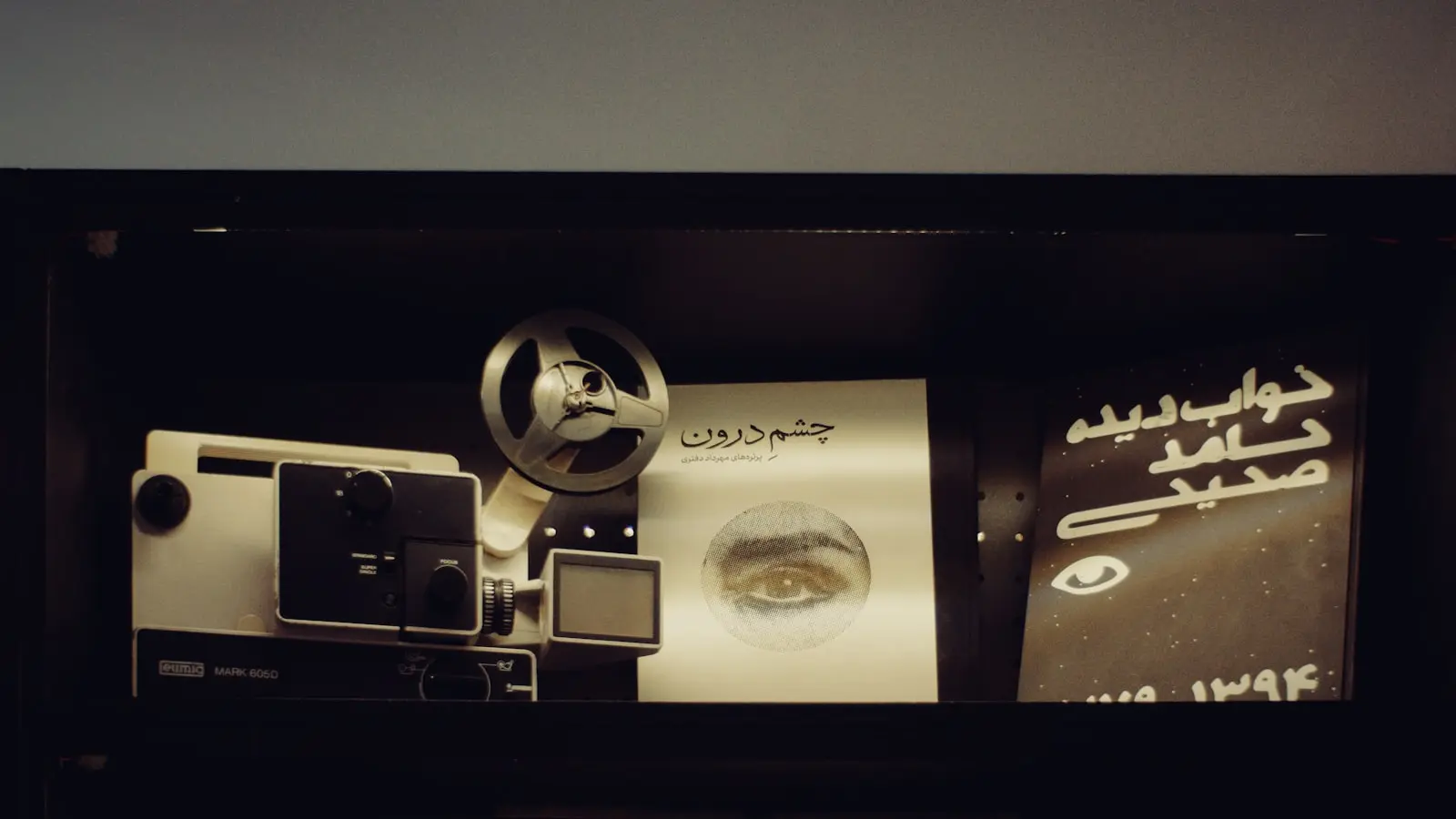

The transition from a box office failure to a cultural pillar remains one of the most enigmatic phenomena in cinema history. While major studios bank on massive opening weekends, the life cycle of a cult classic follows a divergent path defined by slow-burn accumulation rather than immediate consumption. (Is the initial flop actually a prerequisite?) Analysts tracking industry trends throughout 2024 have identified a pattern where films that struggle to find an audience upon release often possess the exact structural quirks required for long-term survival.
Financial performance at launch rarely correlates with a project’s lasting legacy. Data suggests that the true architects of cult status are not marketers, but the audience members who refuse to let a narrative die. These films typically lack the polish of blockbuster tentpoles, opting instead for distinct visual aesthetics or complex thematic architectures that reward the obsessive viewer. When a film offers new layers of meaning upon the fifth or tenth viewing, it moves from mere entertainment to an object of study.
The Architecture of Enduring Influence
Historical context illustrates that the most resilient cult films defy standard genre categorization. Projects that blur lines between horror, sci-fi, and philosophical treatise create a unique niche where specialized audiences can cultivate their own intellectual property. This process requires more than nostalgia. It demands a text that remains relevant as society shifts. If a script addresses questions about human identity, technological morality, or social alienation, it will naturally resurface during moments of wider cultural instability.
Consider the trajectory of films like Katsuhiro Otomo’s Akira. Its movement from a 1980s niche animated export to a global standard of cinematic excellence was not accidental. It was a product of digital restoration and the relentless circulation of its imagery across early internet forums and modern social media platforms. The film’s aesthetic weight—those iconic, neon-soaked frames of neo-Tokyo—acted as a visual shorthand for urban decay and systemic collapse that resonated with new demographics decades after its premiere.
Digital Democratization and the New Critic
The traditional gatekeepers of cinema have lost their monopoly on canonization. In the past, a film’s second life depended on local repertory cinemas or the slow migration of VHS tapes through rental shelves. Today, the democratization of film criticism online has shifted this dynamic entirely. Social media discourse acts as a constant engine of rediscovery, where legacy titles are dissected, memed, and cited by digital-first generations who never had the opportunity to see them in a physical theater.
This shift brings several implications for industry economics:
- Cost Efficiency: Distributing a digitally restored legacy film often generates higher profit margins than marketing an original, mid-budget production.
- Audience Retention: Cult titles provide a consistent stream of content for streaming platforms, serving as anchor points for niche catalogs.
- Cultural Synthesis: Online discussion threads function as modern archives, keeping the conversation around a film active and evolving in real-time.
(Frankly, the algorithm loves a good niche.) When platforms leverage this established devotion, they do not just broadcast a movie; they participate in a ritual of re-introduction. The physical reality of these screenings—digital restorations flickering in high-definition—often serves as a catalyst for a new wave of academic and cultural analysis, effectively resetting the film’s clock.
The Longevity Paradox
Why do some films vanish while others cement themselves as essential viewing? The answer lies in the text’s ability to withstand deconstruction. Cult classics act as mirrors, reflecting the anxieties of whatever generation is currently watching them. This requires a specific kind of narrative density that modern, high-gloss production styles often lack. (Too much polish hides the cracks where the light gets in.)
As the industry moves toward a future saturated with AI-generated content and hyper-commoditized blockbusters, the value of the cult classic becomes clearer. Audiences are hungry for human-led, idiosyncratic storytelling that feels messy, personal, and profoundly intentional. Whether through a grainy 35mm projection or a 4K remaster on a home projector, the films that survive are those that demand to be found. They are not waiting to be forgotten; they are waiting for the audience to catch up.