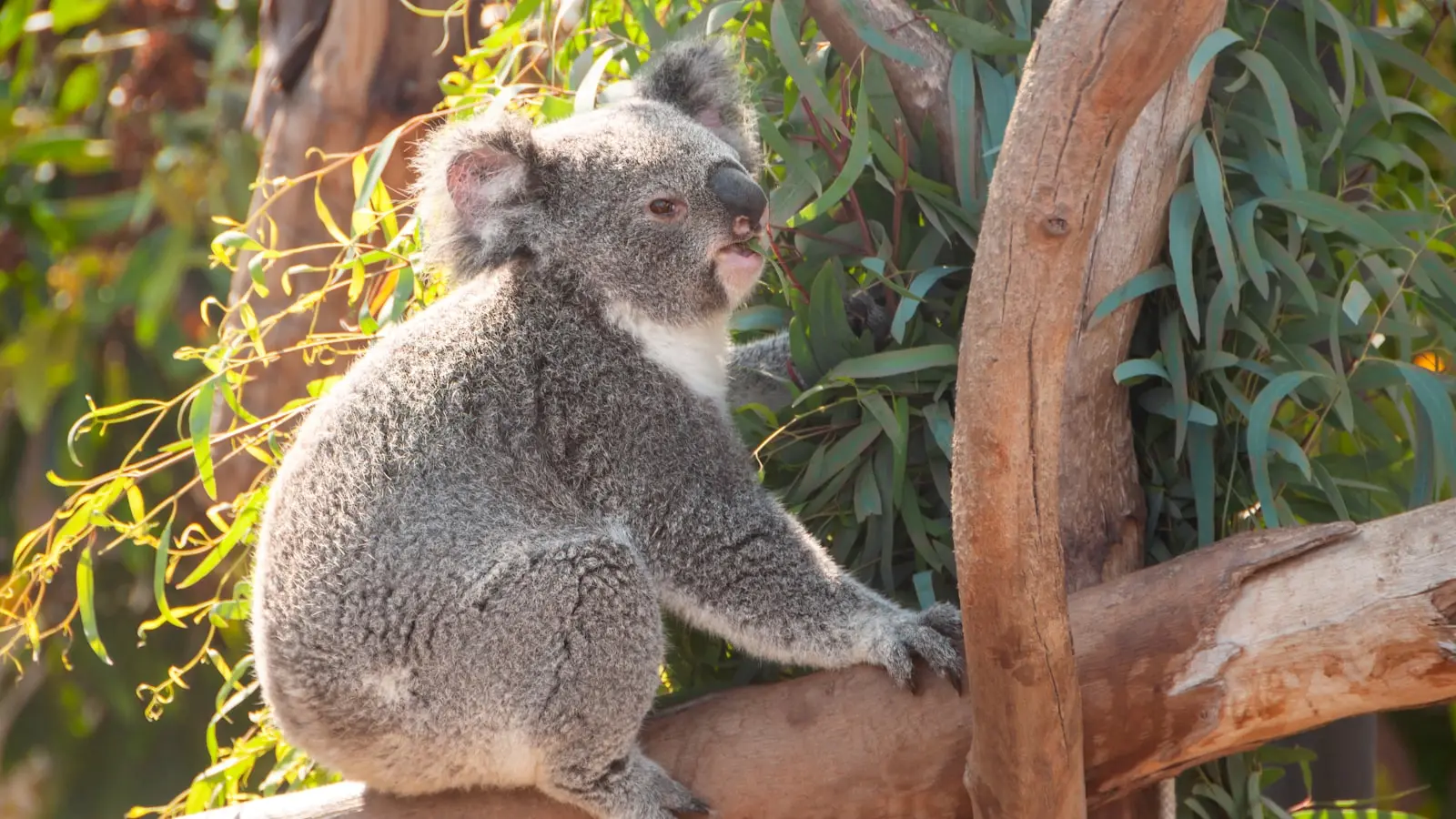

The Crucible of Isolation
For more than 50 million years, Australia has functioned as the planet’s most expansive, isolated laboratory. When the continent broke away from the ancient supercontinent Gondwana, it became a biological lifeboat drifting across the Southern Hemisphere. While the rest of the world witnessed the rapid dominance of placental mammals, Australia traveled a divergent path. This separation was not merely a physical detachment; it was a profound evolutionary divergence that forced the continent’s life forms to engineer solutions to environmental challenges without the competitive pressures found on larger, connected landmasses.
The Marsupial Adaptation
In the absence of placental counterparts, marsupials filled every available ecological niche. In any other ecosystem, one might expect to see wolves or cats hunting prey, but in the Australian scrub, those roles were filled by the thylacine and the quoll. This phenomenon is known as convergent evolution, where distinct species develop similar biological traits to solve identical problems, yet the genetic blueprints remain starkly different. The quokka, for instance, has developed a metabolic efficiency that allows it to persist in landscapes where fresh water is virtually nonexistent. It is a masterclass in survival, operating on a biological architecture that is millions of years removed from modern mammalian norms.
Living Fossils and Genetic Anomalies
Perhaps the most striking evidence of this evolutionary independence is the platypus. By retaining reptilian features like egg-laying while simultaneously nursing its young with milk, the platypus serves as a living bridge between evolutionary epochs. (How it has managed to stay relevant in a changing world is a question that continues to baffle researchers.) These anomalies aren’t just biological curiosities; they are foundational evidence of how evolution works when it is left undisturbed by external migratory pressures. Australia effectively paused certain evolutionary clocks, allowing ancient lineages to flourish while the rest of the world moved toward more standardized biological forms.
Vulnerability of the Island Continent
This evolutionary success story comes with a significant liability: extreme specialization. Because these species evolved in relative isolation, they never faced the fierce, fast-evolving pathogens or aggressive competitors common in Eurasia or the Americas. Biologists, including Dr. Timothy Hall, point out that this sheltered history is exactly what makes the current era so dangerous. When non-native species such as feral cats, rabbits, or buffel grass are introduced, they tear through the native ecosystem with ease. (The damage is often irreparable.)
Climate Pressure and Biodiversity Preservation
Modern research is no longer just documenting these species; it is measuring how quickly they can adapt to a rapidly shifting climate. The stability that once allowed for such specialized growth is now vanishing. With heat waves increasing in duration and drought cycles shortening, the very traits that made these animals successful in the past are now creating a survival bottleneck.
Key Evolutionary Drivers in Australia
| Driver | Impact on Species | Example |
|---|---|---|
| Geographic Isolation | Minimal competition from placental mammals | Marsupial radiation |
| Aridification | Development of water-saving physiology | Quokka |
| Evolutionary Stasis | Retention of ancestral features | Platypus |
The Stakes for Global Ecology
Australia holds a disproportionate share of the world’s endemic species. The loss of these animals would not just be a local tragedy; it would represent a catastrophic erasure of unique genetic code. Conservation strategies today must prioritize the maintenance of these isolated environments, treating them as biological museums that are currently under siege. The lesson from 50 million years of history is clear: isolation fosters innovation, but it also creates a fragility that requires aggressive, intelligent intervention to protect. Whether these species can evolve fast enough to handle the current anthropogenic pressures remains the central question of modern Australian ecology. History suggests they have the tools to survive, provided they are given the space to do so.