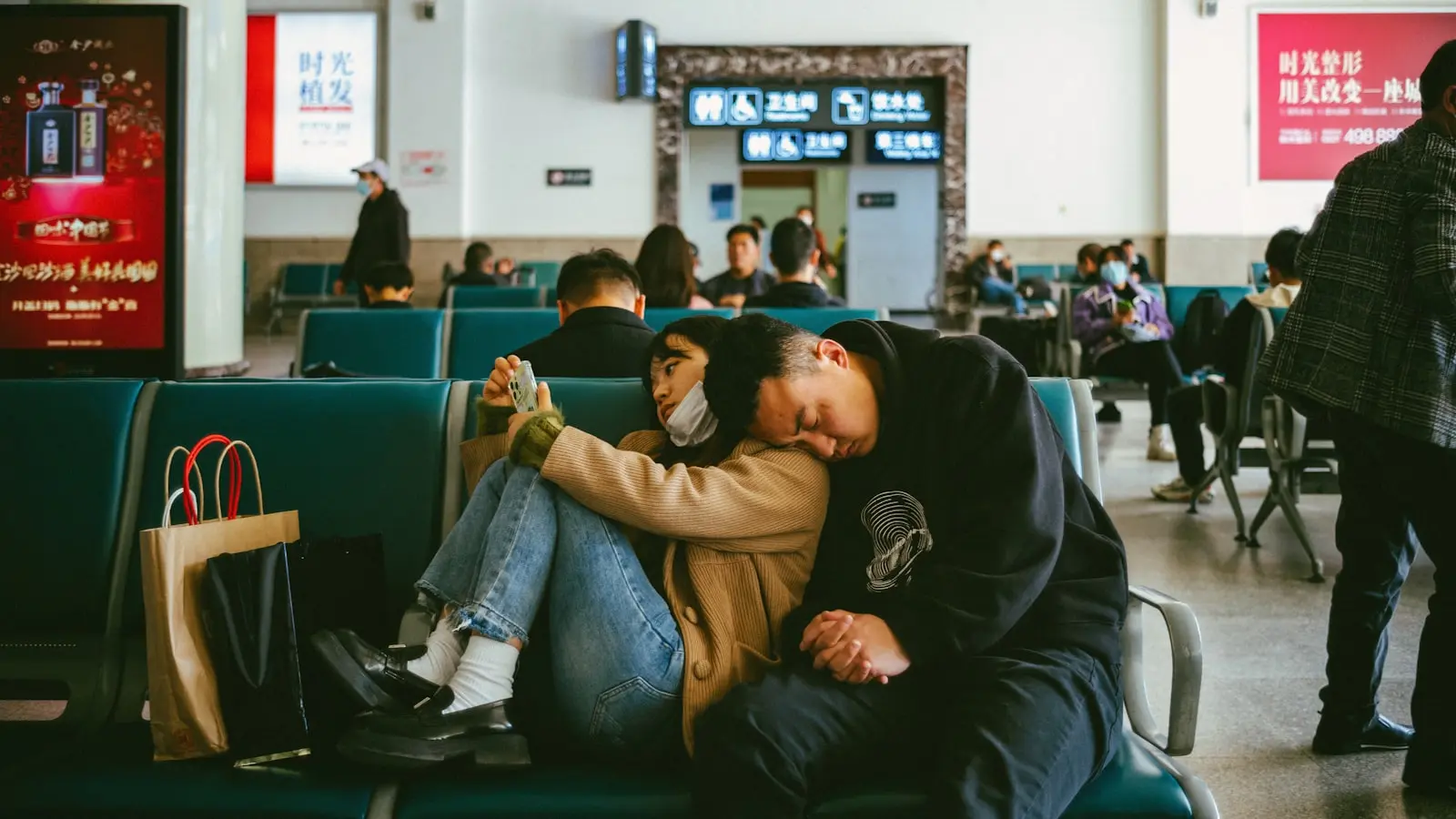
Travelers step off a plane expecting to feel rejuvenated but instead hit a physiological wall characterized by headaches, extreme lethargy, and mild depressive symptoms. Clinical researchers define this phenomenon as travel fatigue, though literature increasingly references it alongside the concept of “leisure sickness.” The human body does not seamlessly transition from high-stimulus environments back to baseline domestic routines. It crashes.
During a typical action-packed itinerary, the central nervous system operates under sustained strain. The body pumps adrenaline and cortisol to manage the continuous stimuli of navigating foreign transit systems, translating unfamiliar languages, and walking thousands of extra steps across uneven terrain. Most tourists treat vacations like endurance sports, pushing biological limits to maximize a narrow window of time away from the office. When the trip abruptly ends, this neurochemical scaffolding collapses. The sudden withdrawal of stress hormones leaves the immune system temporarily vulnerable and the physical body entirely depleted.
Consider the physical reality of the modern traveler. They drag fifty-pound suitcases across rigid terminal floors under artificial lighting, surviving on processed airport food and fragmented rest in narrow economy seats. They return to a silent house, drop the luggage in the hallway, and immediately face the reality of a Monday morning alarm clock. The biological cost demands immediate payment.
The Architecture of Leisure Sickness
Studies published in the Journal of Travel Medicine indicate that short, highly scheduled vacations frequently trigger physical illness upon return. The pathology behind this is rooted in the autonomic nervous system.
When a person travels, the sympathetic nervous system dominates. This “fight or flight” network keeps the traveler alert, functional, and capable of managing logistical stress. It suppresses minor aches, delays the onset of fatigue, and masks the initial stages of viral infections. Upon returning home, the environment signals safety. The parasympathetic nervous system engages to facilitate rest and digestion. Blood vessels dilate. Heart rates slow. (This explains the inevitable Tuesday migraine).
The sudden drop in glucocorticoids—steroid hormones that suppress inflammation—allows localized inflammation to spike. Symptoms that the body successfully ignored while rushing to catch a train suddenly manifest. Travelers interpret this as catching a bug on the airplane, but frequently, the pathogen entered the system days earlier. The immune system simply waited until the crisis of travel concluded to mount a full inflammatory response.
Endocrine Strain and the Overbooked Itinerary
The modern compulsion to maximize short trips drives travelers to schedule every waking hour. They attempt to compress two weeks of cultural exposure into a four-day weekend, walking up to ten miles a day while increasing their intake of rich foods and alcohol. The metabolic demand rivals manual labor.
This behavior places immense pressure on the hypothalamic-pituitary-adrenal axis. The body must constantly synthesize energy to meet the demands of the itinerary. Cortisol levels remain elevated long after the sun sets, driven by late dinners and continuous novel stimuli. You cannot cheat biological limits. The energy expended during these trips requires an equal and opposite period of recovery. Without it, the endocrine system struggles to recalibrate. The lethargy experienced upon returning is not merely psychological disappointment about the end of a holiday. It is a state of acute cellular exhaustion.
Circadian Fracture and Sleep Disintegration
Sleep hygiene rarely survives a vacation. Time zone shifts decouple the suprachiasmatic nucleus—the brain’s master clock—from environmental light cues. Melatonin secretion becomes erratic.
Even without crossing time zones, sleep architecture fractures. Travelers consume higher volumes of alcohol, which acts as a central nervous system depressant. While alcohol may hasten the onset of sleep, it severely disrupts the latter half of the sleep cycle. It suppresses rapid eye movement sleep and fragments deep, restorative slow-wave sleep. Consequently, the brain fails to perform critical maintenance functions, such as clearing metabolic waste through the glymphatic system.
Furthermore, sleeping in unfamiliar beds triggers the “first-night effect,” an evolutionary survival mechanism where one hemisphere of the brain remains slightly more active to monitor for threats. When travelers move between different hotels every few nights, the brain never fully transitions into complete rest. By the time they return home, they have accumulated a massive sleep debt.
Clinical Protocols for Re-entry
Travel health experts and frequent flier communities frequently debate the necessity of buffer days. The physiological data settles the debate entirely. Transition periods allow cortisol levels to normalize gradually rather than dropping precipitously over a twelve-hour period. Mitigating the severity of the post-trip crash requires strategic, evidence-based intervention.
- Implement a 24-Hour Buffer: Do not schedule a return flight for Sunday evening if work begins Monday morning. The central nervous system requires a minimum of twenty-four hours in a familiar, low-stimulus environment to downregulate the sympathetic response.
- Manipulate Light Exposure: Circadian rhythms respond exclusively to light and temperature. Upon waking on the first day back, travelers must expose their retinas to direct, natural sunlight within the first thirty minutes. This halts melatonin production and resets the master clock. (Staring at a smartphone screen does not generate sufficient lux to trigger this biological mechanism).
- Prioritize Cellular Hydration: Air cabins maintain humidity levels below twenty percent, drawing moisture directly from the respiratory tract. Alcohol consumption exacerbates this systemic dehydration. Recovery requires aggressive fluid and electrolyte replacement over a 48-hour period, specifically targeting sodium and potassium balances to restore cellular function.
- Regulate Nutritional Input: The gastrointestinal tract requires stabilization after days of processing complex, heavy foods. Shift immediately to high-fiber, nutrient-dense meals to reduce gastrointestinal inflammation and support the gut microbiome, which dictates a significant portion of immune health.
The Reality of Biological Limitations
The human body operates on precise physiological budgets. Energy expended must be replenished. Stress endured requires commensurate recovery. Post-vacation exhaustion is not a failure of character or a sign of weakness. It is a predictable, mechanical response to the severe physical and neurochemical demands of modern travel.
Ignoring these realities leads to prolonged fatigue, increased susceptibility to illness, and a significant drop in cognitive performance during the critical days following a return. Travelers who acknowledge the biological cost of their itineraries and proactively plan for the physiological crash recover faster. The solution relies entirely on respecting the evidence and providing the body with the necessary time to repair the damage.