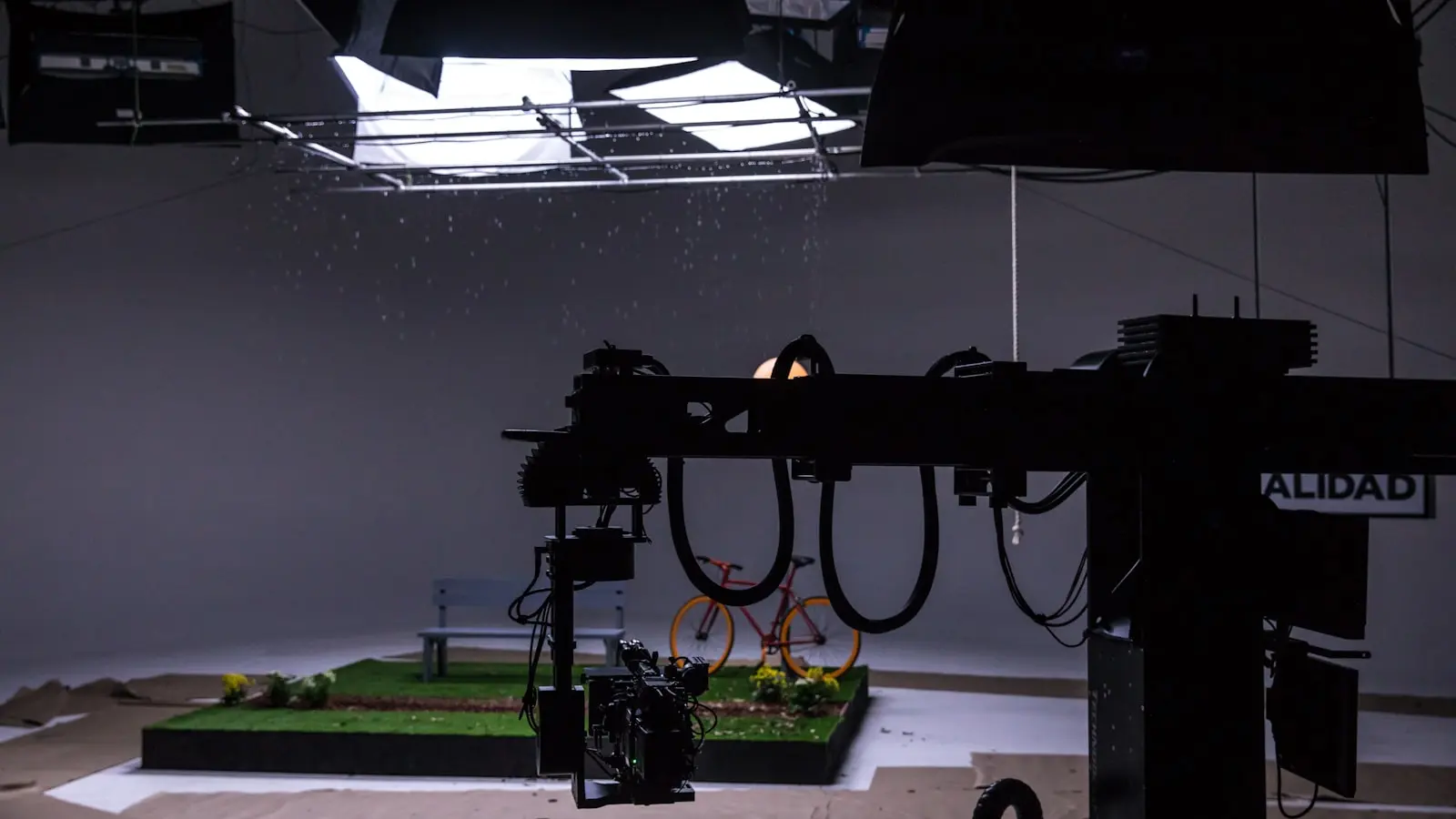

The contemporary film industry is currently undergoing a structural pivot toward tactile realism. After two decades of digital saturation, major studio productions are finding that audiences increasingly reject the aesthetic gloss of uniform computer-generated imagery in favor of physical, tangible environments. This shift is not merely nostalgic (though the marketing departments certainly treat it as such); it is a calculated response to a growing disconnect between digital spectacle and human perception.
The Economics of Unpredictable Light
At the production level, the distinction between digital and practical rests on the economics of physics. Digital effects rely on sophisticated, physics-based rendering engines designed to simulate how light interacts with geometry. However, these models often falter at the micro-level—the specific, erratic way dust particles catch light, or the subtle lens flares produced by authentic physical glass. When a director like Christopher Nolan mandates the use of real miniatures and full-scale props, the cost is not just in materials and rigging; it is in the loss of post-production flexibility. Digital assets are infinitely scalable and mutable. Practical effects, once filmed, are locked in time. This lack of adjustment is precisely what gives these scenes their ‘tactile realism.’ (It turns out, imperfection is the most expensive commodity in Hollywood.)
The Actor Performance Gap
Beyond the optics, the move toward practical effects addresses a critical failure in modern acting environments. When actors are forced to perform against expansive, featureless green screens, the psychological anchor provided by their surroundings evaporates. This puts an immense, often invisible, strain on the performer. Without a physical object to collide with or a light source that reacts to their movement in real-time, the actor must rely entirely on the visual effects artist to construct the narrative context in post-production. The result is often a subtle, yet pervasive, emotional dissonance on screen. Critics have noted that this reliance effectively replaces the nuance of physical performance with the synthetic polish of late-stage rendering. (The audience can tell.)
The Practical First Movement
Directors such as George Miller and Christopher Nolan are the primary architects of this shift, effectively framing practical stunts as a competitive advantage. By centering their production cycles around physical architecture, they generate marketing buzz that appeals to a fatigued audience—one that has learned, through years of exposure, to subconsciously identify the ‘uncanny valley’ of digital rendering. This is a deliberate aesthetic strategy designed to bypass the fatigue of excessive digital manipulation. The industry is essentially rediscovering that viewer immersion is tied directly to the laws of entropy. Real objects obey gravity, decay, and environmental light in ways that remain computationally expensive to mimic.
Strategic Comparison of Effects Methodologies
| Feature | Practical Effects | Digital Effects (CGI) |
|---|---|---|
| Realism Source | Physical interaction | Algorithmic simulation |
| Cost Scaling | High (Material/Rigging) | Low (Computing time) |
| Post-Production | Limited adjustment | Full flexibility |
| Performance Context | High (Physical tactile) | Low (Green screen dependency) |
Why This Matters for Future Production
The resurgence of practical techniques signals a shift in power dynamics between the creative department and the technical VFX pipeline. If the goal of the current cinema cycle is to recapture the visceral impact of the ‘event film,’ then the industry must reconcile with the fact that computation cannot fully replace the unpredictable, chaotic beauty of the physical world. For small studios and independent creators, this trend offers a template for distinguishing their work from the homogenized look of high-budget streaming slop. By prioritizing the frame over the algorithm, filmmakers are betting that the audience’s desire for authenticity will override the efficiency of the digital workflow. (Whether this holds when the next budget crunch hits is another question entirely.)