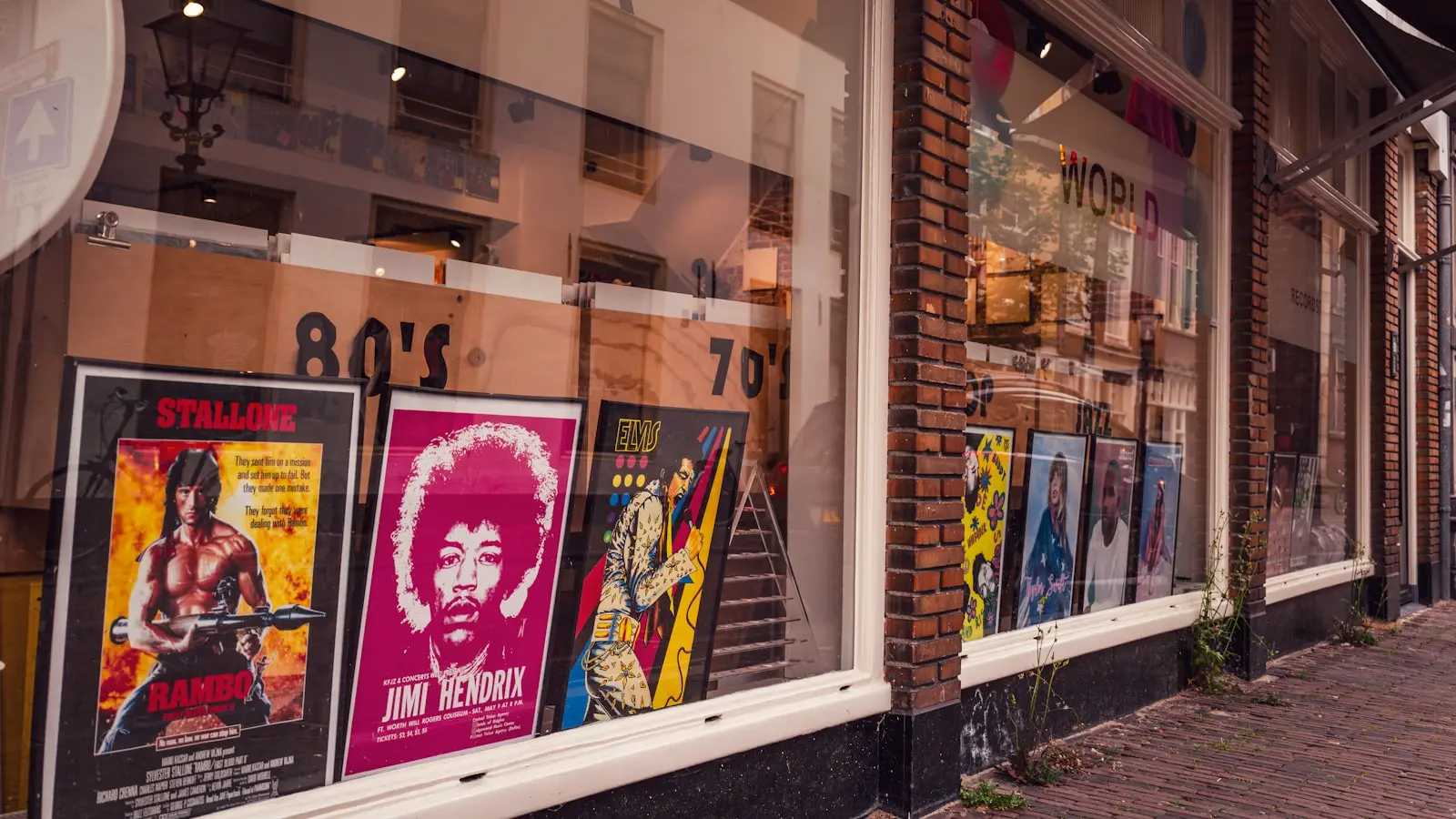
The cinematic memorabilia market is experiencing a profound shift as the auction floor redefines the value of paper advertisements from the mid-century era. Recent data indicates that the valuation of original one-sheet posters from the 1950s and 1960s has climbed by 30 percent over the previous 24 months. These artifacts, once considered disposable cinema ephemera, now trade at valuations ranging from $10,000 to $50,000. It is a striking climb.
The Mechanics of Scarcity
Supply remains the primary driver of these price increases. Unlike modern digital campaigns, vintage movie posters were intended for short-term display in theater lobbies and frequently discarded after a film cycle concluded. The surviving inventory is thin. Furthermore, the condition of these paper goods is fragile. Professional preservationists warn that improper storage involving UV light exposure or ambient humidity can degrade the physical integrity of a poster by 5 percent annually. Consequently, the market has shifted toward institutional-grade storage solutions, moving these items out of binders and into climate-controlled vaults.
The Digital Counter-Movement
This trend is not occurring in a vacuum. It represents a broader sociological reaction to the saturation of digital content. As streaming platforms fragment the film-viewing experience, a new demographic of collectors is seeking tangible anchors to cinematic history. This is the same impulse fueling the resurgence of vinyl records and film photography. It is about ownership in an age of temporary licenses. (Does anyone truly own a movie on a streaming service anymore?) Collectors are prioritizing the tactile reality of the printed page over the convenience of a digital file.
Institutional Validation
Art historians and museum curators are finally moving away from the condescension of “pop culture” as an inferior category. Major institutions have begun to treat film advertising with the same academic rigor applied to traditional graphic design or lithography. By mounting dedicated exhibits focused on the visual language of 1950s cinema marketing, museums provide a formal seal of approval that stabilizes the secondary market.
Market Impact Factors
Collectors analyze several specific criteria before committing to these high-stakes acquisitions:
- Condition Grading: Original folds, linen backing, and ink vibrancy are non-negotiable points for high-tier valuation.
- Cultural Significance: Posters tied to foundational works of directors like Hitchcock or Wilder command a premium compared to generic genre entries.
- Provenance: A documented history of ownership ensures that the item is an authentic theater-distributed one-sheet rather than a later reproduction.
The Economics of Preservation
The transition from hobbyist collection to asset management has birthed a specialized industry for paper conservation. Owners are now hiring experts to perform deacidification and light-safe mounting. The costs associated with this level of upkeep are substantial, effectively creating a barrier to entry that prevents the market from being flooded with poorly preserved, low-quality stock. This is a maturing asset class.
Future Implications
The rising valuations signal that the film-going experience of the 20th century is being solidified into a permanent historical narrative. As these posters enter private collections and museum archives, their liquidity is expected to tighten further. For the average observer, it is a reminder that the most disposable objects of one decade often become the most sought-after cultural capital of the next. The paper is no longer just paper; it is a ledger of historical value.