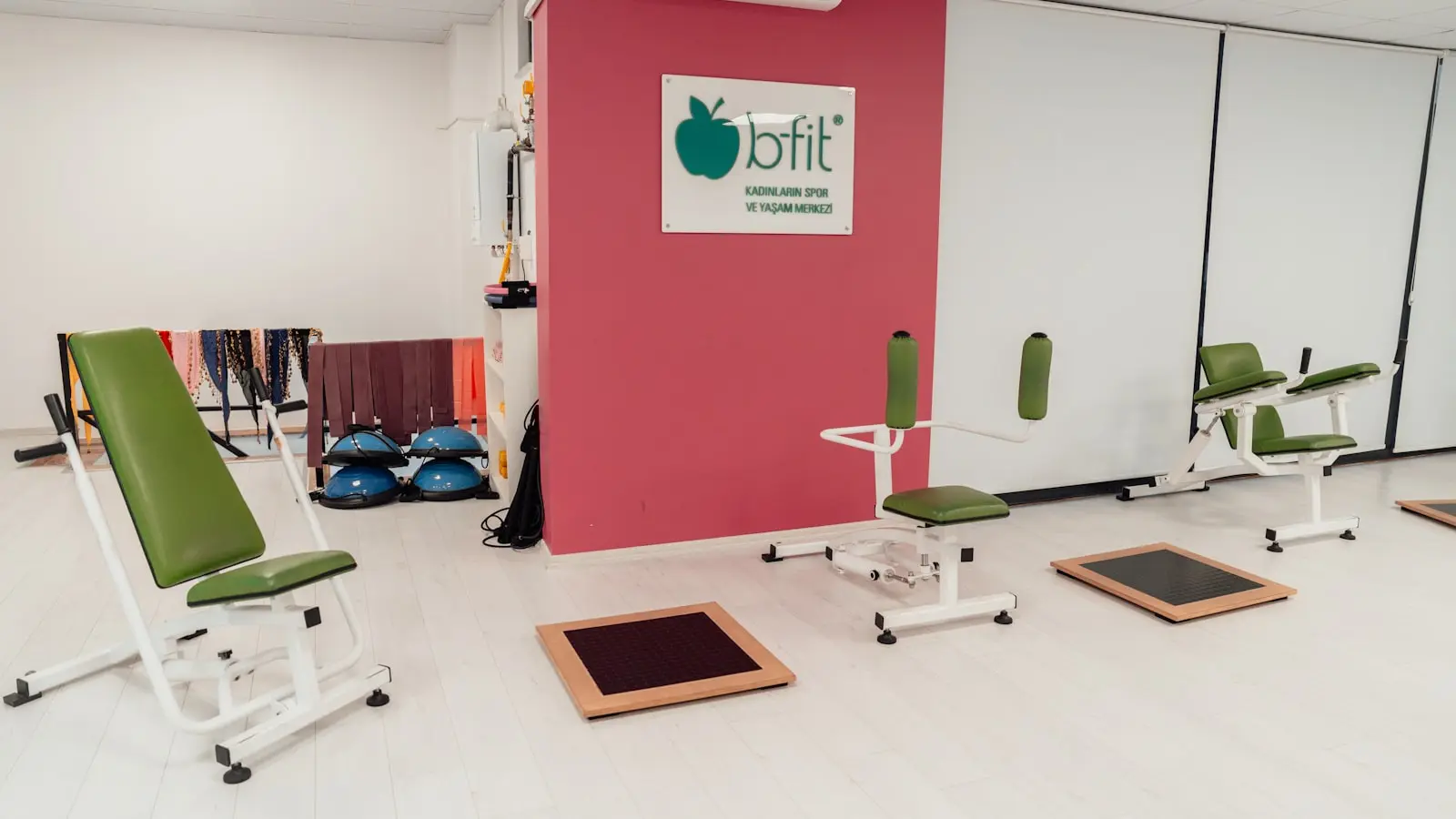

The social architecture of 2026 is undergoing a quiet, high-stakes renovation. Where the coffee shop once served as the primary “third space” for community, the private wellness club has emerged as its sophisticated, quieted successor. These venues are not merely fitness centers with better lighting; they are curated sanctuaries designed to facilitate a specific, increasingly rare commodity: physical presence. (Is the coffee shop finally dead?) As digital interactions become automated by AI, the appetite for analog existence has surged, driving the $2 trillion global wellness market toward these exclusive, membership-based portals.
The Economics of Disconnection
Recent industry data provides a clear signal regarding consumer behavior. A McKinsey report highlights that 60% of travelers who engaged with wellness treatments intend to integrate these habits into their domestic routines, with 30% signaling a willingness to pay a premium for consistent access. This is not casual spending. It is a strategic allocation of capital toward mental and physical preservation. The infrastructure is shifting to match this demand. Private clubs are now scaling their offerings to include high-end sauna suites, hyper-personalized ice baths, and dedicated spaces for communal, non-digital socialization.
Designing for Human Connection
Jonathan Leary of Remedy Place suggests that these venues serve as the primary defensive line against the creeping tide of loneliness inherent in the AI age. When the workforce becomes increasingly remote and algorithms curate our social feeds, the physical constraints of a wellness club—where phones are discouraged and silence is intentional—provide a necessary friction. This is the new luxury: a space where human observation is the primary interface, not a screen. At venues like Saint in New York City, the focus shifts from group fitness to private, tactile experiences. This design choice forces a recalibration of how individuals perceive personal boundaries and communal interaction.
The Pivot from Fitness to Milestone
These clubs are evolving into hybrid environments that challenge traditional hospitality models. They are hosting milestone celebrations and intimate gatherings that prioritize health-conscious social equity over consumption-based revelry. The transition is profound. By anchoring social life in the biological reality of the body rather than the artificial feedback loops of digital platforms, these clubs are defining a new standard of living.
| Feature | Traditional Gym | Private Wellness Club |
|---|---|---|
| Core Focus | Performance metrics | Physiological restoration |
| Social Dynamic | Competitive | Intentional connection |
| Environment | High-intensity audio | Sensory-calibrated silence |
| Membership | Transactional | Community-integrated |
Why This Matters Now
When individuals retreat into private clubs for hours of recovery, they are voting against the hyper-connected, volatile pace of the modern era. The success of this model rests on a singular premise: that true restoration cannot be automated. Whether it is the shock of a cold-plunge tank or the rhythmic heat of an infrared sauna, these experiences demand absolute focus. (Thankfully). The marketplace is responding to a deep-seated cultural fatigue. In 2026, the most valuable amenity is no longer high-speed internet or global connectivity; it is the physical space to stop, breathe, and exist in the presence of another human being without the mediation of an interface.