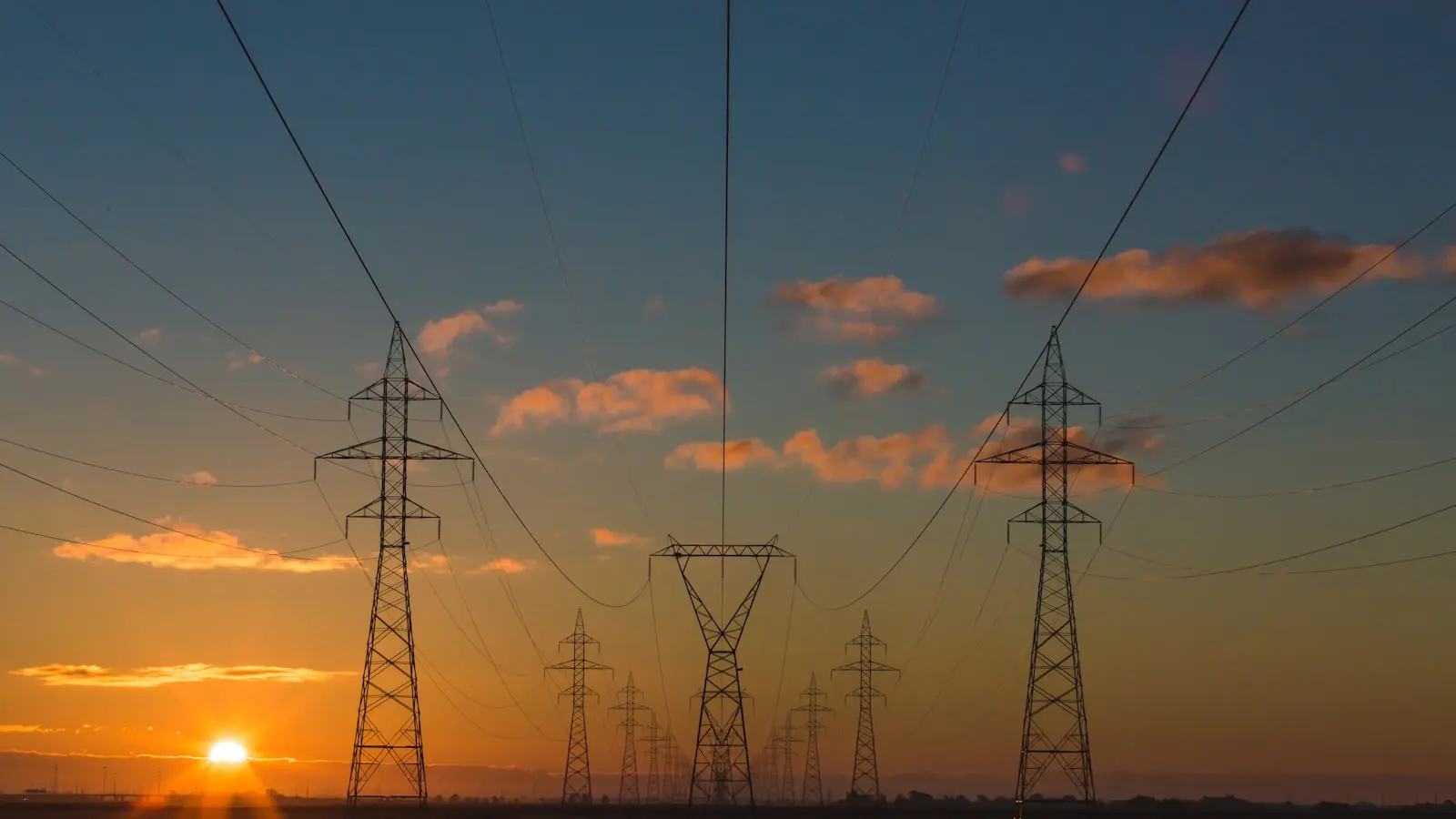

The Paradox of Abundance
Natural gas prices at the Waha hub in West Texas have dropped into negative territory. Producers are now paying buyers to remove gas from their facilities, a situation that defies standard market logic. While this occurs, the global energy landscape remains in a state of high volatility. Geopolitical friction in the Middle East has compromised LNG shipments, leaving European and Asian markets scrambling for supply. (A textbook case of systemic inefficiency.)
Production Versus Infrastructure
Texas output has continued to climb, driven by the massive scale of the Permian Basin. However, the physical infrastructure of the region has failed to keep pace. Pipeline capacity is effectively maxed out. Without the ability to transport this surplus to coastal LNG terminals or regional hubs, the gas is being flared. It is being burned off as waste because there is literally nowhere for it to go. This creates an immediate economic loss for producers while simultaneously triggering scrutiny from environmental groups concerned about the resulting methane emissions.
The Global Disconnect
Data shows the pricing gap between domestic US gas and European LNG benchmarks has widened to a record high of 15 USD per million BTU as of March 2026. This divergence highlights a brutal reality: global energy markets are not as integrated as they seem. US producers are paying to dispose of a product that, if it could reach European industrial centers, would fetch premium pricing. Current export terminal capacity acts as a hard ceiling. Even with recent policy shifts under the current administration aimed at fast-tracking export permits, the hardware takes years to build. New terminal capacity will not likely hit the market until 2027 or 2028. (Capital expenditure takes time.)
Structural Constraints and Future Outlook
Investors are looking at three primary variables to determine if this anomaly persists:
- Pipeline Throughput: Current capacity is insufficient to clear the backlog of gas trapped in the Permian Basin. Until midstream operators complete new projects, the Waha hub will remain prone to price volatility.
- Terminal Bottlenecks: Domestic production capacity exceeds export infrastructure capacity. This leaves a surplus stranded in the US interior.
- Geopolitical Risk: The Iran conflict continues to threaten supply chains originating in the Middle East. As long as LNG exports from Qatar and the UAE remain under threat, global prices will remain sensitive to even minor supply disruptions.
For the industrial consumer in Europe, this represents a significant cost pressure that affects manufacturing margins across the continent. For the domestic producer, it represents a failure of logistics. Markets generally correct these inefficiencies over time, but the time horizon here is measured in years, not months. Investors should expect continued volatility as long as this infrastructure gap remains unaddressed. (The market waits for no one.)