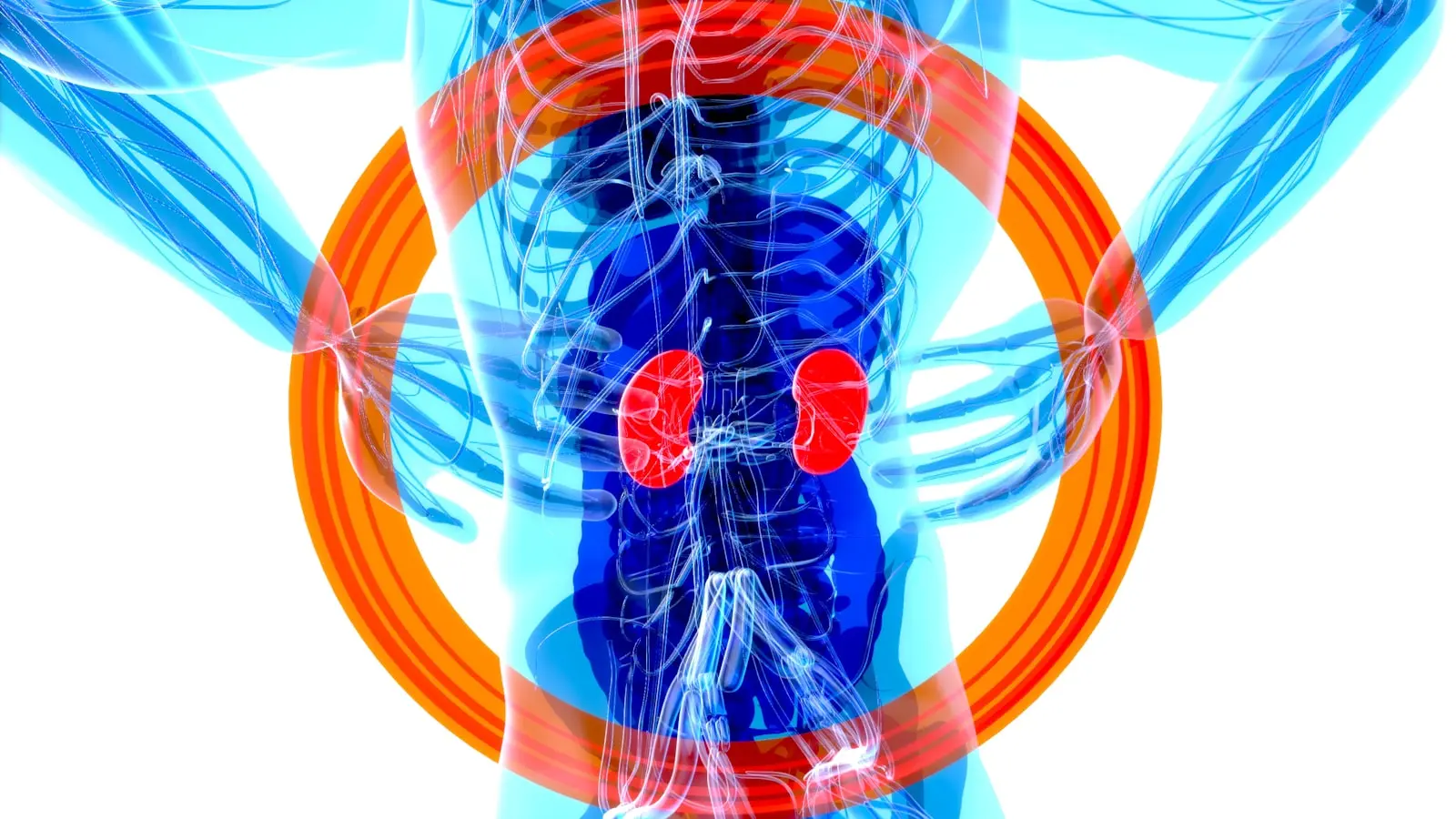

The Clinical Reality of Nephrolithiasis
Nephrolithiasis, or the formation of kidney stones, represents a physiological failure in the urinary system. Minerals and salts, primarily calcium, oxalate, or uric acid, crystallize within the renal architecture when concentration levels exceed the threshold of solubility. When these aggregates migrate into the ureter, the patient experiences severe flank pain, hematuria, and nausea. (It is an experience patients rarely forget.) While the acute phase of an episode is typically managed through pain mitigation and watchful waiting or surgical intervention, the underlying metabolic environment that facilitated the initial crystallization often remains unchanged. This is why recurrence is not merely a risk but a statistical probability.
The Statistics of Recurrence
Research consistently demonstrates that approximately 50% of individuals who experience a symptomatic kidney stone will face a secondary event within a five-to-ten-year window. This high recurrence rate suggests that without targeted dietary and lifestyle intervention, the renal system remains primed for further mineral precipitation. The medical community views this not as a series of random accidents, but as a predictable consequence of metabolic imbalance. When the body is perpetually dehydrated or consuming excessive sodium, it limits the kidneys’ ability to dilute solutes. The concentration rises. The crystals form.
Mechanisms of Formation and Prevention
To prevent recurrence, one must understand the specific environmental stressors affecting the kidneys. The primary objective is to maintain a urinary output that prevents solute concentration. For most high-risk individuals, the clinical benchmark is a fluid intake of 2.5 liters per day. (The math is simple; the compliance is often difficult.) However, fluid volume alone is insufficient if other metabolic variables are neglected:
- Sodium Regulation: High sodium intake increases urinary calcium excretion, which directly promotes stone formation. Reducing dietary sodium is as critical as increasing water intake.
- Solute Concentration: By increasing total fluid intake, the concentration of stone-forming salts like calcium oxalate is lowered, making crystallization physically less likely to occur.
- Metabolic Monitoring: For those with recurring episodes, identifying the specific composition of the stone is a prerequisite for long-term management.
Addressing the Proactive Gap
Urologists and nephrologists often encounter a frustrating trend in patient care. Patients frequently wait until the return of an acute, painful episode to seek intervention, essentially treating the symptom while ignoring the disease process. This reactive approach necessitates emergency visits and, in some cases, invasive procedures. A more clinical approach involves proactive preventive screening. For those with a history of stones, routine urine analysis and metabolic workups can reveal imbalances before they manifest as stones. (Waiting for an ambulance is a poor health strategy.)
Clinical Guidelines for Long-Term Health
| Intervention Type | Target Metric | Clinical Justification |
|---|---|---|
| Hydration | 2.5 Liters/Day | Dilutes stone-forming minerals |
| Sodium Intake | Low | Reduces calcium excretion |
| Diagnostic Testing | Annual Screening | Identifies metabolic precursors |
| Dietary Monitoring | Variable | Adjusts based on stone composition |
Management of nephrolithiasis demands a shift from episodic treatment to consistent lifestyle modification. The recurrence rate is not an inevitability, but a reflection of lifestyle habits that favor mineral crystallization. By maintaining adequate dilution and regulating mineral intake, the clinical probability of recurrence drops significantly. For the patient, the evidence is clear: the most effective way to manage kidney stones is to prevent their formation through the mechanical dilution of the urine and a recalibration of dietary inputs. Ignoring these factors essentially guarantees another encounter with the ureter.