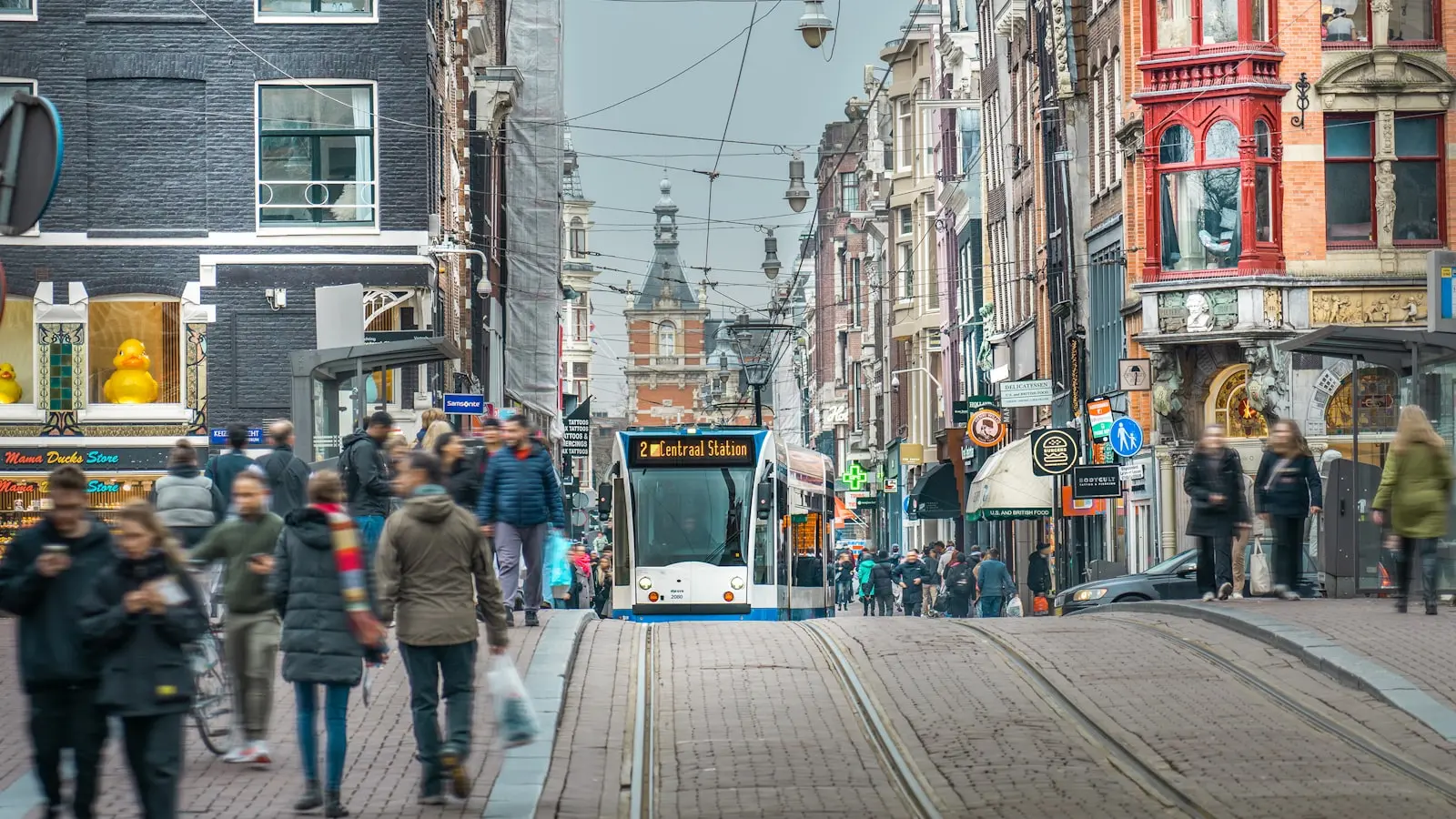

The Shift Toward Sensory Immersion
Modern urban exploration is undergoing a quiet, kinetic revolution. Rather than checking boxes on a pre-packaged itinerary, travelers are reclaiming the sidewalk. Data from the European Tourism Bureau in July 2024 confirms a significant pivot: visitors to cultural epicenters like Barcelona, Madrid, and Rome are increasingly opting for peripatetic immersion. By choosing to traverse between 10,000 and 15,000 steps daily, these individuals are bypassing the antiseptic experience of subways and tour buses in favor of the granular reality of city life. (The irony, of course, is that the most ‘authentic’ experience is simply the one that requires the most endurance.)
Architecture Through a Ground-Level Lens
When a traveler relies on public transit, they view a city as a series of disconnected nodes. They emerge from a metro station, visit a monument, and disappear back underground. This transit-centric approach creates a fragmented perception of geography. Walking, by contrast, enforces a cohesive understanding of urban fabric. Starting at a landmark like Barcelona’s Ciutadella Park and walking outward reveals the transition zones—the shift from manicured tourism corridors to the quiet, peeling-paint realism of residential side streets. This is where architecture ceases to be an object to be photographed and becomes an environment to be occupied.
The Psychology of Spontaneous Discovery
The desire to move on foot is largely a reaction against the ‘tourist trap’ phenomenon. Pre-packaged itineraries often function as filters, removing the friction that allows for genuine discovery. When a traveler navigates the city autonomously, they encounter culinary spots that lack the polished exterior of high-traffic venues. They witness social dynamics—the way shopkeepers interact with regulars or how light hits a specific facade at mid-morning—that no tour guide could package. (Frankly, if it is written in a guidebook, it has already lost its edge.)
Balancing Physical Demand with Psychological Benefit
Of course, fifteen thousand steps is a significant physical commitment. It requires planning, footwear, and the willingness to endure a degree of fatigue that most vacationers seek to avoid. Yet, the trade-off is clear. The stress of navigating complex transit systems, calculating fares, and enduring crowded trains is replaced by the rhythmic meditative state of walking. This shift reduces transit-related anxiety significantly. It allows for a slower, more deliberate consumption of a place.
Practical Strategies for Walking Explorations
For those looking to adopt this pace, the approach requires discipline. Consider the following structural adjustments to a standard trip:
- The Hub-and-Spoke Method: Anchor each day with one primary monument, but commit to reaching it and returning from it via different, non-linear routes.
- Environmental Scanning: Prioritize sensory feedback—scent, sound, and lighting—over navigation apps. (Apps, after all, are designed to make you efficient, not observant.)
- Micro-Stops: If a small café or a craft workshop captures attention, stop immediately. The itinerary should be a suggestion, not a mandate.
Ultimately, the move toward walking tours represents a maturation of the travel industry. It signals a departure from the ‘collector’ mentality—where cities are bagged like trophies—toward a philosophy of habitation. Whether it is the ancient, layered stone of Rome or the modernist grit of Barcelona, the city reveals its true character only to those who move at the speed of a human gait. The transit system might be faster, but it is the pavement that holds the story.