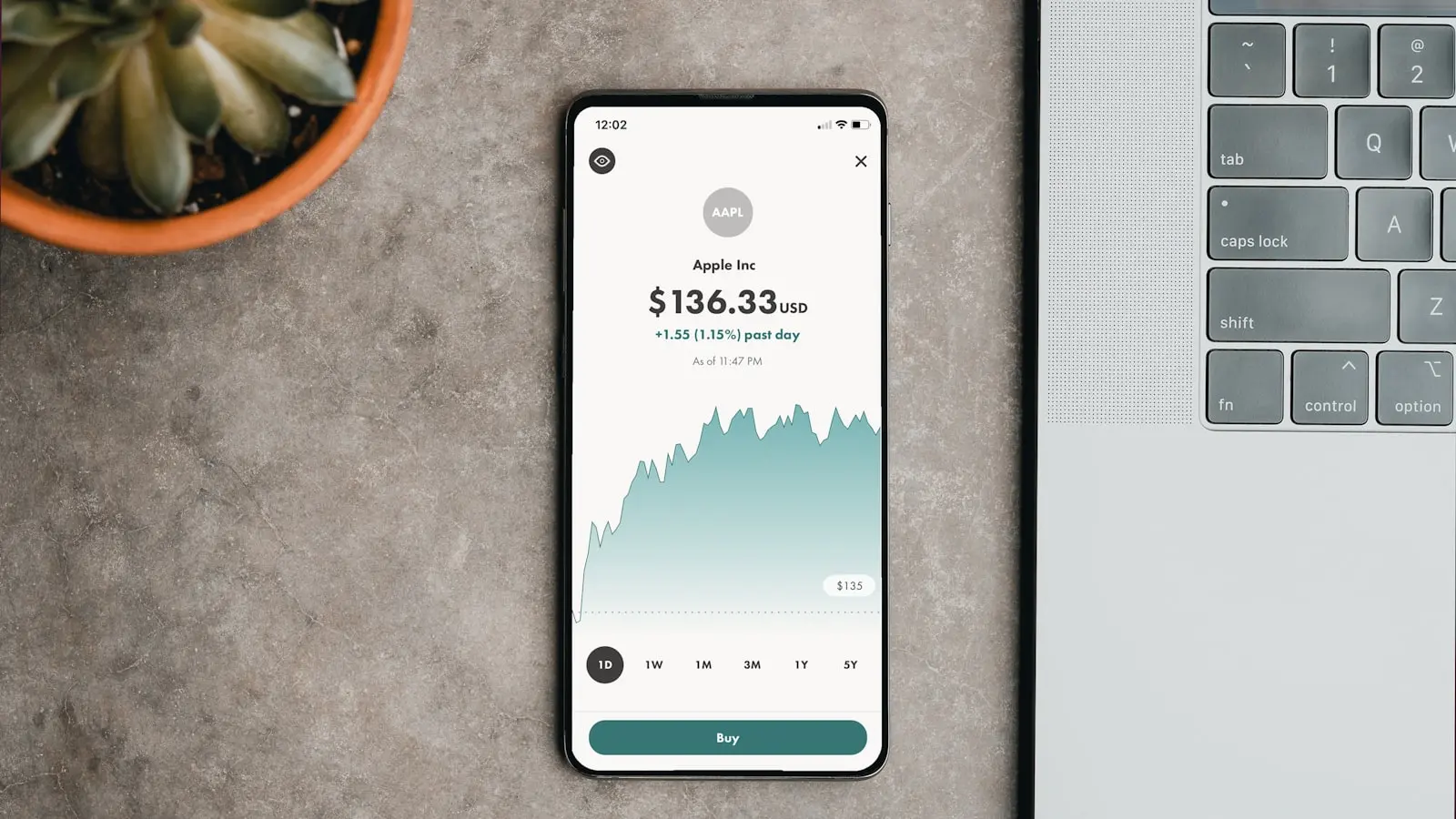

The transition from ledger paper and rigid spreadsheets to dynamic, cloud-based interfaces has altered how modern households perceive their own liquid capital. Where once a weekend afternoon was sacrificed to manual entry and reconciliation, contemporary tools now handle the heavy lifting of data classification with ruthless efficiency. This shift represents more than mere convenience; it marks a fundamental change in the friction of fiscal responsibility. (Is the ease of access leading to better habits, or simply less resistance?)
Financial data indicates that automated budgeting platforms—specifically those leveraging bank synchronization APIs like Monarch Money, YNAB, and Empower—save the average household approximately three to five hours of administrative labor every month. Beyond the time dividend, empirical evidence suggests a tangible correlation between automation and solvency. Data from 2024 studies indicates that individuals who migrate from manual tracking to automated systems observe an increase in their personal savings rate of roughly 15% within the first twelve months. This boost typically stems from the instantaneous visualization of discretionary spending leaks, which spreadsheets often obscure until it is far too late to correct the trajectory.
Historically, the methodology of ‘zero-based budgeting’ required an intense, almost religious commitment to logging every cent. It was a practice reserved for the disciplined few who possessed both the temperament for math and the patience for data entry. The democratization of this technique through digital interfaces has brought the concept to a wider audience, yet it has not silenced the skeptics. For the privacy-conscious, the reliance on third-party APIs that pull banking credentials remains a significant friction point. These users argue that the inherent security risks of cloud-synced financial data outweigh the time saved. They remain tethered to the spreadsheet, valuing the total isolation of their data over the predictive intelligence of modern software.
Financial planners offer a pragmatic lens to this debate. They observe that while software acts as an excellent diagnostic tool, the underlying mechanism for success is behavioral, not technological. A spreadsheet is a silent witness to waste; an app is a vocal critic. Yet, if the user remains indifferent to the data presented, the tool becomes irrelevant. The primary driver of success is the conscious decision to scrutinize spending patterns, regardless of whether that scrutiny occurs on a flickering smartphone screen or a dormant Excel file.
The Anatomy of the Switch
- Manual Spreadsheets: Provide absolute data sovereignty and zero dependency on third-party security, but suffer from significant input lag and high maintenance requirements.
- Automated Apps: Offer real-time insights and trend analysis, reducing the cognitive load of financial tracking, though they require a leap of faith regarding data privacy and API security.
Ultimately, the utility of a finance system is measured by the delta between what a person intends to save and what they actually retain. If an app provides the feedback loop necessary to close that gap, the minor exposure of account information is often viewed as an acceptable cost of doing business in a digital economy. (Perhaps the true cost isn’t the subscription fee, but the constant notification of one’s own poor decisions.) The future of financial management is not about choosing between the manual or the digital, but about identifying which system creates enough friction to stop bad habits without discouraging the act of tracking altogether.