
When a social media post announcing a concert tour accrues over 12 million likes in 24 hours, it ceases to be a simple marketing beat. It becomes a data point signaling a cultural and economic event of historic magnitude. Taylor Swift’s announcement of “Eras Tour: The Final Chapter” is precisely that—a declaration that recalibrates the entire live entertainment industry and cements a new model of artistic power.
The numbers themselves are staggering. A run of over 200 dates spanning from June 2026 to December 2027 across six continents is an act of logistical and physical endurance unheard of in the modern era. Industry analysts are not merely predicting success; they are projecting a gross of over $3 billion, a figure that would not just break the record set by the original Eras Tour ($2 billion) but utterly shatter it. This is not just a tour. It is a multinational economic stimulus package operated by a single artist.
The initial run of the Eras Tour provided a framework for understanding this phenomenon. It revitalized a post-pandemic concert industry and created documented economic booms in every city it visited, a “Swift Lift” that tourism boards began to count on. “The Final Chapter” promises to amplify this effect exponentially. It is an economic engine arriving on a predictable schedule, forcing ancillary industries from airlines to hospitality to adjust their forecasting models for the next two years.
The Unprecedented Economic Machine
The projected $3 billion gross is a headline figure, but the mechanics behind it reveal a deeper story. This isn’t just about ticket sales. It’s about a fully integrated commercial ecosystem. The tour’s announcement immediately triggered quantifiable consumer behavior, evidenced by a massive surge in Spotify streams of Swift’s entire catalog. This feedback loop—where the live event drives digital consumption, and digital consumption fuels demand for the live event—is the holy grail of modern media monetization.
In boardrooms from Universal Music to Live Nation, calendars are being cleared. Release schedules once considered fixed are now fluid, shifting to avoid the gravitational pull of a tour that acts less like a concert and more like a recurring national holiday. Competitor artists are not just avoiding a release-week conflict; they are ceding entire quarters of the public’s attention and disposable income. The tour doesn’t just dominate the entertainment landscape. It becomes the landscape.
City governments and tourism boards, once passive beneficiaries, now actively court these tour dates with the same fervor once reserved for Olympic bids. The economic impact is too significant to ignore. It represents a direct injection of capital into local economies, with fans traveling internationally and spending on hotels, food, and local goods. This transforms the tour from a cultural moment into a matter of municipal economic policy.
A New Model for Fan Engagement and Ticketing Stress
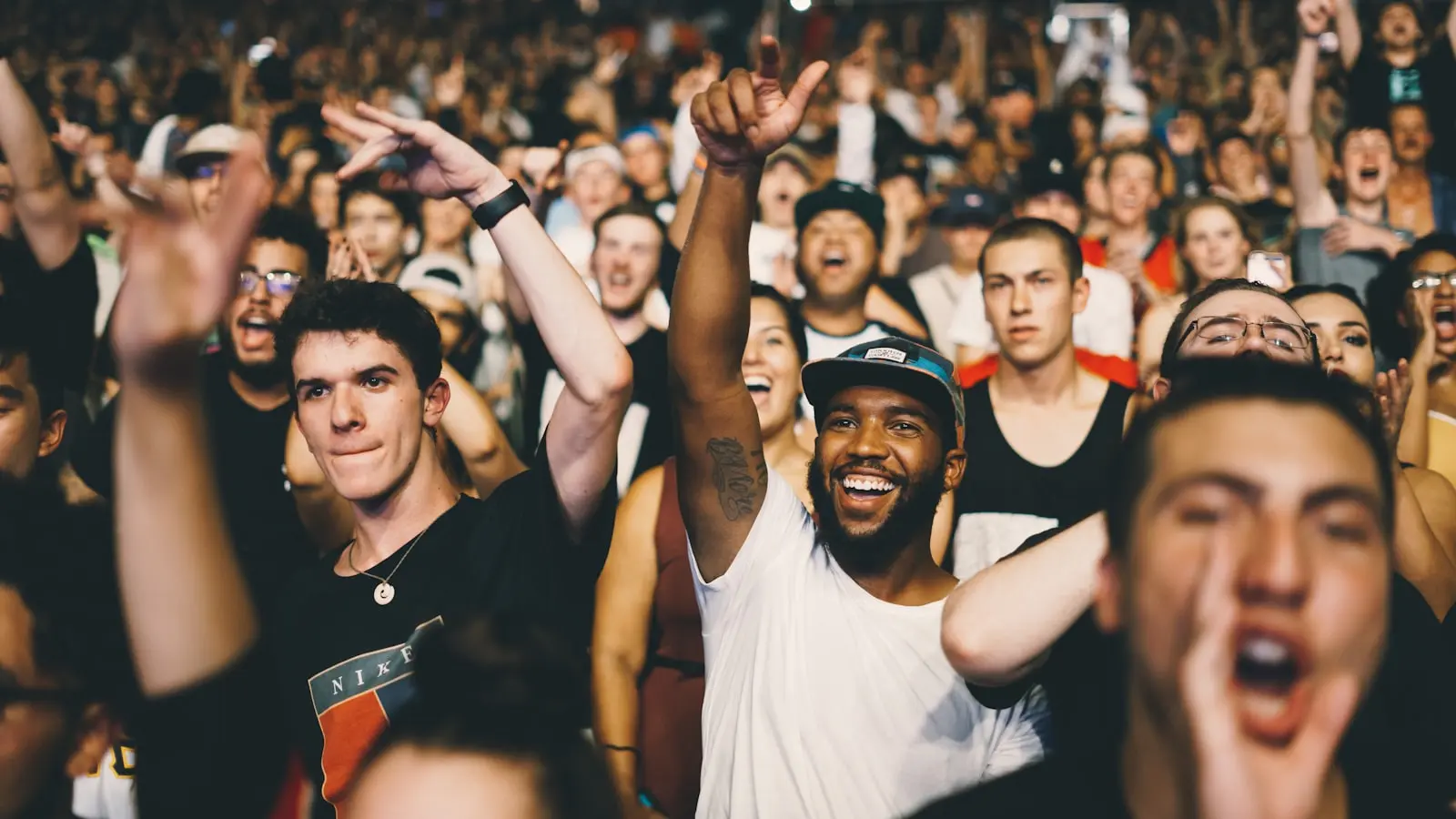
The fan response transcends simple enthusiasm. It is a display of sophisticated, decentralized organization. Within hours of the announcement, online communities were coordinating international travel plans, sharing presale strategies, and mobilizing a global network. This level of engagement is a testament to a relationship built over a decade and a half, one that bypasses traditional media gatekeepers.
This unprecedented demand places an almost unbearable strain on the infrastructure of commerce, specifically on ticketing platforms. Ticketmaster, still under scrutiny from the initial Eras Tour rollout, now faces a challenge of an even greater scale. The company’s promise of an improved Verified Fan presale system will be stress-tested in public. (Frankly, the system is designed for friction, not fairness). The outcome will serve as a crucial case study in whether centralized digital platforms can manage scarcity and demand in an era of monolithic fanbases. It is a battle between a passionate, organized public and a corporate infrastructure that profits from the chaos of that passion.
Curating a Legacy in Real Time
Artistically, “The Final Chapter” is a masterstroke of legacy curation. By incorporating her three most recent albums and promising an entirely new stage design, Swift incentivizes repeat attendance from fans who experienced the first leg of the tour. It is not a rerun. It is a sequel and a finale, rolled into one.
This decision transforms the tour from a promotional vehicle for a single album into a living, evolving museum of her entire career. Incorporating all 11 studio albums is a declaration that the entire body of work matters, that each “era” is a vital part of the narrative. The stage becomes a physical manifestation of her discography, allowing her to control her own story in the most public forum possible. She is not just performing her history; she is canonizing it in real time, night after night, in front of millions.
The very title, “The Final Chapter,” suggests a deliberate conclusion. It signals to the audience that this is a culminating event, the definitive and most complete version of her life’s work to date. This framing manufactures a sense of urgency and historical importance, elevating attendance from a fun night out to a form of cultural participation. You are not just seeing a concert; you are witnessing the end of an era.
Ultimately, the final leg of the Eras Tour represents the apotheosis of the modern superstar. It demonstrates a level of economic power, cultural influence, and direct-to-consumer connection that is unparalleled. It’s a world tour that functions as a world power, with a GDP that rivals small nations and a diplomatic footprint that sees cities vying for its favor. This is the new baseline.