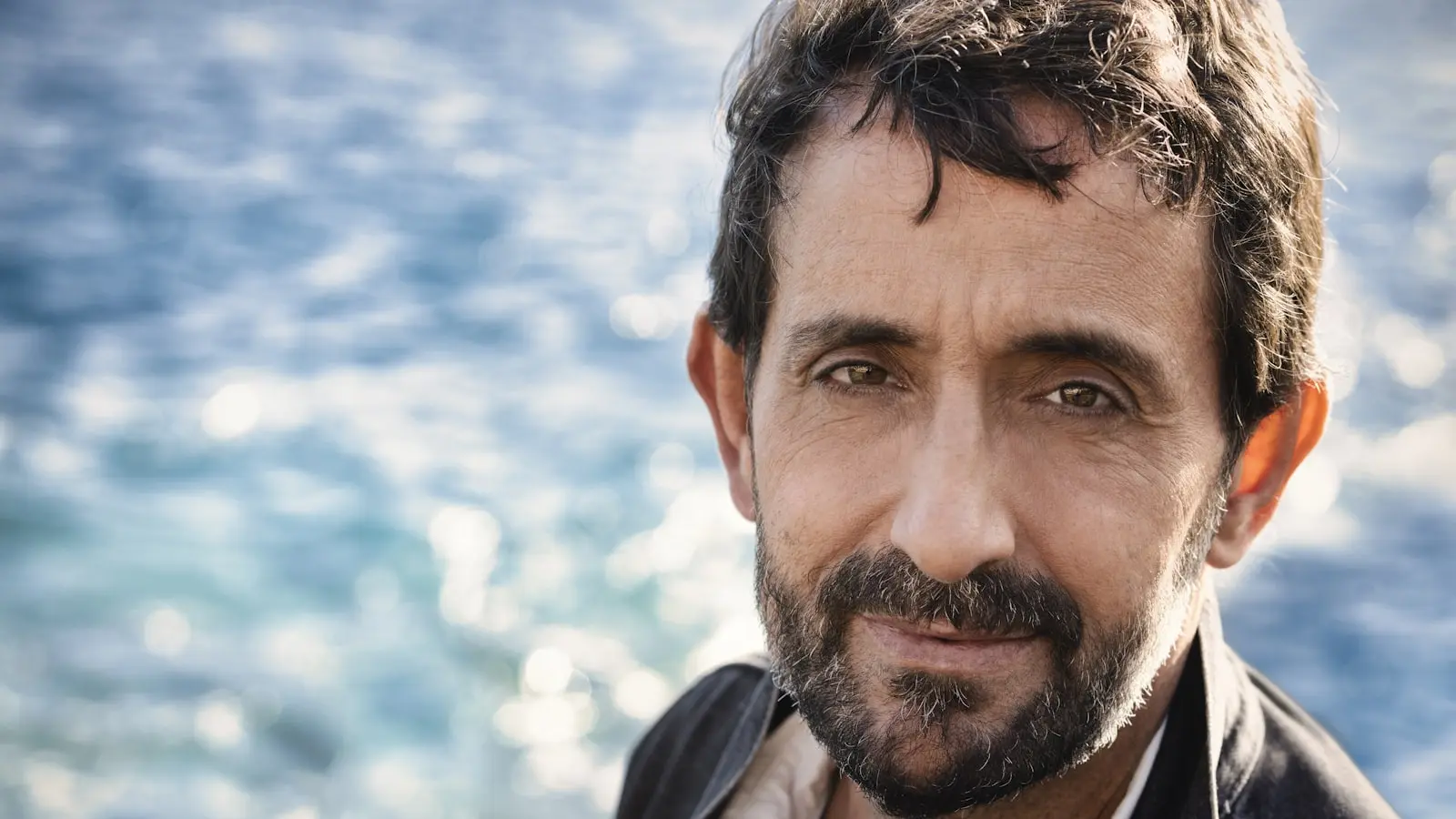
The Hidden Toll of a Public Life
When Robert Hays sat down for a Reddit AMA, he did not just field questions about flying a 747 autopilot or spoofing disaster films. He spoke candidly about the emotional highs and lows of a career spanning decades. The pressure of being typecast. The uncertainty of steady work. The weight of public gaze. His openness resonated deeply with a community that quickly turned to sharing personal stories of therapy, peer support, and the struggle to maintain mental equilibrium in a profession built on rejection.
Hays is not an anomaly. The entertainment industry operates on a brutal cycle of irregular income, constant auditioning, and savage public critique. Research published in the journal Psychology of Aesthetics, Creativity, and the Arts indicates that performers report significantly higher rates of anxiety, depression, and substance use disorders compared to the general population. The question is not whether actors face unique mental health risks. It is why the system amplifies those risks so consistently, and what can be done about it.
The Typecasting Trap
For actors like Hays, who became synonymous with a single iconic role, typecasting is a double-edged sword. It provides recognition, but it also locks the performer inside a narrow corridor of opportunity. A 2018 survey by the Screen Actors Guild-American Federation of Television and Radio Artists (SAG-AFTRA) found that over 60% of members reported being frequently offered roles that mirrored a past success, limiting creative growth and financial range.
The psychological mechanism here is identity erosion. An actor’s sense of self becomes fused with a character that audiences refuse to release. When an agent calls with yet another variation of the same part, the actor faces a choice: accept the safe paycheck or risk disappearing from the marketplace entirely. This chronic tension produces what psychologists call “role engulfment” — the gradual loss of a personal identity outside the performance. It is a quiet erosion that often goes unnoticed until the actor finds themselves unable to separate their own emotions from the script.
Financial Instability and the Audition Cycle
Even established actors experience feast-or-famine income patterns. The Bureau of Labor Statistics reports that the median hourly wage for actors in 2023 was $25.60, but that figure masks the reality that most work fewer than 20 weeks per year. Health insurance eligibility in the United States often hinges on minimum earnings thresholds, which means many performers cycle in and out of coverage precisely when they need it most.
The audition process itself operates as a factory of micro-rejections. A working actor may submit for 100 roles and land one. Each submission requires emotional investment, vulnerability, and the ability to withstand dismissal without explanation. Neuroimaging studies show that social rejection activates the same brain regions as physical pain. Repeated exposure to that neural response without recovery periods primes the nervous system for chronic stress, elevated cortisol, and, eventually, mood disorders.
Reddit users in the AMA thread described this exact pattern: the elation of a callback followed by weeks of silence, the self-blame that follows, and the slow erosion of confidence. One user noted that the industry “teaches you to expect nothing,” a survival strategy that paradoxically undermines the very optimism needed to keep going.
Public Scrutiny and the Illusion of Connection
Social media has collapsed the distance between performer and audience. Every comment section becomes a jury. A viral clip can reignite career interest, but it can also bring a torrent of anonymous criticism. For an actor like Hays, who came of age in an era before digital saturation, the shift has been disorienting.
Studies on performer well-being highlight the concept of “parasocial stress” — the strain caused by one-sided emotional relationships with fans who feel entitled to access, opinion, and judgment. When criticism feels personal, the actor’s defensive mechanisms blur the line between public and private self. The result is hypervigilance: checking mentions, scanning reviews, and internalizing every perceived failure.
The Reddit discussion revealed a more nuanced reality. Many users expressed genuine concern, not criticism. They praised Hays for his honesty and vulnerability, recognizing that his willingness to speak openly might help normalize the conversation. Yet even supportive engagement can become a burden when every public appearance invites a fresh wave of analysis.
Substance Use as a Coping Mechanism
Data from the National Institute on Drug Abuse indicates that performing artists have a 35% higher rate of alcohol and substance use disorders compared to the general workforce. The reasons are multifactorial: irregular sleep schedules, easy access to alcohol at industry events, and the social expectation to be “on” at all times. For some actors, substances become a way to manage performance anxiety or to numb the sting of rejection.
The problem is compounded by the industry’s historical reluctance to address mental health openly. Until very recently, admitting to depression or addiction could be a career-ending disclosure. Agents and producers worried about insurability. Audiences conflated on-screen personas with off-screen stability. The silence created a feedback loop: suffering in private, self-medicating, and then suffering more.
Organizations like the Actors Fund have stepped into this gap, providing confidential counseling, financial assistance, and substance abuse treatment programs. The Fund’s data shows that over 50,000 entertainment professionals access their mental health services annually. But awareness remains uneven. Many performers still do not know these resources exist, or they fear the stigma of using them.
Protective Factors and Resilience
Not every actor succumbs. The same Reddit thread that documented pain also highlighted resilience. Users pointed to Hays’s longevity as evidence of a robust coping toolkit. What separates those who endure?
Longitudinal research on performing artists identifies three key protective factors: a strong support network, diverse skill sets, and a clear separation between work and identity. Actors who maintain friendships outside the industry, who cultivate secondary income streams (voice work, directing, teaching), and who actively practice psychological distancing from roles report lower rates of burnout. Hays himself mentioned the importance of family and friends who kept him grounded.
Resilience is not a fixed trait. It can be built through deliberate practice. Cognitive-behavioral approaches that reframe rejection as data rather than personal failure, mindfulness training that anchors the performer in the present moment, and structured financial planning that reduces income volatility all contribute to long-term stability.
What the Industry Can Do
Individual coping strategies are necessary but insufficient. The system itself must change. Production companies can implement mandatory mental health days during long shoots. Talent agencies can screen for burnout indicators and offer proactive counseling referrals. Unions can negotiate for portable health insurance that does not depend on annual earnings thresholds.
Several pilot programs have shown promise. The UK’s Equity mental health charter, for example, requires member employers to provide access to an independent wellbeing officer and to ensure private spaces on set for decompression. Early data suggests lower absenteeism and higher reported job satisfaction among performers covered by the charter.
A Note on Seeking Help
If you are a performer reading this, the evidence is clear: you are not alone, and the challenges are not a personal failing. The Actors Fund provides a 24/7 helpline at 1-800-221-7303. The Substance Abuse and Mental Health Services Administration (SAMHSA) national helpline at 1-800-662-4357 offers confidential support for substance use issues.
Robert Hays’s willingness to speak openly did more than generate Reddit karma. It pulled back the curtain on an industry that has long hidden its wounds. The conversation is far from over. But each honest admission, each shared resource, each moment of solidarity — these are the small acts that dismantle stigma and build a healthier culture for everyone on stage and screen.