
The Problem of One Meal, Two Palates
When the refrigerator door swings open at 6 PM, the decision fatigue hits like a wave. A user on Reddit describes a scenario common to many households: he eats only dinner, his wife is picky, and they need meals that are both affordable and filling. The constraints are tight. One meal a day means that meal must carry nutritional weight and emotional satisfaction. A picky partner means texture repetitions are a minefield. The budget means no exotic ingredients that will languish in the pantry. It is a design problem dressed as a cooking question.
Meal prepping for a single evening meal reduces waste and stress, but only if the system accounts for the unpredictable variable of a second person’s palate, a force more capricious than any ingredient. The community on r/Cooking and r/vegetarian has spoken: sheet pan roasted vegetables with chickpeas and quinoa, vegetarian tacos with refried beans and avocado, stir-fries with tofu and snap peas, and pasta bakes with spinach and ricotta. These are not recipes; they are frameworks. Each allows for substitution, for negotiation, for the kind of flexibility that keeps a picky eater engaged without overwhelming the cook.
The Customizable Bowl Architecture
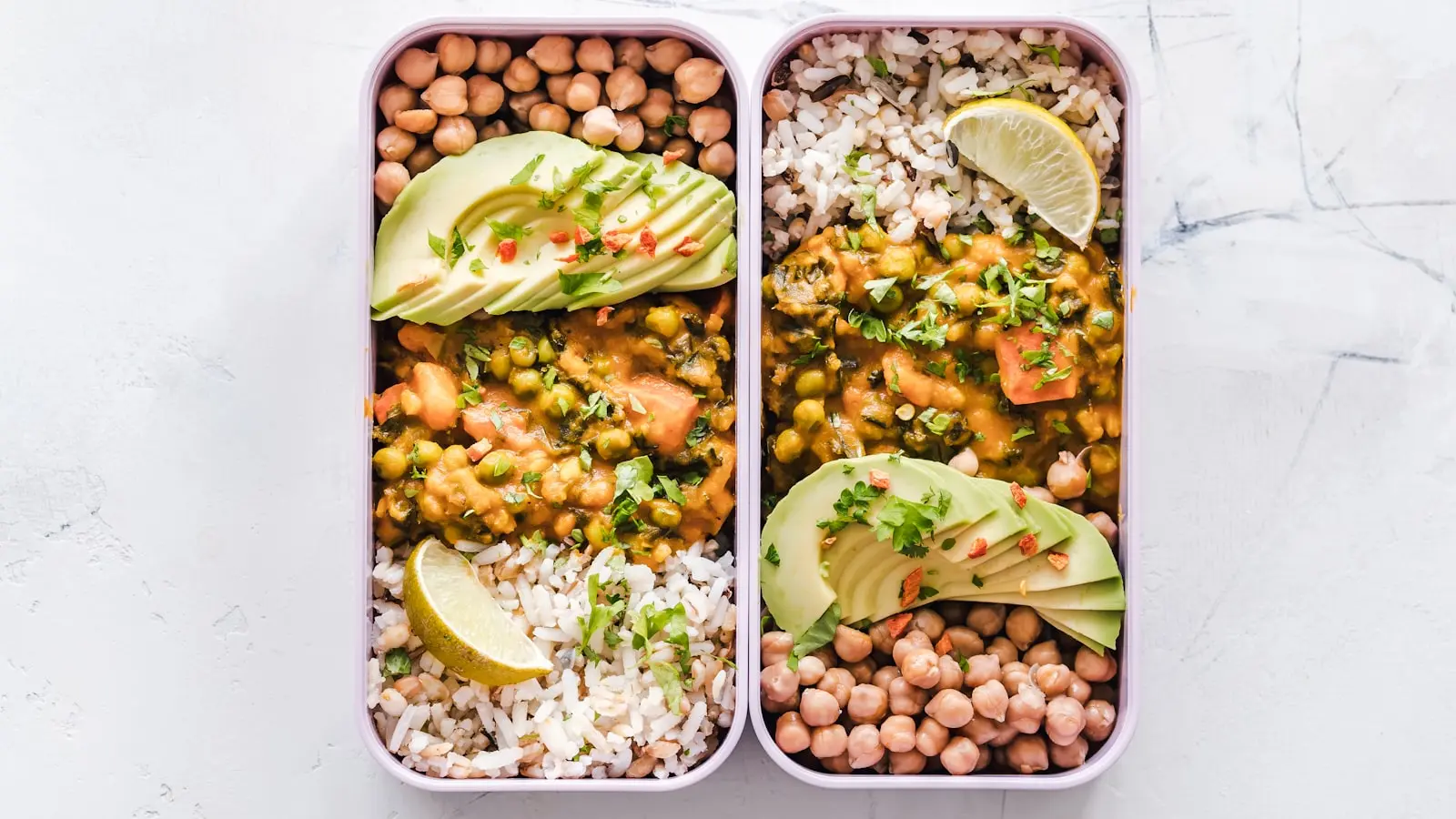
The most elegant solution to emerge from the Reddit threads is the customizable bowl. It is a design principle more than a dish: a base of rice or quinoa, a protein (beans, tofu, lentils), a vegetable component (roasted, sautéed, or raw), a sauce or dressing, and a topping (avocado, seeds, cheese). Each person assembles their own. The cook preps the components in bulk, and the picky eater controls the final composition. This modular approach respects individual preferences while maintaining efficiency. It also introduces a subtle behavioral nudge: the picky eater must engage with ingredients they might otherwise reject, but the choice remains theirs. Design shapes behavior. The bowl is a tool for gentle culinary expansion.
One Redditor suggests involving the wife in choosing recipes. This is not merely a social nicety; it is a strategic move. When a picky eater participates in the selection, they develop ownership over the meal. The resistance to unknown textures softens. The cook can present a list of three familiar-flavored options — a black bean taco bowl, a Mediterranean quinoa bowl with roasted red peppers, a Japanese-inspired bowl with edamame and miso dressing — and let the partner decide. The following week, one novel vegetable can be added to the rotation. The change is incremental. The system rewards patience.
Building Flavor Bridges
Texture is the silent dictator of the picky palate. A stir-fry of tofu and snap peas works because the tofu absorbs the sauce while the snap peas provide a clean crunch. The combination is predictable and satisfying. Pasta bakes with spinach and ricotta hide the spinach within a creamy, cheesy matrix. The spinach wilts, its structure dissolves, and only a muted green remains. The picky eater accepts the flavor without confronting the texture. This is a flavor bridge: a way to introduce a disliked ingredient by pairing it with a beloved one. Ricotta is the bridge. So is refried beans (smooth, savory) or avocado (buttery, neutral). The cook builds a path from the known to the unknown, one meal at a time.
Redditors frequently recommend frozen vegetables as a convenience hack. This is not laziness; it is intelligence. Frozen peas, corn, and spinach are flash-frozen at peak ripeness, retaining nutrients and flavor. They also integrate seamlessly into sauces and stir-fries, where their texture becomes indistinguishable from fresh. For a picky eater who recoils at the snap of a fresh green bean, frozen green beans in a pasta bake offer a softer, less assertive bite. The frozen section becomes an ally in the negotiation of taste.
The Role of Frozen Vegetables in the Negotiation
A sheet pan of roasted vegetables with chickpeas and quinoa is a staple, but the choice of vegetables matters. Reddit users suggest starting with familiar flavors: carrots, bell peppers, zucchini. These vegetables roast into a sweet, caramelized state that appeals to even the most resistant palates. Chickpeas provide protein and a nutty crunch. Quinoa is a mild, fluffy base. The entire meal comes together on one tray, requiring minimal cleanup and maximum flavor development. The design of the sheet pan — a single surface that conducts heat evenly — transforms the cooking process. The vegetables caramelize, the chickpeas crisp, and the quinoa absorbs the drippings. It is an exercise in thermal efficiency.
But what about the picky eater who refuses anything green? The answer lies in hiding vegetables in sauces. A red sauce for pasta can be blended with roasted carrots, celery, or even beets. A stir-fry sauce can incorporate finely grated zucchini. The smooth texture masks the vegetable matter. The flavor is savory, umami, and familiar. (Is this deception? Perhaps. But the goal is long-term acceptance.)
Pasta Bakes and Hidden Vegetables
Pasta bakes with spinach and ricotta are a classic for a reason. They are forgiving. The pasta can be any shape. The ricotta can be substituted with cottage cheese for protein. The spinach can be fresh or frozen. The entire dish can be assembled in advance and baked just before dinner. For a picky eater, the homogeneous texture of a baked pasta dish is reassuring. There are no surprises. Every forkful is the same. The spinach is invisible. The ricotta melts into the pasta. The cheese on top browns into a protective crust. It is comfort food that happens to be vegetarian.
Redditors also recommend tacos: refried beans, avocado, salsa, and optional cheese. The assembly line format allows each person to build their own. The picky eater can load up on beans and cheese while avoiding the avocado (if that texture is objectionable). The cook can prepare all components in advance. The shell — soft corn tortilla or hard shell — provides a container that separates the ingredients. The architecture of the taco is modular, just like the bowl, but with a different sensory experience: the crunch of the shell, the creaminess of beans, the heat of salsa. The variety is built into the format.
Involving the Partner Without Overwhelming
The consensus on Reddit is clear: involve the picky eater in the process, but start with familiar flavors. A vegetarian meal prep system cannot succeed if it feels like a punishment. The cook should choose one or two recipes the partner already enjoys, then slowly introduce variations. For example, if the partner likes cheese pizza, a spinach-ricotta pasta bake is a logical next step. If they enjoy bean burritos, a taco bowl with refried beans and rice is a natural extension. The cook leads with empathy, not ambush.
One Redditor mentions using a “meal prep date night” where both partners choose recipes and cook together. This transforms the chore into a shared activity. The kitchen becomes a workshop, not a battlefield. The design of the meal prep routine — the timing, the ingredient list, the storage containers — becomes a collaboration. The cook gains insight into the partner’s preferences. The partner gains trust in the cook’s judgment. Over time, the list of acceptable vegetables grows.
The Emotional Architecture of the Kitchen
Meal prep for one meal a day is not merely about sustenance; it is about the emotional architecture of the home. The refrigerator is a landscape of possibilities. The pantry is a library of flavors. The cook who understands this designs a system that reduces friction. The picky eater’s reluctance is not a flaw; it is a constraint to be worked with, like a small kitchen or a tight budget. The solution is not to force change, but to create conditions where change is possible.
When the refrigerator opens at 6 PM, the decision fatigue should be minimal. The containers are labeled. The components are ready. The picky eater can build a bowl or assemble a taco. The cook can relax. The meal is affordable, filling, and vegetarian. The system works because it respects the architecture of two distinct palates. The culture of the household shapes what is eaten, and what is eaten shapes the culture in return. The Reddit community has distilled this wisdom into practical advice: start with what works, build slowly, and let the design of the meal prep routine guide the behavior of the eaters.
Conclusion: The Art of the Possible
Vegetarian meal prep for one meal a day, with a picky partner, is not a problem to be solved but a balance to be maintained. The sheet pan, the bowl, the taco assembly, the hidden vegetable in the sauce — each is a tool in a larger system. The cook who approaches this with patience and precision will find that the constraints become assets. The kitchen is not a laboratory of taste; it is a negotiation of shared space. And in that negotiation, the humble meal prep routine becomes an act of design.