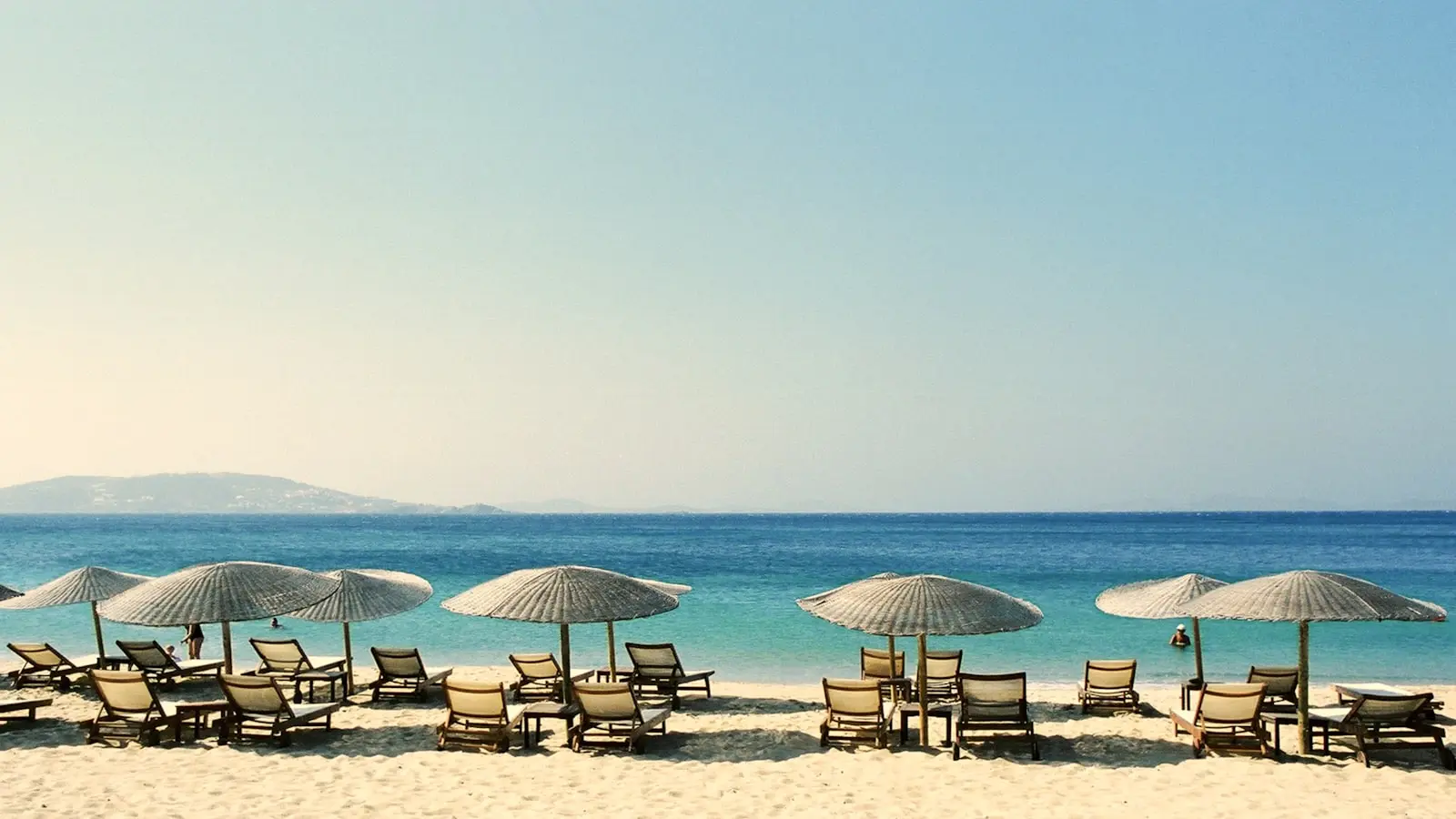

A recent Reddit discussion highlighted a common oversight among travelers to Santorini in early May: the sun feels mild but the UV exposure is fierce. The user described warm sun and cold water, with minimal crowds — but also noted the intensity of the rays. This is not anecdotal fluff. The UV index in the Cyclades rises steeply from April, often reaching 7 (high) or 8 (very high) by early May, despite air temperatures hovering around 20°C (68°F).
The physics is straightforward: the Mediterranean sun at this latitude is more direct than many northern visitors expect. Furthermore, Santorini’s iconic white-washed buildings reflect up to 80% of UV rays, effectively doubling the dose on exposed skin. The sea surface adds another reflective layer. Research from the World Health Organization indicates that UV levels in southern Europe in May can cause sunburn in fair-skinned individuals within 15 to 20 minutes.
The Reddit post serves as a valuable real-world data point. Travel health experts and frequent visitors in the thread all converged on one recommendation: SPF 50+ broad-spectrum sunscreen reapplied every two hours, combined with a wide-brimmed hat and deliberate shade-seeking between 11 a.m. and 3 p.m. This is consistent with dermatological guidelines for destinations with UV index 7 or above.
Why Early May Deceives Even Savvy Travelers
The disconnect between ambient temperature and UV intensity is a classic trap. In early May, Santorini’s average high is only 21°C (70°F). The breeze off the Aegean keeps skin cool, masking the burning sensation. But UV radiation is not heat. Ultraviolet B (UVB) rays, responsible for immediate sunburn, are strongest between 10 a.m. and 4 p.m. — and in the Cyclades, the UVB flux in May is roughly 70% of peak July levels. Ultraviolet A (UVA) rays, which penetrate deeper and cause long-term photoaging and skin cancer risk, remain relatively constant year-round. Even on a cloudy day, up to 80% of UV rays can penetrate the cloud cover.
The Amplification Effect of Santorini’s Environment
Santorini’s built environment is an unintentional UV amplifier. White surfaces reflect UV radiation, meaning areas under awnings or in partial shade may still receive substantial indirect exposure. A 2019 study in Photodermatology, Photoimmunology & Photomedicine quantified that albedo (surface reflectivity) from whitewashed walls can increase UV exposure at ground level by up to 50% compared to grassy terrain. Combined with the sea’s reflectivity (10-20% for UV), a person standing on a beach or near the caldera edge receives a cumulative dose significantly higher than the UV index alone suggests.
Quantifying the Risk: UV Index in Early May
The Greek National Meteorological Office publishes monthly UV forecasts. For Santorini (36.4°N latitude):
- April: UV index 6 (high)
- May: UV index 7-8 (high to very high)
- June: UV index 9-10 (very high)
Early May typically sees UV index 7. At this level, unprotected fair skin burns in about 20 minutes. Even darker skin types (Fitzpatrick III-IV) should limit direct sun exposure to 45-60 minutes without protection. The Reddit poster correctly noted that the sun felt warm but not scorching — but the data says otherwise.
Evidence-Based Sun Protection Protocol for Early May
Dermatologists and travel medicine experts recommend the following for Santorini in early May:
- Broad-spectrum SPF 50+ sunscreen: Apply 20 minutes before sun exposure. Use 2 mg/cm² (roughly a shot glass full for the whole body).
- Reapplication: Every two hours, or immediately after swimming or heavy sweating. Water-resistant formulas help, but not indefinitely.
- Physical barriers: A wide-brimmed hat (at least 7 cm brim), UV-blocking sunglasses, and tightly woven clothing. Darker fabrics with tighter weaves block more UV.
- Shade schedule: Seek shade between 11 a.m. and 3 p.m. — the period when UV index exceeds 6. Even under an umbrella, reflected UV can reach you; use it in combination with sunscreen.
- Be aware of medications: Common drugs like doxycycline (used for malaria prophylaxis or acne), diuretics, and NSAIDs can increase photosensitivity. Travelers on such medications need extra caution.
The Cumulative Cost of Deceptive Sun
One sunburn in early May might seem trivial, but the underlying damage is cumulative. The REDUCE study (2012) showed that five blistering sunburns between ages 15-20 increase melanoma risk by 80%. And the silent partner is UVA: it penetrates deeper, causing collagen breakdown and DNA damage that accrues with each exposure. A few days of unprotected walking along Santorini’s caldera path can deliver a month’s worth of UV dose.
Conclusion: Plan for the Sun, Not the Temperature
The Reddit user’s experience is a microcosm of a wider pattern: we judge sun risk by how hot it feels. The skin has no heat receptors for UV; pain comes only after damage is done. The Mediterranean sun in early May is not a gentle prelude to summer; it is a fully active UV emitter. The minimal crowds offer an excellent opportunity for peaceful exploration, but only if you respect the radiation. Apply the same protection you would in July. Your epidermis — and your future health — will thank you.