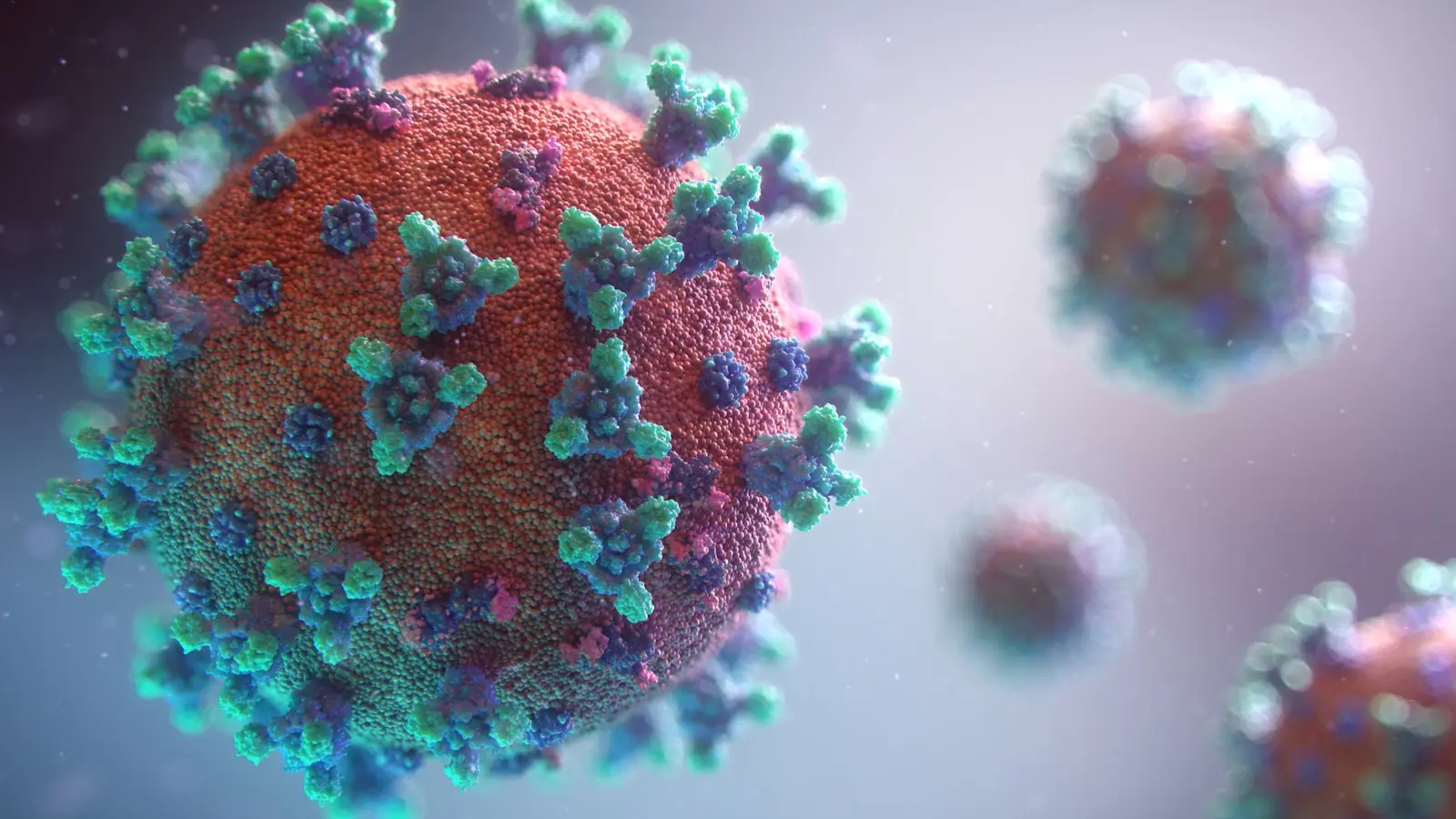

The United States is currently confronting its most significant measles outbreak in a generation, with confirmed cases surpassing 1,362 across 28 states as of mid-March 2026. This public health emergency, the largest since the disease was declared eliminated from the country in 2000, represents a severe and predictable regression. It is not a random biological event but a direct consequence of systemically eroded herd immunity, driven by declining vaccination rates in specific communities. For a healthcare system that had come to view measles as a historical artifact, the resurgence is a profound shock, stressing pediatric intensive care units and exposing a dangerous level of societal vulnerability.
The lethality of this outbreak is now confirmed, with three fatalities recorded, all among unvaccinated individuals. Data released by the Centers for Disease Control and Prevention (CDC) provides an unambiguous etiological link: approximately 92% of cases have occurred in individuals who are unvaccinated or whose vaccination status is unknown. This is not a failure of the vaccine; it is a failure to vaccinate. Furthermore, 94% of all infections are associated with known outbreak clusters, a classic epidemiological pattern indicating that the virus is not circulating randomly but is spreading with explosive efficiency through pockets of low immunity. Major outbreak epicenters in South Carolina, Arizona, Utah, and Texas are acting as reservoirs from which the virus can seed new infections nationwide.
The Viral Mechanism and Immunological Defense
To understand the severity of this crisis, one must first understand the pathogen. Measles is caused by a single-stranded, negative-sense, enveloped RNA virus of the genus Morbillivirus within the Paramyxoviridae family. Its defining characteristic is its extraordinary transmissibility. The basic reproduction number (R0, or “R-naught”) for measles is estimated to be between 12 and 18. This means a single infected person, in a fully susceptible population, is expected to transmit the virus to an average of 12 to 18 other people. (For comparison, the R0 of the original SARS-CoV-2 strain was estimated to be between 2 and 3). The virus spreads through direct contact and through the air via respiratory droplets, remaining infectious on surfaces and in airspace for up to two hours after an infected person has left an area.
The clinical presentation is severe. It begins with a high fever, cough, coryza (runny nose), and conjunctivitis (red, watery eyes), followed by the characteristic maculopapular rash. However, it is the complications that make measles so dangerous. Pneumonia is the most common cause of death in young children. About 1 in 1,000 children with measles will develop acute encephalitis, an inflammation of the brain that can result in permanent brain damage, intellectual disability, or death. An even more devastating, though rarer, outcome is subacute sclerosing panencephalitis (SSPE), a fatal degenerative disease of the central nervous system that manifests 7 to 10 years after an initial measles infection.
The primary defense against this highly efficient pathogen is the Measles, Mumps, and Rubella (MMR) vaccine, a live attenuated vaccine that produces a robust and durable immune response. A single dose is approximately 93% effective; a second dose, recommended by the CDC between 4 and 6 years of age, increases that efficacy to 97%. This high level of protection is essential for maintaining herd immunity, the threshold of population-level immunity required to prevent sustained community transmission. For measles, this threshold is approximately 95%. When vaccination coverage dips below this level, as it has in certain communities, the protective wall crumbles, allowing the virus to find susceptible hosts and spread. (The current crisis is a live demonstration of this epidemiological principle).
Systemic Failures Compounding a Biological Threat
The resurgence of measles is not a biological mystery but a case study in sociopolitical and institutional failure. The primary driver is a well-documented increase in vaccine hesitancy, fueled by sophisticated and persistent misinformation campaigns that have systematically eroded public trust in medical science and public health institutions. These campaigns often exploit parental anxieties, promoting baseless claims linking the MMR vaccine to autism—a hypothesis that has been exhaustively and conclusively debunked by dozens of peer-reviewed studies across the globe. This has resulted in geographically concentrated clusters of unvaccinated children, creating the exact conditions required for a highly transmissible virus like measles to thrive.
Compounding this social trend is an alarming decline in the nation’s public health infrastructure. The CDC, the agency tasked with leading the response, has been weakened by significant budget and staffing cuts in recent years. Programs like the Epidemic Intelligence Service (EIS), the nation’s frontline disease detectives, have seen their resources constrained, impacting the ability to perform rapid outbreak investigation and contact tracing. The absence of a confirmed director at the agency’s helm creates a leadership vacuum, hindering the development and execution of a clear, unified national strategy. (This institutional decay means the response is reactive and fragmented, rather than proactive and coordinated).
The United States had functionally eliminated endemic measles transmission by the year 2000, a landmark public health achievement that saved countless lives and billions of dollars in healthcare costs. That achievement was not permanent; it was conditional on the continued public commitment to high-coverage vaccination programs. The current regression to pre-elimination conditions is a dangerous reversal, driven by a failure to maintain that commitment. The implications extend beyond national borders, as international health organizations now warn that the visible surge of vaccine skepticism in the US may be exported, potentially destabilizing global disease control efforts for measles and other vaccine-preventable illnesses.
Clinical Recommendations and the Path Forward
Containing this escalating outbreak requires a multi-pronged approach grounded in established epidemiological principles. The response must be swift, coordinated, and directed at parents, healthcare providers, and policymakers simultaneously.
For Healthcare Providers:
- Proactive Patient Education: Clinicians, particularly pediatricians, are the most trusted source of vaccine information for parents. They must proactively address concerns, provide clear, evidence-based information about vaccine safety and efficacy, and debunk common myths.
- Strict Adherence to Catch-Up Schedules: Aggressively identify and recall patients who have fallen behind on the recommended immunization schedule. In outbreak areas, consult with local public health departments regarding potential adjustments to the vaccination timeline, such as administering the first dose to infants as young as 6 months who may be traveling internationally or are at high risk of exposure.
- Rapid Diagnosis and Reporting: Maintain a high index of suspicion for measles in patients presenting with fever and rash. Immediately implement airborne infection isolation precautions and report suspected cases to public health authorities to facilitate rapid contact tracing.
For Public Health Officials and Policymakers:
- Targeted Vaccination Campaigns: Deploy mobile vaccination clinics and resources to communities with the lowest vaccination rates and active outbreaks.
- Robust Public Communication: Launch a national, unified communication campaign to restore faith in vaccination. This campaign must be clear about the severe risks of measles and the proven safety of the MMR vaccine, using simple language and leveraging trusted community leaders.
- Reinvestment in Infrastructure: Rebuilding the capacity of the CDC and state and local health departments is a national security imperative. This requires restoring funding, filling key leadership positions, and modernizing disease surveillance and response systems. Policies that limit non-medical exemptions for school-entry vaccinations should also be considered.
The 2026 measles outbreak is a self-inflicted wound. It is a stark reminder that the victories of public health are never permanent. They must be continuously defended with vigilance, investment, and an unwavering commitment to scientific evidence. The solution is not novel or complex; it is the consistent and disciplined application of one of the most successful medical interventions ever developed.