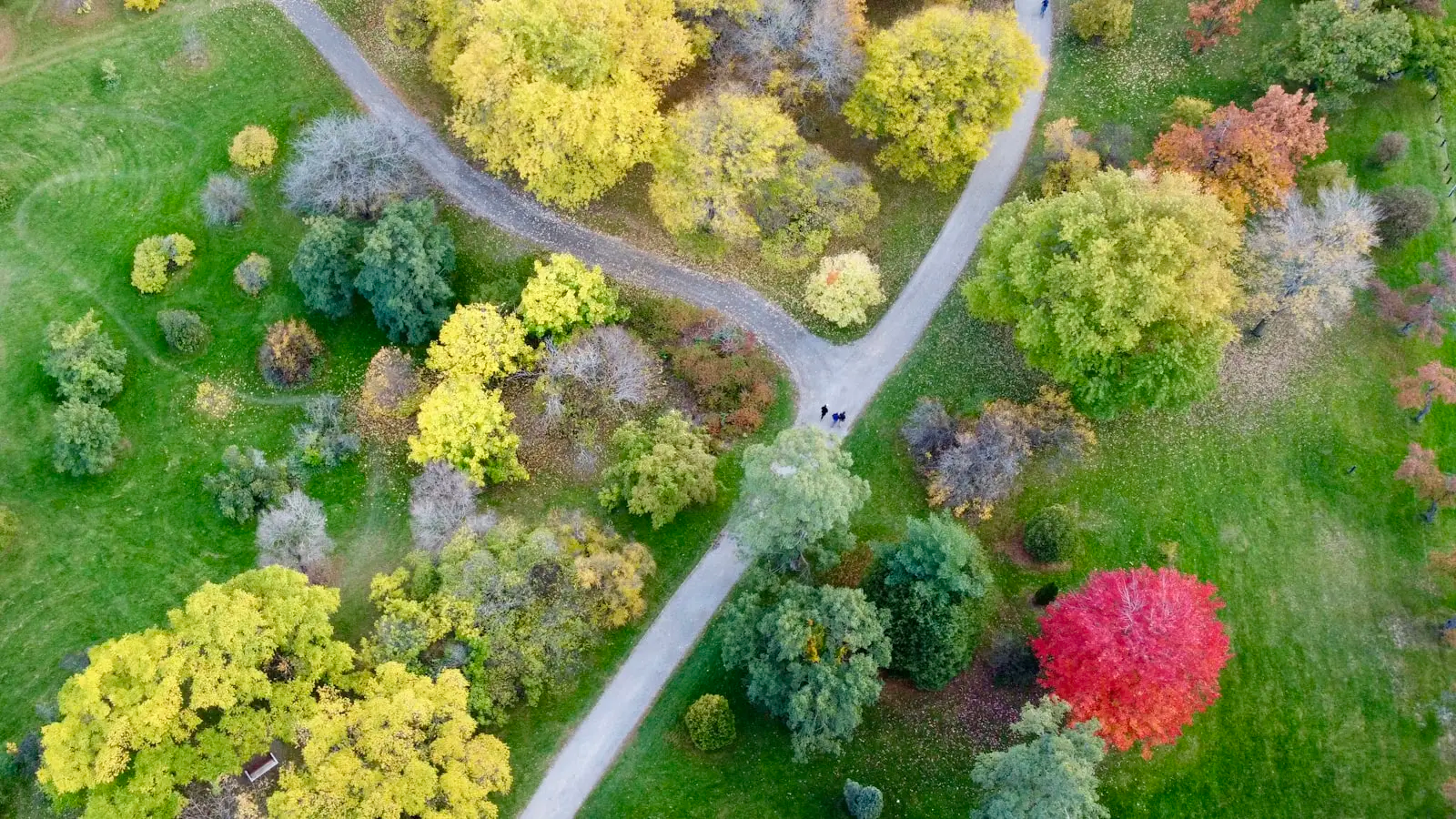

The asphalt canyons of modern cities act as heat traps, absorbing solar radiation during the day and radiating it back at night, creating a localized phenomenon known as the urban heat island effect. Recent analysis published in Environmental Science & Technology suggests that this thermal burden is not an inevitability of urbanization, but a design flaw that can be reversed. Strategic deployment of native tree species to increase canopy coverage by 20% can lower local surface temperatures by as much as 5 degrees Celsius during peak summer months. (A massive shift for any metropolitan climate.)
Understanding the Thermal Load
The urban heat island effect is a byproduct of material physics. Concrete, asphalt, and steel have high thermal mass and low albedo, meaning they soak up sunlight and retain heat far longer than natural landscapes. This creates a feedback loop: higher city temperatures drive increased air conditioning demand, which in turn exhausts more heat into the streets, further raising the temperature. This is where the biological engineering of urban forests intervenes. By intercepting solar radiation before it hits the pavement and providing transpirational cooling, trees act as decentralized, biological HVAC systems.
Beyond Mere Aesthetics
For decades, tree planting initiatives were often relegated to urban beautification budgets. That paradigm has shifted. Environmental policy analysts at the World Resources Institute have reframed forest restoration as essential public infrastructure. The economic justification is clear: every dollar invested in urban canopy expansion generates nearly three dollars in long-term savings. These savings are realized primarily through reduced energy consumption for cooling buildings, lower healthcare costs associated with heat stress, and the mitigation of stormwater management needs.
The Infrastructure of Resilience
Trees function as more than just shade providers. They are carbon sinks and air filtration systems. In dense city centers, they strip particulate matter from the air, directly improving local air quality. Consider the following multi-faceted benefits of a robust urban forest:
- Thermal Regulation: Direct reduction of surface temperatures by up to 5 degrees Celsius via shade and evapotranspiration.
- Carbon Sequestration: Absorption of atmospheric carbon, helping cities meet climate neutrality targets.
- Particulate Filtration: Mechanical removal of fine pollutants that exacerbate respiratory issues in high-density areas.
- Economic Efficiency: A nearly 3:1 return on investment through energy cost reductions.
The Implementation Challenge
Transitioning to this model requires a departure from arbitrary planting. Strategic, data-driven placement of native species is the only way to achieve these results. Planting a sapling in a location where it cannot thrive or where it does not address a critical heat pocket is a wasted resource. (Is this actually happening consistently?) Urban planners are now utilizing thermal imaging to map city “hot spots,” allowing them to prioritize canopy density in the regions that experience the most extreme diurnal temperature swings.
A Global Challenge with Local Solutions
As the world undergoes rapid urbanization, the pressure on energy grids will only intensify. If cities treat the urban forest as a utility rather than a luxury, they create a buffer against climate instability. The data suggests that we already possess the technology to cool our streets; we simply need the political will to treat trees with the same level of priority as high-voltage electrical lines or water pipelines. By integrating these biological solutions into the hard infrastructure of the 21st-century city, governments can provide a cooling mechanism that grows more effective with every passing year. The evidence is clear: the future of climate resilience is rooted in the ground beneath our feet.