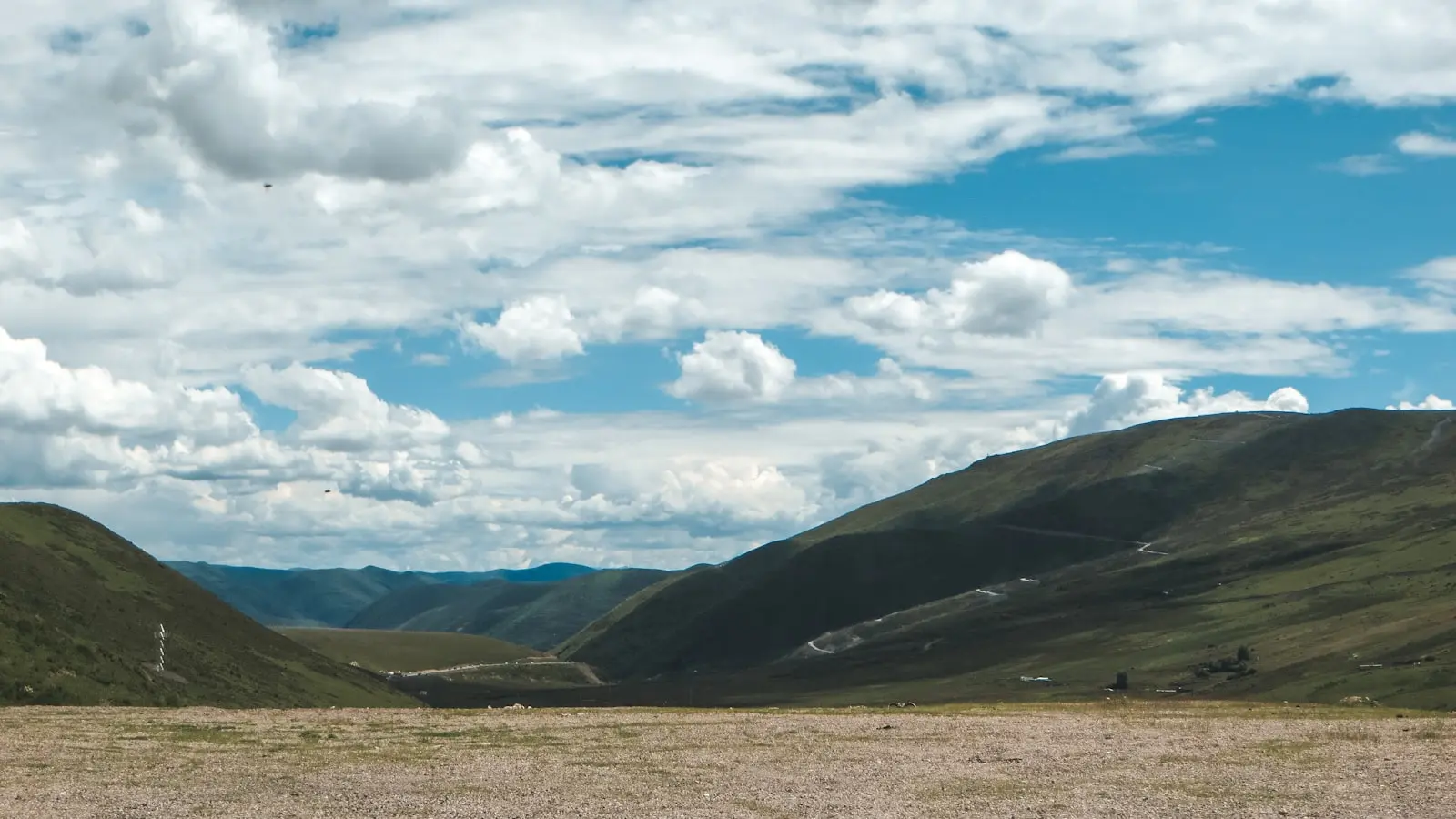

The Dinaric Alps, once considered a reliable landscape for researchers and mountaineers, are becoming a theatre of meteorological volatility. Recent data from the International Mountain Research Institute indicates that sudden atmospheric pressure shifts and unseasonal storm fronts are no longer anomalies; they are the new baseline. For those attempting to navigate peaks like Maglić, this translates to a collapse of predictable travel windows. (It is a logistical nightmare.)
Historically, mountain climates followed predictable seasonal cycles. High-altitude trails would remain accessible for specific, documented months. Today, that regularity is dissolving. Frequent, erratic storms are causing trail closures, while changing snowmelt patterns are accelerating erosion in limestone formations that have remained stable for centuries. The structural integrity of the mountains themselves is responding to these shifting thermal profiles.
When global temperatures climb even fractionally, the impact on mountain ecosystems is disproportionate. These regions function as early-warning sensors for the planet. As the freezing level rises, the transition between snowfall and rain shifts, altering the runoff patterns that define the mountain hydrology. This volatility creates a cascading failure for infrastructure. Roads, bridges, and mountain huts designed for traditional weather patterns now face structural stress that exceeds their original engineering specs.
Research expeditions are now regularly stalled by sudden weather resets. An equipment drop that was feasible yesterday becomes a hazard today. Local tourism boards are struggling to reconcile the marketing of these regions as accessible destinations with the reality of an increasingly dangerous environment. The reliance on legacy weather models has become a liability. (Frankly, current safety protocols are woefully outdated.)
Climatologists suggest that the next decade will witness a further intensification of these extreme weather events. The frequency of high-wind events and rapid-onset storm systems is projected to increase, placing a heavier burden on regional governance to provide accurate, real-time data to anyone entering high-altitude zones. The standard “check the forecast” advice is no longer sufficient when local microclimates can shift in minutes.
To manage this risk, experts are pushing for three critical shifts in mountain management:
- Advanced Early Warning Systems: Integrating high-resolution satellite data with localized sensor networks to provide micro-climate alerts.
- Adaptive Infrastructure: Re-evaluating the physical resilience of trails and shelters to withstand increased erosion and flash-flooding.
- Dynamic Risk Communication: Replacing static seasonal maps with real-time digital updates that account for immediate atmospheric instability.
Ultimately, the mountains are not merely closing their doors; they are changing their character. For the traveler or the scientist, the assumption of control must be surrendered. Adaptation is the only remaining strategy. The volatility seen in the Dinaric Alps serves as a microcosm for a global trend—the collapse of the stable, predictable environment that defined human exploration for generations. The cost of this instability is measured in canceled projects, strained rescue resources, and a necessary, difficult reassessment of how humanity interacts with the high-altitude world.