The Short Answer on Travel Vaccinations for Baku Old City
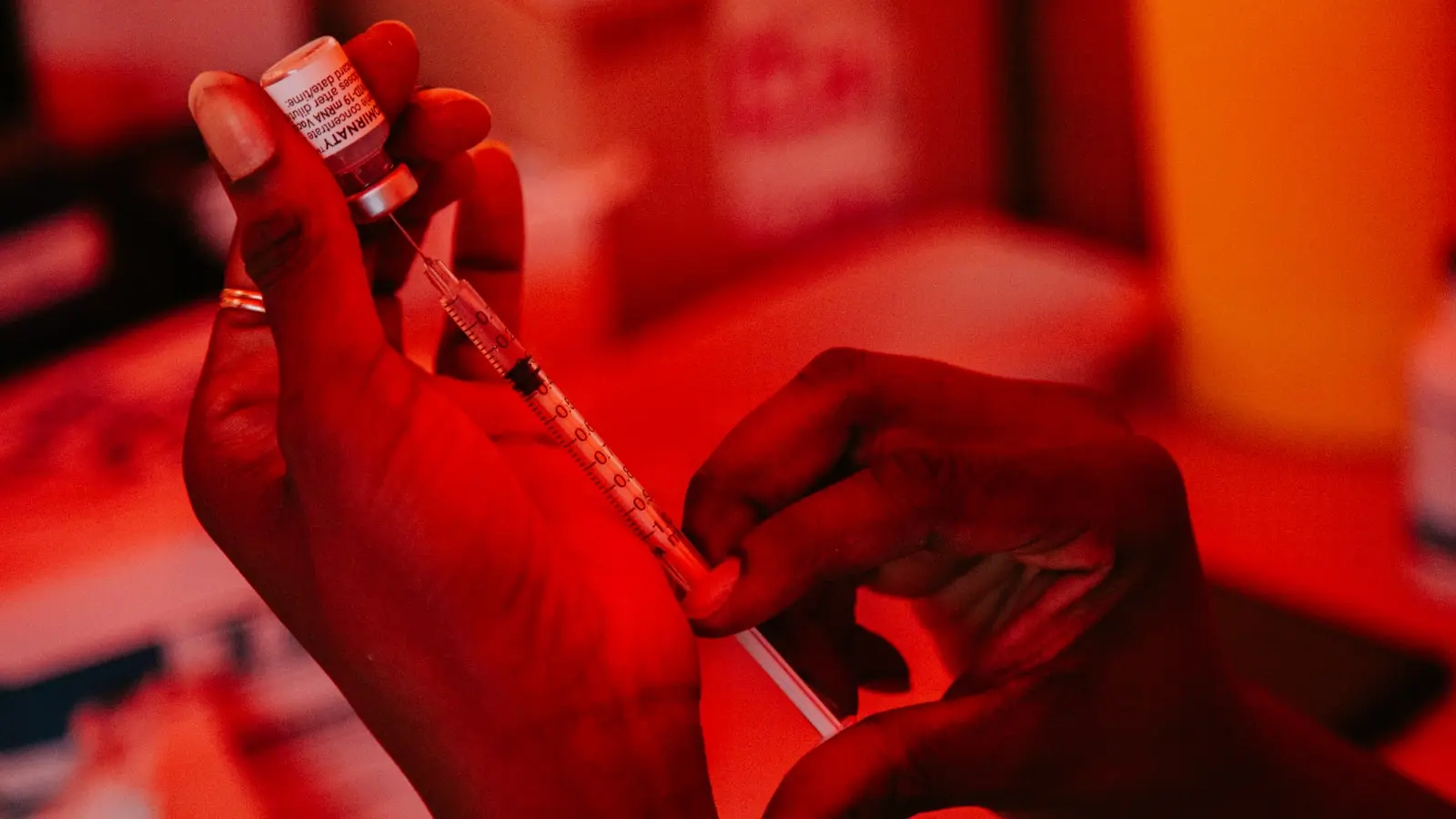
A trip to Baku Old City does not require exotic immunizations, but standard travel health protocols apply. The Centers for Disease Control and Prevention (CDC) and the World Health Organization (WHO) recommend that all travelers ensure routine vaccines are current: MMR (measles-mumps-rubella), diphtheria-tetanus-pertussis, varicella (chickenpox), and polio. In addition, hepatitis A and typhoid vaccines are strongly advised for most visitors, especially those who plan to eat street food or drink tap water. Rabies pre-exposure prophylaxis is not routinely indicated for urban Baku, but a risk assessment is warranted for travelers who may have close contact with animals. The Reddit community discussing a week in Azerbaijan praised the Old City’s beauty and modernity but offered no specific health guidance—leaving a gap that evidence-based medicine must fill. (Frankly, Reddit is not a reliable source for immunization schedules.)
Routine Vaccines: The Non-Negotiable Baseline
Before any international travel, the CDC states that travelers should be up to date on routine vaccinations. This is not negotiable. For Baku, the standard list includes MMR (two doses for adults born after 1957), a Tdap booster every 10 years, varicella for those without evidence of immunity, and polio (adults who completed the childhood series need a one-time booster if traveling to endemic areas—Azerbaijan is considered a polio-free country, but the booster ensures full protection). These vaccines are widely available and inexpensive. (Most primary care physicians can administer them.) The science behind routine immunization is robust: herd immunity reduces the risk of outbreaks, and the traveler becomes a vector for disease if unvaccinated. A pre-travel health visit 4–6 weeks before departure allows enough time for these shots to take effect.
Hepatitis A: A Clear Recommendation
Hepatitis A is transmitted through contaminated food and water. In Azerbaijan, the virus circulates at an intermediate level. The CDC notes that even in upscale hotels in Baku, food handlers may inadvertently introduce the virus. The vaccine is safe, highly effective (95% seroconversion after one dose), and provides long-lasting immunity. The Reddit thread about Baku Old City did not mention hepatitis A, but the risk remains. (Why take the chance?) The vaccine is a single dose with a booster at 6 months, but even one dose offers protection within 14–21 days. For a week-long trip, that is sufficient.
Typhoid: A Conditional Recommendation
Typhoid fever, caused by Salmonella Typhi, is another food- and water-borne illness. The recommendation for typhoid vaccine depends on travel style. If you plan to eat at street stalls in the Old City or drink tap water (not advisable), the risk is moderate. If you stay at international hotels and eat at sit-down restaurants, the risk drops. The oral live attenuated vaccine (Vivotif) requires four capsules over a week; the injectable Vi polysaccharide vaccine is a single shot. Both are around 50–80% effective. (Not perfect, but every percentage point matters.) The CDC lists Azerbaijan as a country with sporadic typhoid transmission. For a short urban visit, the decision is shared decision-making with a travel medicine specialist. The Reddit community did not address this nuance—another reason to consult a professional.
Rabies: Urban Low Risk, But Context Matters
Rabies is present in Azerbaijan, primarily in rural areas among stray dogs and bats. In Baku’s Old City, the risk of an animal bite is low. The CDC notes that urban rabies cases are rare. However, travelers who will interact with animals (e.g., visiting animal shelters, cycling on rural roads outside Baku, or hiking) should consider pre-exposure prophylaxis. The vaccine series (three doses) is expensive and may not be necessary for a standard week in the city. The key point: if bitten, prompt post-exposure treatment is essential, but vaccines and immunoglobulin may be difficult to obtain in Azerbaijan. (The embassy can help, but time is critical.) The Reddit discussion focused on aesthetics, not this risk. So the evidence says: assess your activities. If you plan to stick to the cobblestone streets of Icherisheher (the Old City), rabies vaccine is not indicated.
Malaria: Not in Baku, But Nearby
Malaria transmission in Azerbaijan is very low. The CDC classifies the country as having no malaria in urban areas, including Baku. However, rural areas near the southern border (with Iran) and in the Lankaran region may have seasonal Plasmodium vivax malaria. For a trip exclusively to Baku Old City, malaria prophylaxis is not recommended. The Reddit users did not mention rural excursions, but if you plan to venture into the Caucasus mountains, consult a specialist about atovaquone-proguanil or doxycycline prophylaxis. (Again, 4–6 weeks lead time is needed to obtain medication and assess suitability.)
Managing Risks Beyond Vaccinations
Vaccines are only one layer of defense. Safe food and water practices remain critical. In Baku, tap water is not considered safe for drinking. The CDC advises using bottled or boiled water, even for brushing teeth. Avoid ice cubes unless made from purified water. Street food in the Old City is popular, but ensure it is cooked thoroughly and served hot. (Hepatitis A and typhoid vaccines reduce severity but do not eliminate risk.) Insect repellent with DEET (20–30%) protects against mosquito-borne diseases like West Nile virus, though the risk in Baku is negligible. Hand hygiene with alcohol-based sanitizer is a simple, effective measure. The Reddit thread did not discuss any of this, which is a typical oversight in forums. The traveler must integrate multiple strategies.
The Importance of Pre-Travel Consultation
Every Reddit commenter that touched on health advice emphasized one thing: see a travel medicine specialist 4–6 weeks before departure. This is not a suggestion; it is standard of care. A specialist can review your medical history, check for contraindications (e.g., egg allergy for yellow fever vaccine—not relevant here but illustrative), and tailor recommendations to your itinerary. For a week in Baku Old City, the consultation is brief but essential. The visit ensures all routine vaccines are documented, hepatitis A and typhoid are administered if needed, and rabies risk is discussed. (It also provides a chance to address other concerns like altitude sickness if you plan to visit the nearby Caucasus mountains, though Baku itself is at sea level.) The cost is modest relative to the peace of mind. (Frankly, skipping this step is a gamble that does not align with evidence-based travel health.)
Conclusion: Evidence-Based Preparation for a Memorable Trip
Baku Old City is a safe, modern destination—the Reddit praise is justified. But safety in travel health is not about perceived quality of the destination; it is about pathogen exposure risk. The evidence from the CDC and WHO is clear: routine vaccines, hepatitis A, and typhoid are the pillars of preparation. Rabies and malaria are not immediate concerns for a typical urban visit, but must be evaluated on an individual basis. The Reddit community chat provided no actionable health data, so relying on it would be a mistake. Instead, follow the proven path: schedule a travel medicine appointment, get your shots, practice food and water hygiene, and enjoy the stunning architecture of the Old City. (That is the only recommendation that should stand.)