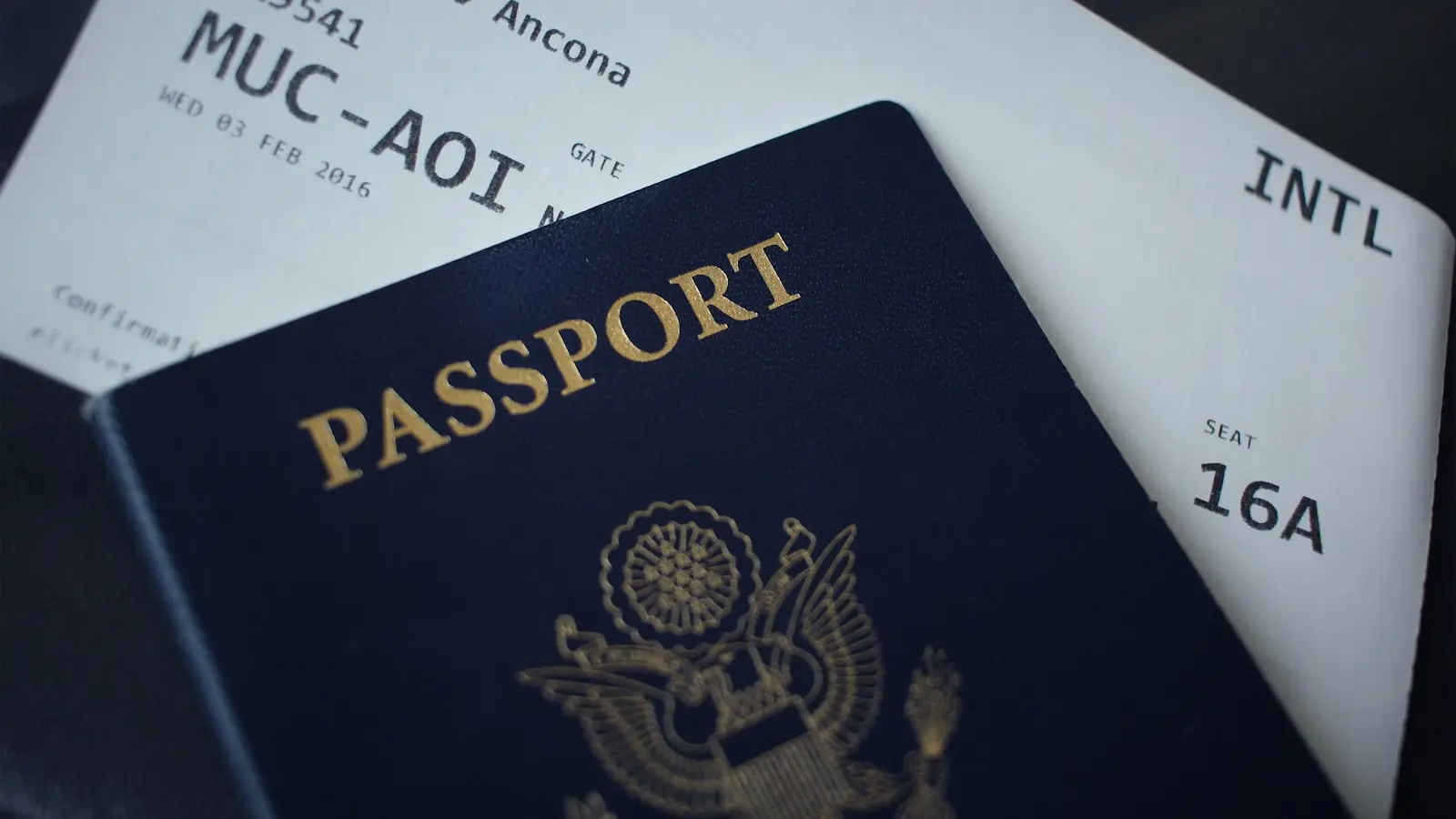
A travel insurance points trip can be worth insuring, but usually not because an insurer will repay the expensive cash fare of an award flight. The stronger reason is protection for unrecoverable cash expenses and in-trip risks: taxes, carrier fees, redeposit charges, prepaid lodging and tours, medical care, evacuation, and disruption costs.
The key distinction is between an award ticket’s public cash price and your actual financial loss. Points may have unlocked a seat selling for thousands of dollars, but that fare is not automatically an insured trip cost. Before buying coverage, compare the policy certificate with the cancellation rules for your airline, hotel, and credit card.
Key Takeaways
- Travel insurance often focuses on prepaid, nonrefundable cash expenses, not the estimated cash value of airline miles or points.
- Taxes, fees, and a points-redeposit charge may be covered in some circumstances, but only if the policy wording and cancellation reason qualify.
- Trip delay, baggage, emergency medical, and evacuation benefits can matter even when the flight itself was booked almost entirely with points.
- Credit card trip protection may apply when award-ticket taxes are charged to an eligible card, but the payment requirement varies by card and jurisdiction.
- Insure documented cash exposure and risks you cannot comfortably self-fund; do not assume a policy will replace points or scarce award availability.
Start With the Loss You Could Actually Have
An award itinerary is rarely a completely free trip. Even when flights are booked with airline miles, you may still pay government taxes, airport charges, carrier-imposed fees, seat assignments, or other cash amounts at checkout.
The larger exposure may sit elsewhere in the itinerary. Nonrefundable hotel nights, rail passes, cruise deposits, tours, rental arrangements, airport transfers, and event tickets can create a meaningful loss if a covered event prevents you from traveling.
For example, a traveler might use points for long-haul flights but pay cash for a week of lodging and prepaid excursions. If a covered illness forces a cancellation, the lodging and excursions may be the primary financial loss—not the retail price of the award flight.
Award bookings can also involve program-specific costs. Depending on the supplier and reservation, cancellation, change, reinstatement, or points-redeposit fees may apply. Those rules can vary by airline or hotel program, route, fare type, booking channel, and membership status. Check the terms attached to your exact reservation instead of relying on general assumptions.
There is also a real but usually uninsured loss: scarce award availability. A premium-cabin award seat on a specific date may be difficult to recreate after cancellation, even if the points return to your account. Travel insurance generally cannot restore the same seat, itinerary, or redemption opportunity.
The practical step is to separate cash loss from inconvenience. List every prepaid, nonrefundable cash expense, then add any cancellation or redeposit charges. That total is a more useful starting point than the airline’s advertised cash fare.
How Award Travel Insurance Usually Treats Points, Taxes, and Fees
Travel insurance commonly centers on an insured trip cost, often defined as prepaid and nonrefundable trip expenses. In plain language, the insurer generally looks for money you paid that cannot be recovered when a covered event forces you to cancel or change plans.
That is why airline miles, hotel points, and transferable credit card points may be treated differently from cash. Many standard policies do not assign a reimbursable cash value to loyalty currency. A traveler may have received excellent value from a redemption, but the insurer may not consider the points an out-of-pocket expense it can repay.
For an award reservation, coverage often comes down to three separate questions:
- Taxes and fees: Paid, nonrefundable taxes and fees may qualify as eligible expenses if the cancellation reason is covered.
- Redeposit or rebanking fees: Some policies may address a stated fee to return points or miles to an account, but coverage varies by plan.
- The points themselves: The policy may not replace them or reimburse an estimated cash value.
The airline, hotel, and insurer are deciding different issues. The loyalty program determines whether points return to your account and whether it charges a fee. The insurer determines whether a documented fee or cash payment meets the definition of covered trip cost.
A traveler who cancels an award flight because of a covered medical event may have miles returned under the airline’s own rules. The insurer might reimburse eligible nonrefundable taxes and, if the certificate allows it, a qualifying redeposit fee. That does not mean it will pay the cash price of the ticket or compensate for a lost redemption opportunity.
Coverage also depends on why you cancel. A policy does not usually turn a change of mind, an ordinary schedule adjustment, or a foreseeable event into a covered claim. Definitions, exclusions, timing requirements, and documentation requirements matter. The policy certificate—not a marketing summary—controls.
Match the Benefit to the Risk
Trip cancellation is only one part of the award travel insurance decision. A points trip may have limited cancellation exposure before departure while still carrying substantial risks after you leave home.
Trip cancellation may reimburse eligible prepaid, nonrefundable expenses when you must cancel before departure for a covered reason. On an award trip, this commonly means focusing on cash taxes, fees, and prepaid arrangements rather than assuming a value for the points used.
Trip interruption may apply after departure when a covered event cuts a trip short. It can help with eligible unused arrangements or necessary additional transportation, subject to the policy terms. Treatment of an award flight can differ from treatment of a cash ticket, so review the certificate carefully.
Trip delay can help when a qualifying disruption leaves you stranded. Depending on the policy, it may reimburse eligible meals, lodging, and local transportation after a required delay period. Save receipts and carrier notices, since these benefits typically rely on documented expenses and a qualifying cause of delay.
Baggage and baggage delay coverage can matter even when the flight cost very little. Review item limits, exclusions, reporting deadlines, depreciation rules where applicable, and the documents needed to support a claim. A headline benefit amount matters less than whether it fits the belongings you carry.
Emergency medical and evacuation coverage may be the strongest reason to consider separate coverage for an international points trip. A nearly free flight does not reduce the potential financial or logistical impact of illness, injury, or transport from a remote destination. Existing health coverage may provide limited protection abroad, while evacuation benefits can have strict conditions, limits, and coordination requirements.
Optional upgrades, including Cancel For Any Reason coverage, require especially close reading. They may have purchase deadlines, eligibility rules, partial-reimbursement terms, and restrictions. They are not a blanket solution for uncertain plans.
Check Credit Card Trip Protection Before You Buy Separate Coverage
Credit card trip protection can fill important gaps, but owning a card does not automatically activate coverage. Benefits commonly depend on how the trip was paid, who is traveling, what expenses are involved, and the current terms for the specific card.
For an award booking, the critical question is whether paying only the taxes and fees with the card meets its qualifying payment requirement. Some card programs may recognize an eligible award booking when associated taxes or fees are charged to the card. Others may use different language or impose additional conditions. Verify the current benefits guide for your exact card and jurisdiction before relying on it.
Compare card coverage and a standalone policy across these areas:
- Cancellation and interruption limits, eligible expenses, and covered reasons.
- Delay and baggage benefits, including the qualifying delay period and required documentation.
- Medical and evacuation coverage, which may be absent, secondary, limited, or subject to restrictive terms.
- Eligible travelers, including whether companions and family members are included.
- Payment rules, claims procedures, exclusions, and coordination with other coverage.
Having more than one policy does not usually produce double reimbursement. If a card benefit and standalone plan both apply, claim administrators may coordinate benefits, and you generally cannot recover more than the covered loss.
Card coverage may be sufficient for a flexible domestic award trip with little cash at risk. Separate coverage can be more useful when you have major prepaid costs, international medical exposure, weak existing protection, or disruption expenses you could not comfortably absorb yourself.
A Practical Buy-or-Skip Checklist for a Points Trip
Consider separate award travel insurance when you have substantial prepaid, nonrefundable cash costs beyond the award ticket. It can also make sense when a covered cancellation could trigger meaningful redeposit or change charges, when you are traveling internationally, or when card benefits leave material gaps.
Separate coverage may add less value when flights and lodging are broadly refundable, points return with little or no penalty, and your only cash exposure is a small refundable tax charge. The same may be true when your health coverage, credit card trip protection, and emergency savings genuinely address the risks of the trip.
Before comparing policies, gather:
- Award confirmations showing points used, taxes, fees, and payment method.
- Airline and hotel cancellation, redeposit, reinstatement, and points-expiration rules for the reservation.
- Receipts for prepaid, nonrefundable lodging, tours, transport, cruises, rentals, and tickets.
- The current benefits guide for the exact credit card used.
- The policy certificate, schedule of benefits, definitions, exclusions, and claim conditions for every quote.
- Details of existing health coverage, destination-specific needs, and emergency contact information.
Then ask one practical question: what loss would hurt most if the trip changed tomorrow or went wrong after departure? Insure the documented cash exposure and the risks you cannot reasonably self-fund. Do not insure an assumed cash value for your points unless the certificate expressly provides that benefit.
FAQ
Does travel insurance reimburse airline miles or credit card points used for an award flight?
Often, standard policies do not reimburse a cash value for airline miles, hotel points, or transferable points. Terms vary, so review the certificate for language about frequent-flyer awards, miles, points, and eligible trip costs.
Can travel insurance cover taxes, fees, or point redeposit charges on a canceled award ticket?
It may. Paid, nonrefundable taxes and fees can sometimes qualify as eligible expenses, and some policies may address a qualifying redeposit or rebanking fee. Coverage depends on the cancellation reason, supplier refund rules, policy wording, exclusions, and documentation.
Does paying award-ticket taxes with a credit card activate credit card trip protection?
Possibly, but it is not automatic. Check the current benefits guide for your exact card to confirm the payment requirement, eligible travelers, covered booking types, and whether award-ticket taxes and fees charged to the card qualify.