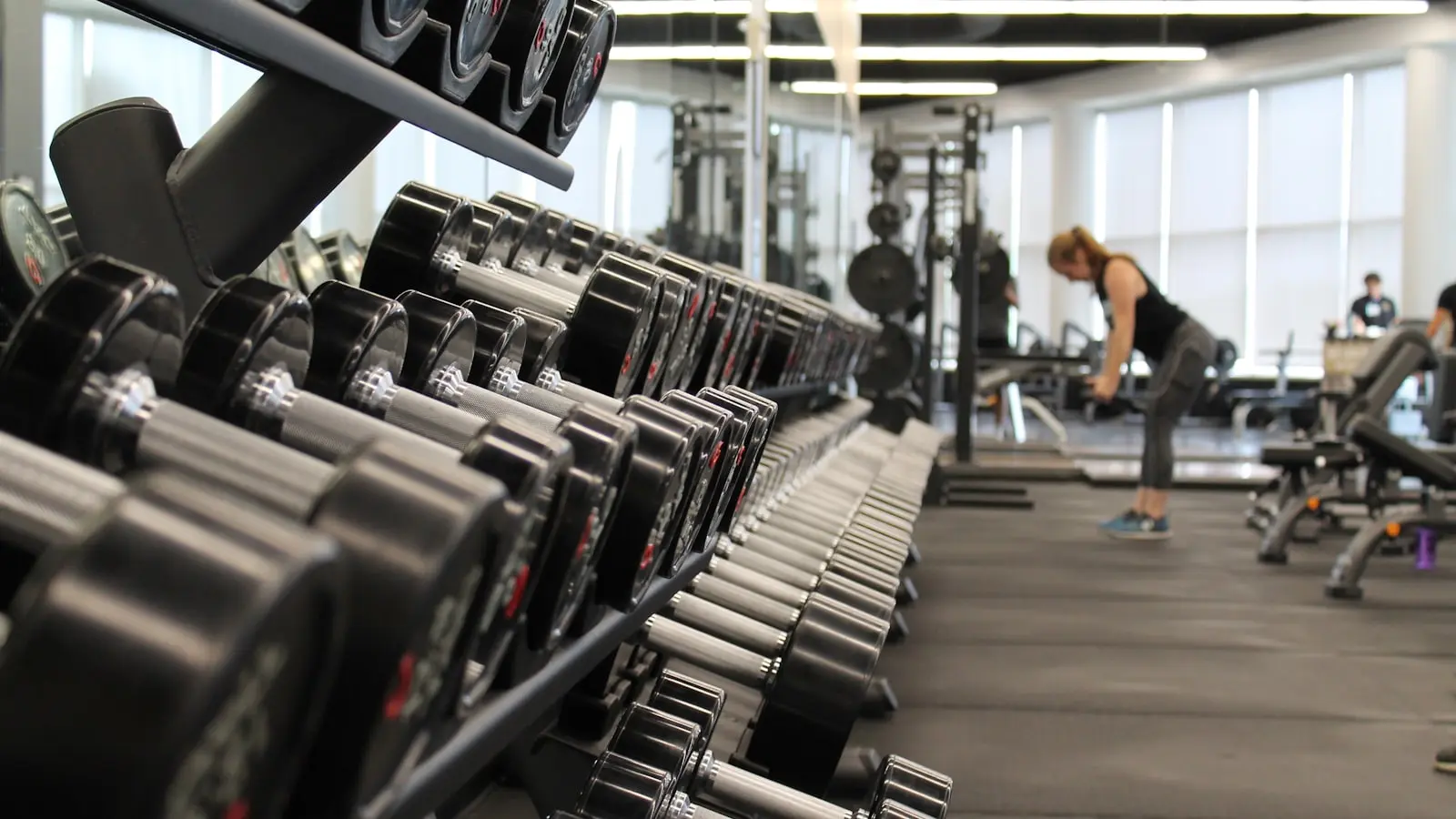

The Los Angeles fitness economy officially abandoned the pursuit of aesthetic starvation. Market analysts tracking commercial lease developments note a radical overhaul in gym blueprints across the county. The cardio theater era sits dead in the water. The new currency of movement demands structural resilience. When urban professionals stare down decades of keyboard-induced muscular atrophy, the demand curve shifts violently toward load-bearing longevity. Bone density overtakes cosmetic symmetry. (Frankly, mirror-focused training belongs in the previous decade)
A 2024 biological study models the deceleration of cellular aging through ninety minutes of weekly resistance training. This data materializes across Los Angeles not as abstract science, but as physical infrastructure. Facilities tear out rows of stationary bicycles to lay down reinforced rubber flooring. They install heavy iron. They build communities around friction.
Industrial Reclamations and Open-Air Iron
The transition from cosmetic fitness to structural durability requires an overhaul of the physical spaces where humans gather to maneuver heavy loads. At Deuce Garage in Venice, an abandoned auto-body shop on Lincoln Boulevard dictates the behavioral psychology of the athletes within it. The structure sprawls across concrete and outdoor asphalt. Athletes grip jungle-gym bars and drag weights through the coastal air. The facility enforces broad-based strength parameters utilizing strongman equipment and Olympic weightlifting protocols. The elements remain uncontrolled. Athletes push limits.
Culver City’s SixPax Gym shares this mechanical lineage. Owners transformed a derelict auto shop into a garage-style training facility where garage doors pull back to expose giant tires to the open sun. Sledgehammers strike rubber. Equipment carries the patina of age. The architectural decision to retain the grit of the original structure strips away pretension. (Industrial authenticity cannot be purchased) The space demands work.
The Soft Architecture of High Tension
Corporate fitness models historically rely on intimidation to sell personal training packages. Independent female-owned spaces dismantle this barrier through interior design. Pwrgrls in Sherman Oaks weaponizes aesthetics to recalibrate the weightlifting experience. Bubblegum-branded barbell plates and rattan pendant lamps frame an environment explicitly designed for progressive strength training. The visual lightness of the room contrasts with the heavy compound lifts executed on the floor.
Babes of Wellness in Compton engineers a similar psychological shift. The facility merges strength conditioning with the sensory environment of a restorative sanctuary. Incense burns near velvet couches. Pride flags hang from the ceiling. Reggaeton vibrates through the sound system. The space explicitly rejects the ammonia-soaked aggression of traditional powerlifting gyms. Instructors integrate nervous system regulation into physical exertion. (Does aesthetic warmth soften the iron? No, it simply invites more people to lift it)
Gluteology in Glendale addresses a specific biomechanical deficit in commercial gym equipment. Manufacturers historically engineer machines for average male proportions. This facility installs fifty specialized machines calibrated specifically for female biomechanics. The architecture targets hypertrophy through precision rather than brute force. Athletes lock into adjustable rigs that maximize mechanical tension without wasting time on awkward setups. The focus narrows. Results compound.
The Mechanics of Time and Temperature
The Strength Code in Burbank manipulates time to force muscular adaptation. The facility employs the SuperSlow method. Athletes operate specialized MedX and Nautilus machines, pushing heavy loads at a glacial pace until muscles reach total mechanical failure. The methodology eliminates momentum. It removes joint impact. Moving two hundred pounds of steel at a slow crawl requires absolute neurological focus. The environment remains silent and controlled.
At Rodeo Athletic Club in Silver Lake, operators integrate thermodynamic recovery directly into the training cycle. Athletes cycle through fundamental functional movements over twelve-week blocks. They increase volume and speed. Afterward, they transition into contrast therapy rooms. The physiological shock of a thirty-eight-degree ice bath followed by a cedar sauna forces vascular constriction and dilation. (Biological stress creates biological resilience) The body repairs itself.
The Phoenix Effect in Fairfax borrows periodization architecture from professional athletic programs. Operators rotate functional movements based on specific sports every six weeks. Athletes establish baseline metrics for mechanical failure thresholds, train the movement pattern, and retest. This protocol prevents neurological adaptation and physical plateaus.
Suburban Strongholds and Community Hubs
Macro-economic shifts in the fitness industry often ignore the localized hubs holding neighborhoods together. The WellRock in Altadena survived the Eaton Canyon fires that consumed neighboring commercial structures. The 1,800-square-foot open floor relies exclusively on high-quality barbells and rigs. Space constraints force a return to fundamental human movement. Athletes pull, push, and squat. The operators know every member. The gym operates as a social anchor.
Rose City Barbell in Pasadena scales the powerlifting experience for absolute beginners. Operators stock fractional plates weighing a quarter of a pound alongside specialty barbells. This equipment inventory democratizes progressive overload. A gallery owner lifts alongside a mechanic. The intimate class caps force social interaction between sets. (Isolation fails where community thrives)
Sealey Strength in Monrovia strips away the boutique facade to focus on raw athletic output. The facility utilizes massive industrial ceiling fans to circulate air across dozens of rigs. Coaches break down complex Olympic movements into digestible mechanics. Front squats stop intimidating newcomers when the structural cues become clear.
Mission Fitness Center in Alhambra occupies a massive ten-thousand-square-foot warehouse formerly used for vending machine distribution. Operators installed heavy plumbing and mezzanine floors to support intense traffic. The facility categorizes equipment strictly by utility. Hollow plastic technique plates allow beginners to master barbell paths before adding mass.
Vintage Biomechanics and Legacy Steel
Modern fitness equipment prioritizes digital screens over mechanical perfection. The legacy bodybuilding facilities of Los Angeles reject this technological intrusion. Dave Fischer’s Powerhouse Gym in Torrance occupies twenty-five thousand square feet of industrial space. Vintage magazine covers line the walls. Soundproof mats absorb the seismic shock of heavy plates striking the floor. The facility categorizes equipment by muscle group, creating an architectural flow chart for hypertrophy. Hand-written signs enforce strict racking rules. (Discipline maintains the ecosystem)
South Bay Strength Company in Harbor City actively courts the noise commercial gyms prohibit. The facility houses rare, chain-driven vintage machines from the mid-twentieth century. Custom-made shrug handles and Pit Sharks accommodate athletes pulling massive loads from the floor. Chalk dust coats the air. The acoustics of dropped weights echo through the space. The environment serves as a functional archive of physical culture.
At Iron Addicts Gym in Signal Hill, murals of comic book heroes overlook turf and iron. The facility operates with a blunt, unapologetic intensity. Members push loaded prowlers across the floor and execute strict curls against the wall. The space demands maximum effort. The iron remains indifferent to excuses.
Urban Density and Interval Precision
In high-density zones, real estate costs force gyms to maximize floor efficiency. Movement Society in the Downtown Arts District utilizes skylights and exposed beams to create a calming envelope around heavy lifting. Dumbbells and kettlebells sit in strict geometric organization. The facility targets creative professionals seeking structural balance against the physical toll of their labor.
Indigo Fitness maximizes a narrow Silver Lake strip mall footprint by fusing cycling output with functional strength training. A dark room bathed in purple light shifts the psychological state of the athlete. The space proves that raw square footage matters less than programming density.
Lift Society in Santa Monica engineers the group fitness model to mimic personal training. The floor plan assigns each athlete a dedicated rack. This eliminates equipment wait times and spatial confusion. Instructors cue precise abdominal bracing techniques while athletes execute pendlay rows. Efficiency rules the floor.
PRVL Fitness in Encino merges interval training with nightclub acoustics. Neon lights wash over the turf. The programming segments work into ten-minute blocks, rapidly oscillating between high-bearing loads like sumo deadlifts and cardiovascular bursts. Recovery stations featuring infrared saunas and compression boots sit directly adjacent to the training floor. The space understands the required ratio between damage and repair.
LM Fitness Center in Atwater Village proves that old-school neighborhood gyms can successfully adapt to modern demands. The facility integrates semi-private training programs away from the main floor. The architecture allows beginners to build confidence in shadowed, mood-lit rooms before stepping out into the open lifting areas.
The physical landscape of Los Angeles reflects a broader awakening. The human body requires resistance to maintain its structure. The spaces designed to provide that resistance vary from neon-lit corridors to rust-stained garages. The aesthetic differences mask a singular, undeniable truth. Gravity wins eventually. The iron simply buys us time.