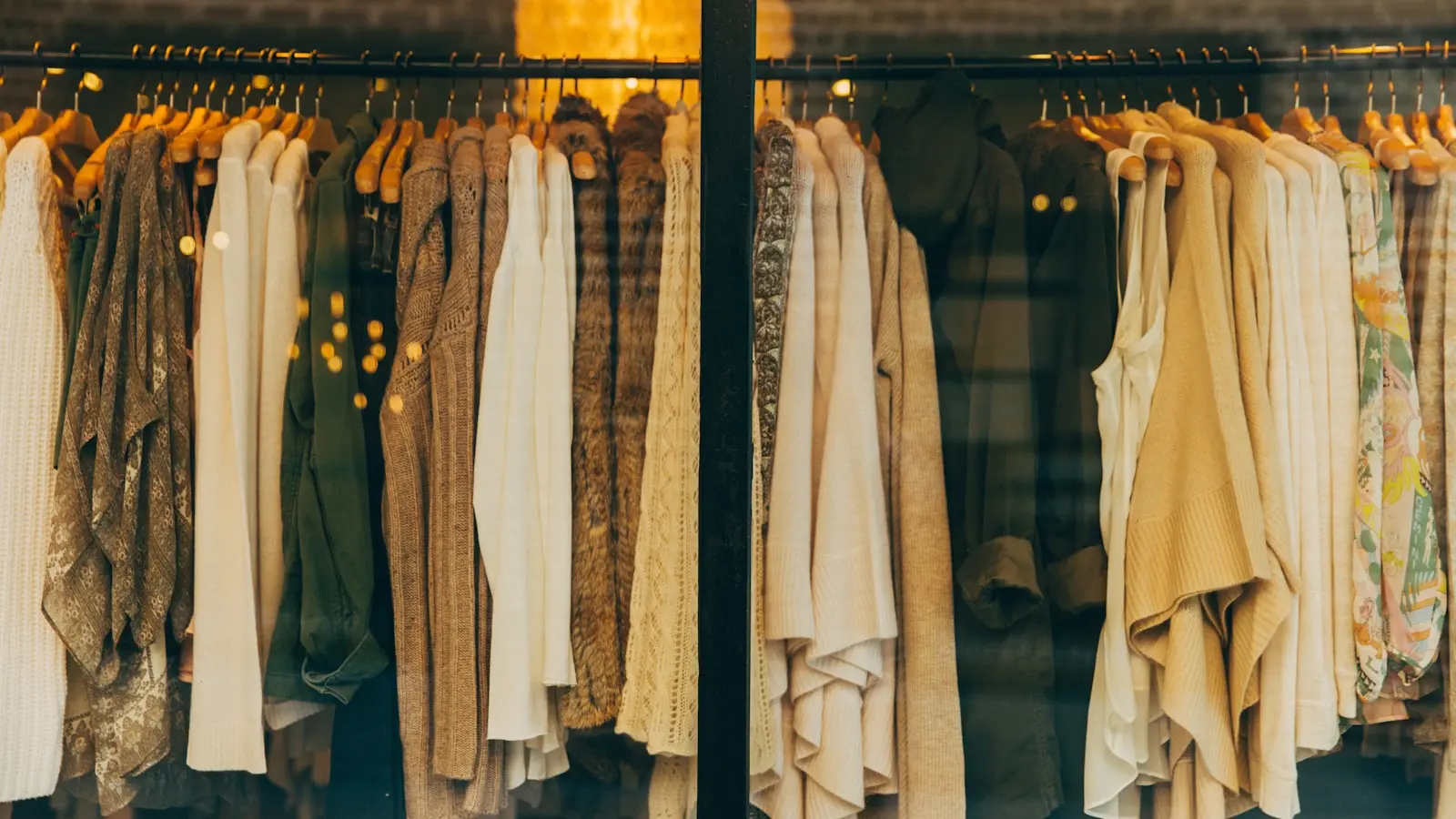

A certain quiet hum emanates from the corner of Beverly Drive, a frequency of culture and commerce amplified by its proximity to the organic temple of Erewhon. Here, the blueprint for the 2026 lifestyle brand reveals itself not in a press release, but in the ambient scent of a signature fragrance mingling with the mineral tang of artisanal salt. Jennifer Fisher’s new Beverly Hills outpost is less a store and more a physical sensorium, a tangible argument for a new kind of retail. The space feels considered, calm. It is a worldview you can walk into.
Inside, the traditional hierarchies of product collapse. An entire section is devoted to salt. Not just a token grocery item, but a monolithic display of Fisher’s own branded Universal Salt, flanked by its spicier, earthier, and more complex siblings. Nearby, sterling silver chains designed for a new male clientele catch the light, their cold precision a counterpoint to the organic warmth of cashmere beanies. A cookbook, Trust Your Gut, sits with the weight of a manifesto. This is not diversification for its own sake. It is the architecture of a universe, where every object, from a seasoning to a scent, is an artifact of a single, curated perspective.
The Architecture of Influence
The model Fisher is building operates on a simple, yet powerful, premise: the ultimate product is not an item, but a point of view. The jewelry that built her name was the entry point, an adornment for the body. The expansion into fragrance, food, and home goods is an adornment for the life itself. This strategy erases the lines between creator, curator, and consumer. Design shapes behavior. Here, the design of a brand shapes the very palate and personal space of its audience.
The physical store acts as a gallery for this perspective, but its true function is as an anchor for a sprawling digital ecosystem. Fisher’s role as a Shopmy influencer, for instance, transforms her personal style into a direct-to-consumer channel, monetizing her judgment with an efficiency that traditional retail can only envy. Her appearances on podcasts, like a recent conversation with Martha Stewart, are not marketing tours; they are cultural depositions, establishing her authority in the culinary space. Collaborations with brands like Lalo Tequila or the development of her cooking website, Maedyn, are not mere brand extensions. They are strategic annexations of adjacent cultural territories. The entire operation is a meticulously cross-platformed ecosystem of taste.
From Adornment to Algorithm
This evolution marks a fundamental shift in brand identity. Fisher’s origins as a celebrity jeweler provided a specific kind of validation, one tied to the public figures who wore her pieces. The 2026 iteration of the brand seeks a deeper, more personal validation from its customers. It moves beyond the external signal of a necklace to the internal experience of a perfectly seasoned meal. The brand is no longer just on you; it is in you. (A remarkably intimate proposition.)
This integration is the core of the modern lifestyle playbook. The men’s sterling silver line is not just about capturing a new demographic. It signals that the brand’s aesthetic principles are universal, applicable across genders. The upcoming eyewear collection will literally frame how its customers see the world. Every product is a node in a network, reinforcing the central thesis: trust this filter. Trust this taste. The brand becomes an algorithm for living, processing the endless noise of consumer choice into a clear, aspirational signal.
The Currency of Location
One cannot overstate the significance of the store’s physical address. Placing a brand steps from Erewhon is a declaration of intent. It is a strategic alignment with the epicenter of aspirational wellness culture. Erewhon is not just a grocer; it is a cultural institution, a membership club for those who subscribe to a certain philosophy of living that is both health-conscious and status-aware. By proximity, the Jennifer Fisher brand inserts itself directly into that conversation. The location itself becomes a form of media, a non-verbal endorsement that connects her curated salts and silver to a pre-existing, high-value mindset.
This is the new retail logic. The flagship store is not principally a point of transaction. It is a destination for immersion, a temple where the brand’s ethos can be experienced in three dimensions. In a world saturated by digital feeds, the physical space provides texture, scent, and weight. It makes the abstract concept of a “lifestyle” undeniably real. It offers proof of concept.
The blueprint is clear. The successful brand of the near future will not simply sell products. It will sell a complete, coherent, and desirable system for living, curated by a singular, trusted voice. It will seamlessly integrate content, commerce, and community, using physical outposts as cultural embassies for its digital nation. It is an all-encompassing, sensory-driven ecosystem. And it demands your complete trust.