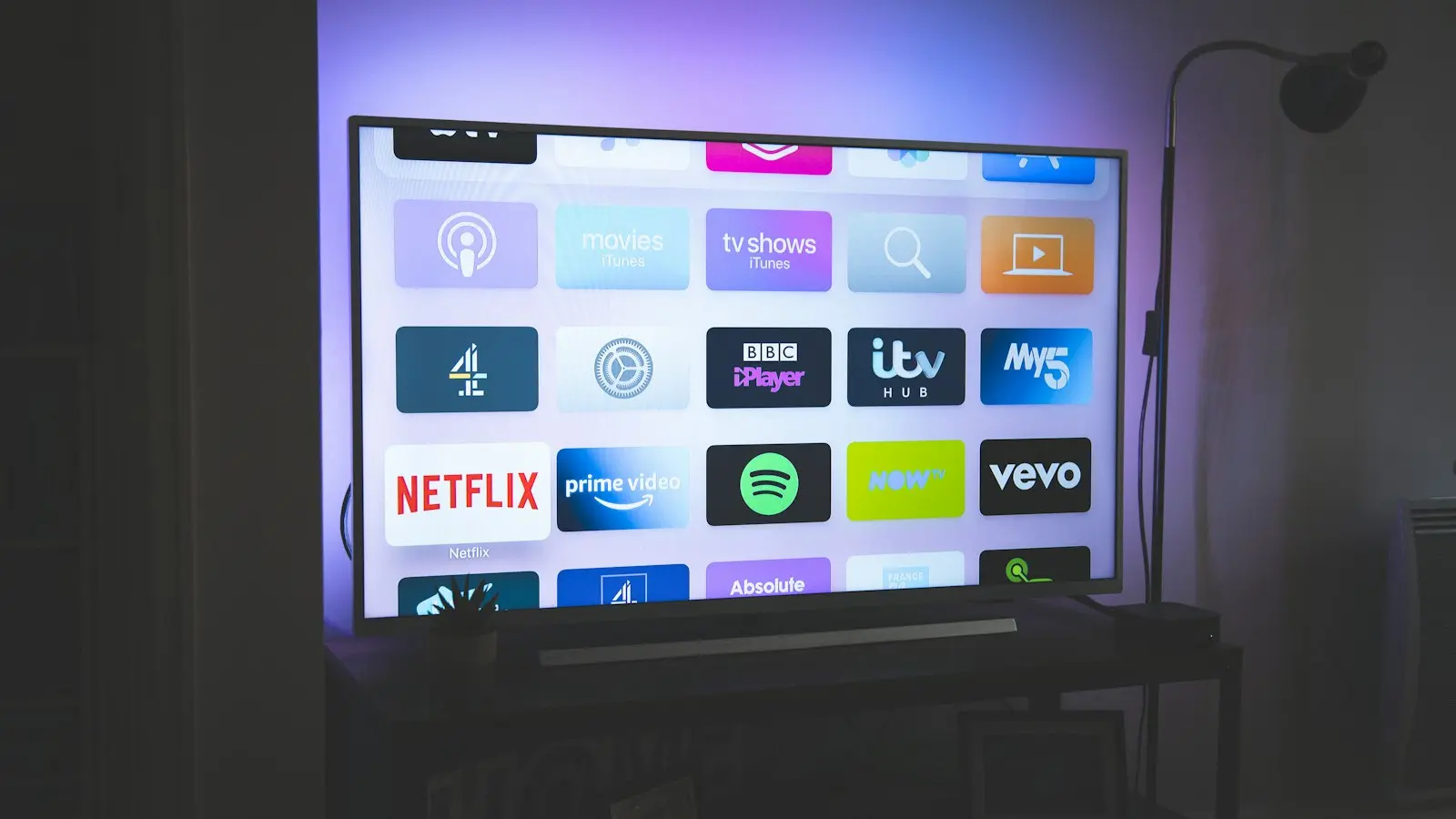
A streaming disclaimer can help a producer or platform argue that a reasonable viewer understood a program as fiction, but it is not automatic immunity from a defamation lawsuit. Courts may consider the disclaimer’s wording and prominence alongside the program’s dialogue, trailers, interviews, publicity, platform descriptions, recognizable characters, and overall presentation.
The legal result also depends on the jurisdiction and the specific claim. A complaint is an allegation, not proof that defamation occurred, and the existence of a lawsuit does not establish that the claimant will prevail. The practical question is usually not whether one sentence exists, but what message the production communicated as a whole.
Key Takeaways
- A fiction disclaimer may influence how a reasonable viewer interprets a program, but it does not guarantee dismissal or prevent someone from filing a claim.
- Courts may compare the disclaimer with trailers, interviews, publicity, platform descriptions, episode content, and the production’s overall tone.
- Changing a character’s name may not prevent identification when distinctive details point to a real person.
- Recognition alone is not enough. A claimant may also need to establish a false and defamatory factual implication, publication, fault, harm, and other requirements under applicable law.
- A disclaimer is generally more useful as evidence about audience interpretation than as automatic legal immunity.
What a Streaming Disclaimer Can—and Cannot—Communicate
A disclaimer can shape how an audience is expected to interpret a program. A clear notice stating that a work is fictional may support the position that viewers should not treat every event, character, or conversation as a literal account of real life.
But not all labels communicate the same thing. “A work of fiction” generally signals invention. “Inspired by true events” suggests a looser relationship with reality, while “fictionalized” may tell viewers that real material has been altered. “Based on a true story” can create a stronger expectation that at least some important events, people, or circumstances reflect reality.
The exact language matters because viewers may draw different conclusions from each formulation. A notice stating that characters and events are fictional sends a different message from one that acknowledges real events but says names and details have been changed.
A disclaimer may therefore become evidence about audience interpretation. It can help a producer argue that a reasonable viewer would understand the work as dramatization, artistic invention, or a fictional scenario rather than a factual report. That argument may be relevant at an early stage of a case, during settlement discussions, or at trial, depending on the governing law.
What a disclaimer generally cannot do by itself is erase an identifiable portrayal, transform a factual assertion into opinion, or cure every false and harmful implication. It also cannot necessarily control statements made outside the program. A promotional interview, press release, trailer, or other publicity may communicate a separate message even if the episode contains a fiction notice.
This is why “fiction disclaimer legal protection” is better understood as a question of evidentiary weight and legal context than as a guarantee. The disclaimer may help, but its effect is jurisdiction-specific and fact-dependent.
Why Marketing and Presentation May Matter More Than One Sentence
A court may examine the full presentation of a production rather than isolate the disclaimer. Relevant material can include trailers, thumbnails, platform descriptions, press releases, interviews with cast or creators, publicity copy, opening credits, closing credits, and dialogue within the episodes.
Consider two contrasting presentations. In the first, a program displays a prominent fiction notice before viewing, consistently describes itself as a fictional drama, and uses invented settings and characters. Its marketing does not claim that particular misconduct happened to a specific real person. That context may strengthen the argument that the audience was being offered a fictional story.
In the second, a brief disclaimer appears after an episode begins, while promotional materials repeatedly call the series a true account of a recognizable person’s life. The trailer highlights alleged crimes, betrayals, or professional misconduct as if they were documented events. In that situation, the disclaimer may carry less persuasive force because the surrounding presentation points in the opposite direction.
Marketing can create or reinforce an implied factual message. A platform description that says a character “defrauded investors,” for example, may be read differently from one that says the character “faces accusations of fraud in a fictional drama.” The difference is not automatically decisive, but it illustrates why promotional language can matter.
The source of the statement may also matter. A production company’s own publicity is part of the communication surrounding the work. By contrast, an independent viewer’s interpretation or a third party’s commentary may raise different questions. A platform’s role as distributor does not automatically resolve who made, approved, or published a particular statement.
For that reason, anyone evaluating a TV show legal disclaimer should preserve the exact wording, location, timing, and presentation. A notice in opening credits may be more visible than one buried in platform terms or displayed only after an episode. Visibility alone is not conclusive, but it can affect whether viewers plausibly received the warning.
Fiction, Dramatization, and Implied Factual Claims
The central distinction is often between fictional storytelling and a fictionalized portrayal that viewers could reasonably connect to a real person. Changing a name is not always enough to eliminate that connection. A combination of occupation, location, family relationships, timing, distinctive events, appearance, and dialogue may point toward one identifiable individual.
A character can be fictional in the production’s creative process and still be understood by knowledgeable viewers as representing a real person. Conversely, a character can resemble a public figure without communicating a defamatory factual claim. Identification and defamatory meaning are separate parts of the analysis.
The content of the alleged statement also matters. A scene may be understood as verifiable fact, opinion, parody, metaphor, artistic interpretation, or dramatic invention. A fictional work can still present a detail in a way that appears factual, particularly when it uses specific dates, places, documents, professional titles, or realistic promotional language.
The labels used by a production influence this interpretation but do not settle it. “Inspired by true events” allows substantial invention, yet it may also invite viewers to search for real-world counterparts. “Based on a true story” can imply a closer factual relationship. An expressly fictional presentation may make a claim more difficult to interpret as a literal factual report, but it does not automatically defeat every claim involving a recognizable person.
A defamation analysis may require more than showing that a statement was untrue. Depending on the jurisdiction and the claimant’s status, relevant issues can include publication, whether the communication conveyed a defamatory factual implication, fault, legally cognizable harm, and applicable constitutional or statutory protections. Opinion, parody, truth, privilege, and other defenses may also be relevant.
The practical lesson is that a disclaimer should not be evaluated separately from the alleged statement. The important question is what the production communicated, to whom, and in what context.
Recognition, Harm, and the Totality of the Circumstances
A general audience may not recognize a character, while people who know the claimant may identify the portrayal immediately. Courts can therefore consider whether people familiar with the subject could reasonably connect the fictional character to a particular individual.
Distinctive details can make that connection stronger. These may include an unusual occupation, a rare event, a specific relationship, a recognizable location, a narrow time period, a distinctive appearance, or a combination of facts that would not commonly describe many people. A changed name may have limited value if the surrounding details function as an unmistakable identifier.
Recognition alone, however, does not establish defamation. The claimant may still need to show that the work conveyed a false and defamatory factual implication, was communicated to others, met the applicable fault standard, and caused the type of harm recognized by the governing law. The precise requirements vary across jurisdictions and may change based on whether the claimant is a private person or public figure.
A claimant’s argument might be that the disclaimer is outweighed by the production’s recognizable details and factual marketing campaign. In that view, the notice is a formal label that conflicts with what the program actually tells viewers.
The producer or streamer may respond that the work is unmistakably fictional, that the disclaimer helped establish that context, and that the character cannot reasonably be equated with the claimant. It may also argue that the challenged material is opinion, parody, protected artistic expression, or not a factual assertion capable of being proved true or false.
Both sides are likely to focus on the totality of the circumstances. That phrase reflects a basic practical point: a court may assess the words, images, structure, publicity, audience, and surrounding facts together rather than treating a disclaimer as a standalone shield.
If a particular dispute is used as an example, its procedural posture must be kept clear. A demand letter, complaint, motion, settlement, dismissal, judgment, and appeal mean different things. A filing may describe serious allegations without proving them, and a settlement may resolve a dispute without establishing that either side’s legal theory was correct.
Three Questions to Ask Before Relying on a TV Show Legal Disclaimer
Does the disclaimer clearly and prominently describe the work as fictional, and does that wording match the marketing? Compare the notice with trailers, interviews, episode descriptions, thumbnails, press releases, and creator statements. A consistent fiction message is generally more useful to a defense than a hidden notice contradicted by publicity.
Could people familiar with the subject reasonably identify a real person despite changed names or fictionalized details? Look beyond names. Occupation, relationships, locations, timing, appearance, and unusual events may combine to make a character recognizable.
Does the program or its promotion communicate a harmful factual assertion? Ask whether the challenged content is presented as a verifiable fact, or instead as opinion, parody, metaphor, or obvious invention. Then consider whether the applicable jurisdiction requires additional proof of fault, harm, or another element.
These questions do not predict an outcome, and they are not a substitute for advice about a real production or threatened claim. They provide a disciplined way to identify the issues legal review will likely examine.
FAQ
Can a fiction disclaimer stop someone from filing a defamation lawsuit?
Usually not. A person who satisfies the applicable filing requirements may bring a claim regardless of the disclaimer. The notice may affect the merits, an early dismissal argument, settlement posture, or trial analysis, but it does not prevent a filing by itself.
Does a “based on a true story” disclaimer protect a Netflix or other streaming production?
The platform name does not change the core analysis. Review the exact disclaimer, its placement, the program’s marketing, the alleged portrayal, and the jurisdiction. A “based on a true story” formulation may create a different audience expectation from an expressly fictional label, especially when the production presents specific people or events as real.
Can fictional characters still create defamation liability?
Potentially. Fictionalization does not automatically eliminate risk if viewers who know the claimant could reasonably identify that person and the work communicates an actionable false factual implication. Recognition is only one part of the analysis; publication, meaning, fault, harm, and applicable defenses may also matter.
The bottom line is that a streaming disclaimer is usually stronger as evidence about how an audience should interpret a work than as automatic legal immunity. Courts may ask whether the notice was clear, whether it was prominent, whether the marketing supported it, whether the portrayal was recognizable, and whether the production communicated a harmful factual claim. Because defamation law varies by jurisdiction, producers, platforms, and claimants facing a real dispute should obtain advice based on the governing law and the complete record of the production’s presentation.