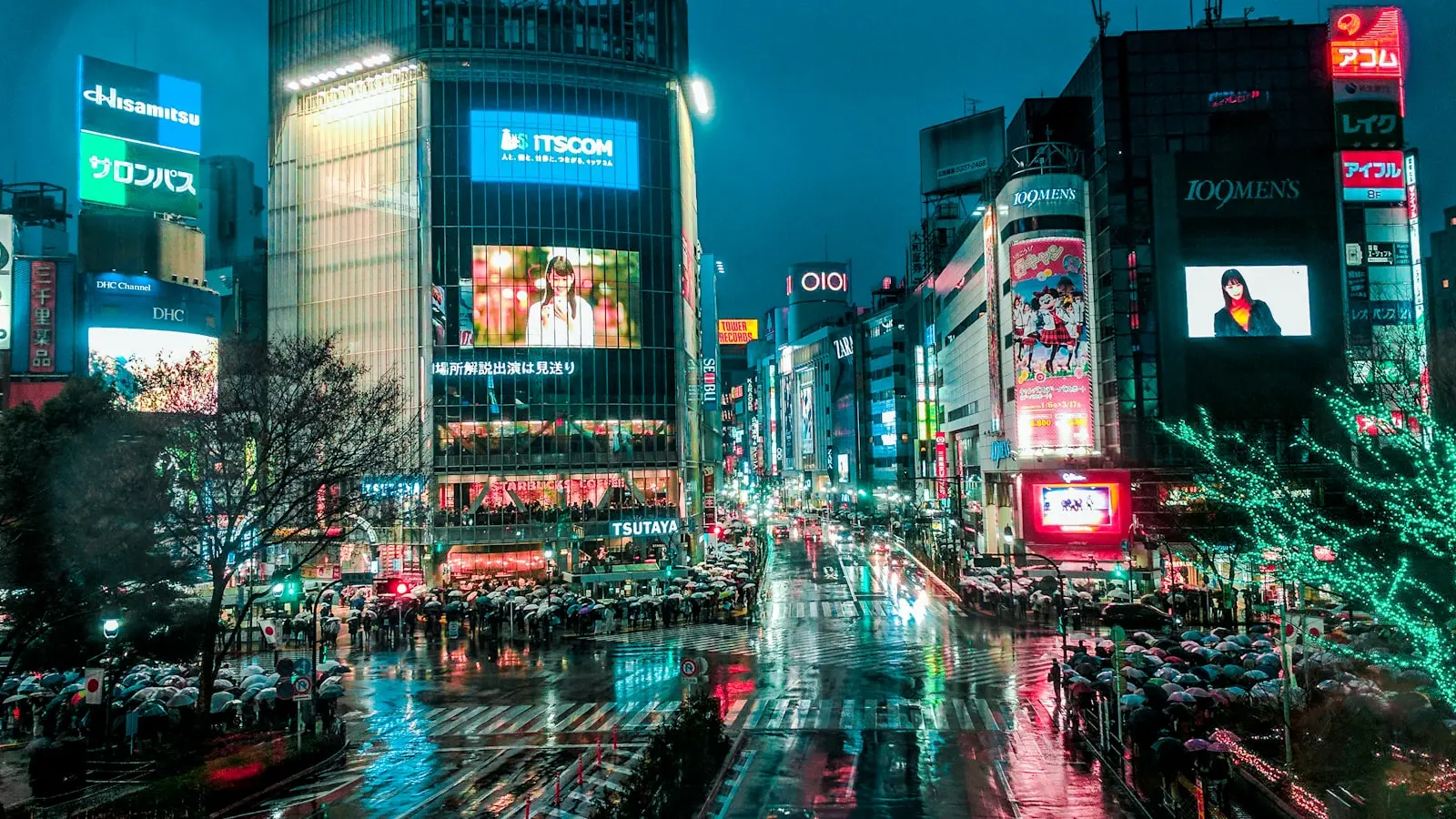

Navigating the Tokyo Infrastructure
Tokyo operates not as a single city, but as a dense constellation of distinct urban cores. For the uninitiated, the sheer scale of the transit network is the first hurdle to clear. With the Tokyo Metro and JR East rail lines moving over 10 million passengers daily, physical navigation requires more than a digital map. The primary tool remains the IC card—specifically the Suica or Pasmo. Securing one of these cards before or immediately upon arrival is the fundamental prerequisite for fluid movement. Without this, the friction of purchasing individual paper tickets at every turn becomes a significant drain on time. (It is an archaic chore.)
Seasonal Variables and Booking Pressure
The tourism landscape in Japan has shifted significantly since the end of 2022. The post-pandemic surge has transformed the rhythm of the city. Seasonal events, specifically the cherry blossom (sakura) window in late March and early April, now demand a level of logistical foresight that borders on military precision. During these weeks, hotel demand reaches a saturation point that pushes prices to their annual apex. Analysts suggest that if the objective is a stress-free experience, planning for the sakura season requires booking accommodations at least six months in advance. For those seeking a quieter experience, the shoulder seasons provide far greater access to the city’s resources without the logistical bottleneck.
The Ten Day Itinerary Framework
Efficiency in Tokyo is often sacrificed for ambition. A common mistake among first-time visitors is attempting to compress the city into a five-day sprint. A ten-day duration is the operational sweet spot. It allows for a baseline exploration of the major districts—Shinjuku, Shibuya, and Asakusa—without triggering total decision fatigue. The strategy is to cluster activities geographically to avoid the cross-town exhaustion that plagues unprepared travelers. By dedicating blocks of time to specific rail lines, one reduces the transit tax on their energy levels. (Do not spend your entire trip on a train.)
Balancing Reservation Culture and Spontaneity
There is a paradoxical divide in Tokyo travel: the need for rigid planning versus the requirement for drift. High-end culinary experiences and specialized attractions now require bookings months in advance. The infrastructure of hospitality has tightened, and availability is rarely found on a whim at premium venues. However, the true texture of Tokyo rarely exists inside the ticketed venues. The most substantial experiences often occur when travelers step away from the major hubs and into residential enclaves like Setagaya. The recommendation is to reserve the high-demand anchors of the trip well in advance, then leave entire afternoons completely unscripted to facilitate organic discovery.
Operational Considerations for the Modern Traveler
| Aspect | Strategic Requirement | Impact on Trip |
|---|---|---|
| Transit | Suica/Pasmo IC Card | Essential for fluid rail access |
| Accommodation | 6+ Months Advance Booking | Protects against seasonal price spikes |
| Duration | 10 Days Minimum | Prevents itinerary saturation |
| Dining | Advance Reservation System | Necessary for destination restaurants |
Tokyo rewards those who respect its operational cadence. It is a city that demands planning, yet punishes those who plan too much. The balance lies in securing the logistical foundations—the cards, the rooms, the anchors—and allowing the geography of the residential neighborhoods to dictate the pace of the remaining hours. When the traveler finally understands that the transit system is a tool, not a barrier, the city transitions from a complex puzzle to a navigable environment.