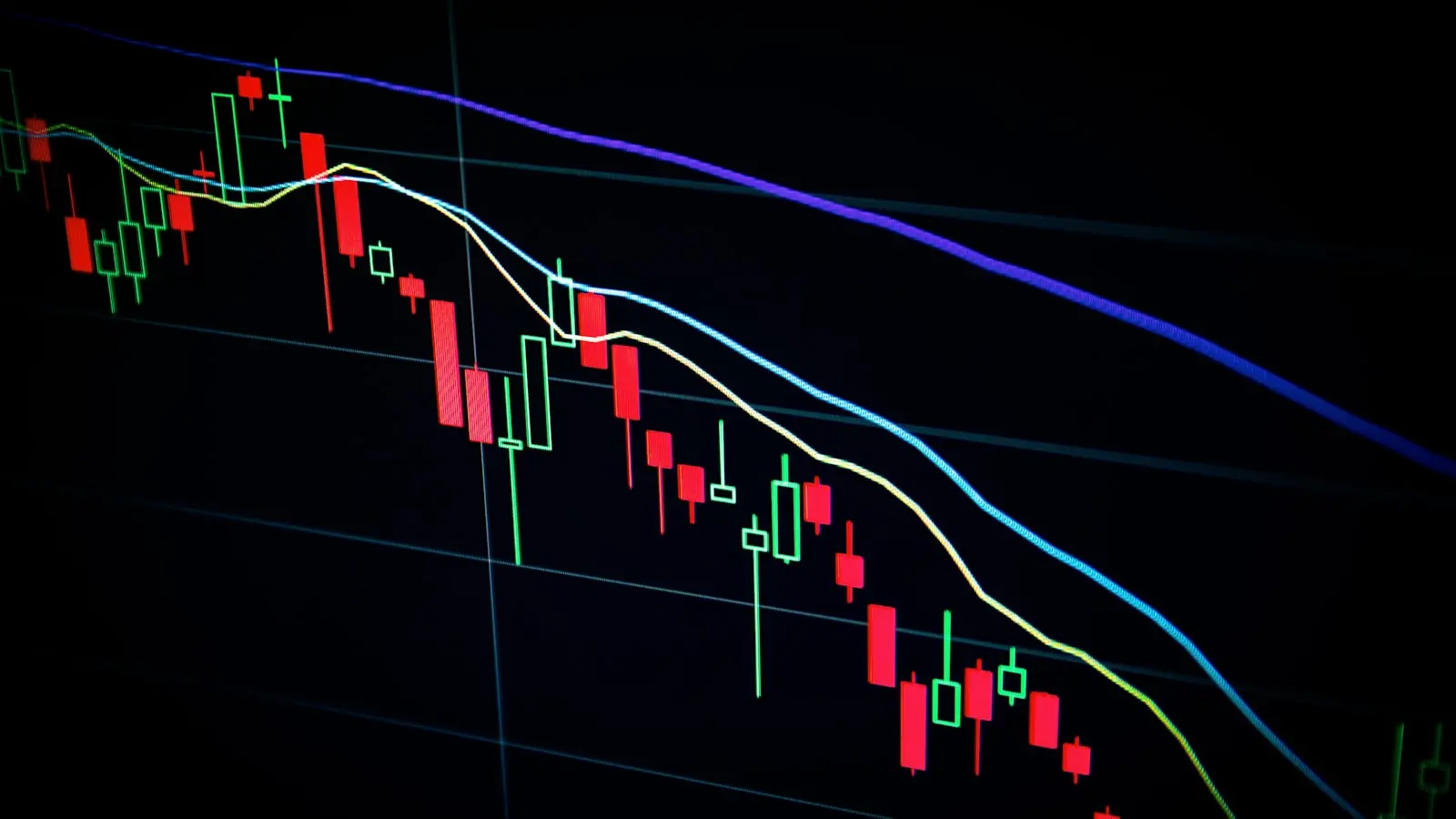

The global financial apparatus currently sits at an inflection point as the 48-hour ultimatum issued by the Trump administration to Tehran nears expiration. With the Strait of Hormuz—the primary maritime artery for 20% of the world’s petroleum—effectively paralyzed, capital markets are pricing in a volatile shift in geopolitical risk. Investors are not reacting to mere rhetoric; they are reacting to the specter of sustained energy supply chain failure.
Market indicators highlight the tension. Dow, S&P 500, and Nasdaq futures have retreated by 0.17%, 0.25%, and 0.32% respectively. Meanwhile, the cost of crude oil has vaulted 7.5%, pushing US futures past the 81 dollar mark and Brent crude above 85 dollars. This is a direct function of supply scarcity. When shipping lanes become war zones, insurance premiums skyrocket and tanker flow halts. The arithmetic is brutal.
The Economic Fallout of Potential Infrastructure Strikes
Beyond the immediate disruption of oil transit, the administration’s warning regarding the destruction of Iranian power plants introduces a new variable. This is no longer a localized naval dispute. It is a strategic pivot toward infrastructure degradation. If power plants are neutralized, the downstream effects on global commodity chains will be severe:
- Fertilizer Markets: Iran is the world’s third-largest exporter of urea. Any sustained disruption will tighten supply, inflating costs for global agriculture and, subsequently, food prices.
- Liquefied Natural Gas (LNG): With Qatar and the UAE operating through potentially compromised waters, the global LNG supply chain faces a significant bottleneck.
- Aviation Headwinds: Airlines are seeing immediate cost spikes as jet fuel futures correlate directly with the surging price of crude. The margin compression here is already being reflected in airline equity valuations.
The Treasury Yield and Federal Reserve Dilemma
Geopolitics have effectively tethered the bond market to the conflict. The 10-year Treasury yield, currently holding at 4.409%, illustrates the flight to safety. Investors are simultaneously fleeing risk and hedging against inflation. The Federal Reserve, however, faces a classic trap. If they tighten policy to combat the energy-driven inflationary surge, they risk choking off an economy already struggling under the weight of a geopolitical growth slowdown. (The irony of the situation is not lost on seasoned traders.)
Historically, significant shocks to oil supply have acted as a tax on the consumer. Unlike previous cycles, the presence of an expanded European renewable energy grid provides a marginal buffer for EU consumers. However, for the US and Asian markets, the exposure remains acute. The South Korean Kospi index, which plummeted 12% in recent trading, serves as a warning of how sensitive trade-dependent economies are to the closure of Middle Eastern shipping lanes.
Assessing the Gold and Currency Pivot
Gold is currently experiencing its most significant weekly decline since the onset of the COVID-19 pandemic. This defies conventional “safe haven” logic. The reason is liquidity. In moments of extreme uncertainty, institutional investors often liquidate gold positions to cover margin calls or move into cash (the US dollar has climbed 0.1% against the euro). When cash is the only king left, investors sell whatever they can move quickly.
The Path Forward
Analysts are divided between two scenarios. The first, currently priced into a portion of the market, assumes a swift, contained diplomatic or military resolution that restores passage through the Strait. The second, which the current volatility suggests the market is starting to fear, is the ‘worst-case scenario’: a full, protracted blockade. If the latter occurs, DWS analysts suggest oil prices could easily breach 100 dollars per barrel.
Investors must monitor not only the movement of naval assets but the behavior of the 10-year Treasury yield. If yields continue to climb alongside oil prices, the risk of a stagflationary environment becomes the primary concern for the next quarter. The market is waiting for follow-through. Until the deadline passes and the physical reality of the shipping lanes is confirmed, caution is the only logical posture. Discipline remains the only shield against such erratic geopolitical currents.