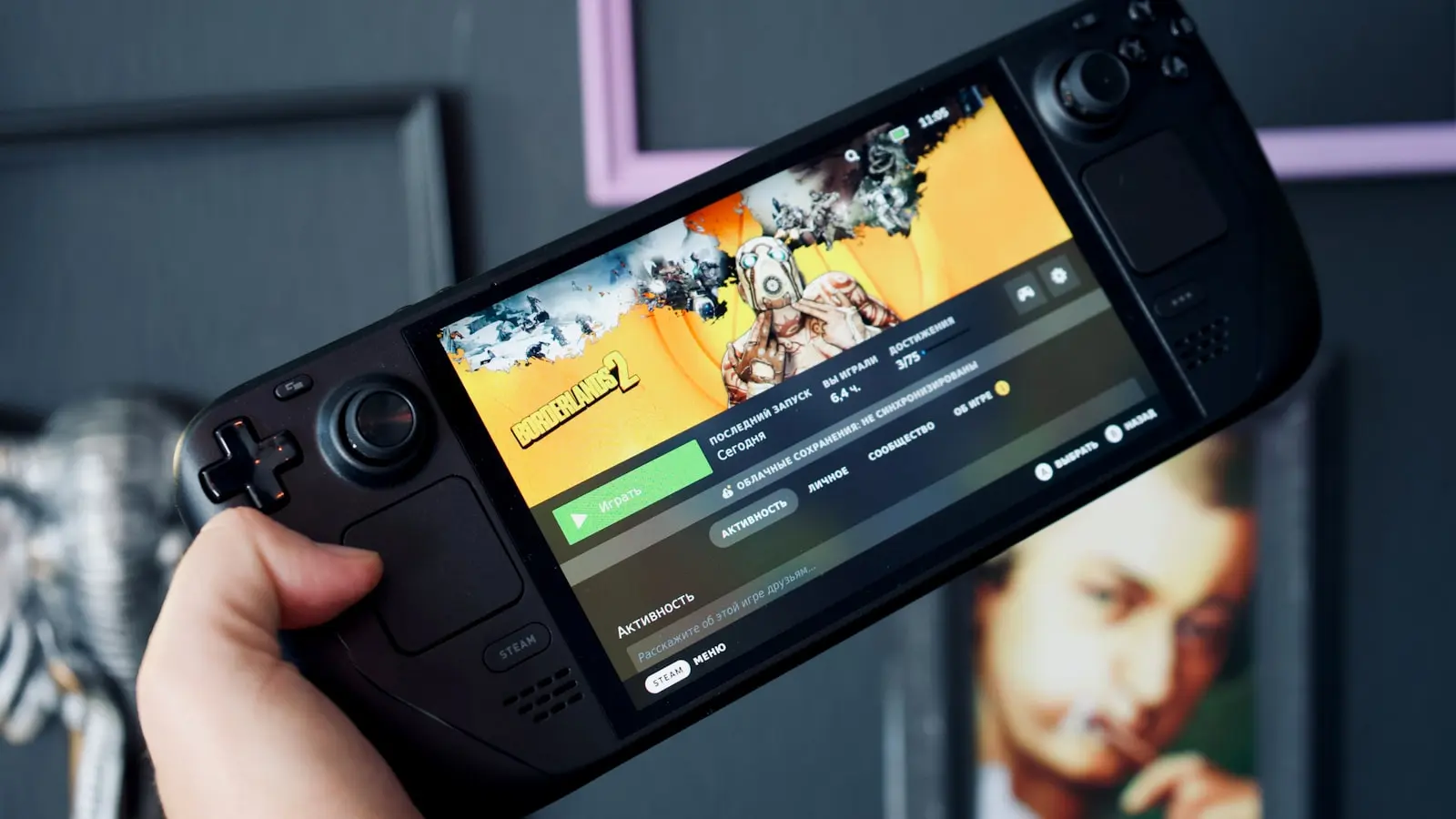

Starting March 6th, Valve distributor KOMODO will raise the retail price of the Steam Deck OLED across Japan, South Korea, and Taiwan while simultaneously refreshing depleted inventory. The revision pushes the 512GB model from 84,000 Yen to 98,800 Yen in Japan, executing a sharp 17.6 percent cost jump overnight. Market analysts point to sustained logistics friction and macroeconomic currency shifts driving the adjustment. The era of subsidized hardware meets physical reality.
When cargo ships idle outside ports burning fuel while awaiting clearance, the cost of moving molded plastic and lithium-ion cells across the Pacific compounds rapidly. Valve engineered the Steam Deck to dominate through aggressive loss-leader pricing, absorbing component fluctuations to build a captive software ecosystem. That strategy breaks under currency collapse. Japan pays the toll.
The Regional Hardware Calculus
The pricing revision disproportionately targets territories experiencing fiat depreciation against the United States Dollar. South Korea observes a moderate increase, while Taiwan remains effectively untouched. Hong Kong avoids the pricing update entirely for the current financial quarter.
| Territory & Hardware Tier | Original Price | Revised Price | Percentage Shift |
|---|---|---|---|
| Japan (512GB OLED) | 84,000 Yen | 98,800 Yen | 17.6% |
| Japan (1TB OLED) | 99,800 Yen | 114,800 Yen | 15.0% |
| South Korea (512GB OLED) | 839,000 KRW | 898,000 KRW | 7.0% |
| South Korea (1TB OLED) | 989,000 KRW | 1,048,000 KRW | 6.0% |
| Taiwan (512GB OLED) | 18,880 TWD | 18,980 TWD | 0.5% |
| Taiwan (1TB OLED) | 21,980 TWD | 22,480 TWD | 2.2% |
Data materialization explains the geographical disparity. The 100 TWD increase in Taiwan equals the cost of a local transit ticket. The 14,800 Yen increase in Japan equals the retail price of two major AAA game releases. Taiwan houses TSMC, the foundry responsible for manufacturing the AMD accelerated processing units inside the Steam Deck. Physical proximity to the silicon source minimizes transport logistics. (Local manufacturing proximity dictates global hardware dominance).
KOMODO pairing this price increase with a long-awaited stock replenishment forces a harsh consumer choice. Buyers must either absorb the elevated premium or abandon the ecosystem entirely. Artificial scarcity often acts as a financial lubricant.
Cost-to-Performance Ratio Disrupted
Hardware specifications hold value solely through their ability to improve user experience relative to financial investment. At its original 84,000 Yen baseline, the 512GB OLED Steam Deck delivered an unassailable value proposition. It featured a custom 6nm AMD APU, a 90Hz HDR Samsung display, and a 50Whr battery capable of running highly demanding rendering pipelines at lower power draws.
Approaching 100,000 Yen, the entry-level OLED Deck crosses a dangerous psychological threshold. The unit now competes directly against heavier hardware. Consumers begin weighing Valve’s optimized ecosystem against brute-force Windows machines like the Asus ROG Ally featuring the Ryzen Z1 Extreme, or the Lenovo Legion Go with its massive 8.8-inch display.
Windows 11 requires raw computational power to run smoothly on a handheld platform. Background processes drain battery life, and standby functionality remains inherently flawed. SteamOS runs lean. Valve circumvents Windows overhead via the Proton compatibility layer, allowing a 15W chip to punch well above its silicon weight class. (Is Windows on a 7-inch portable display worth the battery anxiety?)
However, a 17.6 percent price increase tests the limits of that software advantage. The hardware outputs the exact same frame rates, but the consumer carries a lighter wallet. When the price delta between a dedicated SteamOS machine and a fully unlocked Windows handheld narrows, the purchasing logic fractures. The OLED Deck still maintains superior thermal management and input ergonomics, but the financial justification requires tighter math.
Internal Architecture and Repairability Economics
The price gap between the 512GB and 1TB models in Japan now sits at 16,000 Yen. This spread forces consumers to re-evaluate aftermarket modifications. The Steam Deck utilizes a standard M.2 2230 NVMe solid-state drive. Replacing the internal storage requires removing eight standard Philips-head screws and disconnecting the battery lead.
With base hardware costs rising, users will naturally attempt to reclaim value through third-party storage upgrades. A 1TB 2230 SSD retails significantly lower than the 16,000 Yen manufacturer premium. However, popping the plastic shell risks structural integrity and voids specific warranty protections. Valve engineered the device for relative repairability, partnering with iFixit to supply replacement analog sticks, triggers, and screens.
The OLED revision complicated this slightly by changing the internal layout, routing fragile ribbon cables closer to the battery housing to accommodate the larger 50Whr cell and updated thermal module. The larger fan profile pushes air out of the chassis more efficiently, preventing thermal throttling during intensive tasks like rendering Cyberpunk 2077 at 40 frames per second. The engineering is sound. The economic barrier to entry is simply climbing.
Ecosystem Lock-In vs Premium Pricing
Valve traditionally extracts profit from software sales, utilizing hardware as a mere delivery mechanism for the Steam storefront. This strategy works perfectly when borrowing costs remain low and global shipping lanes operate without friction. The current Asian market adjustment signals a shift in this dynamic. Valve and its distribution partners refuse to absorb the total cost of macroeconomic inflation.
The Steam Deck OLED models are currently the only units in active production, having phased out the original LCD models. The 90Hz OLED panel fundamentally alters the hardware experience, delivering infinite contrast ratios and eliminating the gray-black washout present in the launch units. Color accuracy matters when navigating dense user interfaces or spotting targets in low-light digital environments.
(Hardware margins remain razor-thin across the portable sector).
If the Japanese market accepts this new pricing tier without a significant drop in unit velocity, Western markets should brace for impact. While the US Dollar remains strong relative to the Yen, logistics costs affect all shipping routes. The cost of raw lithium, specialized glass, and labor continues to exert upward pressure on consumer electronics.
Consumers observing the March 6th deadline must act swiftly. The hardware inside the Steam Deck OLED will not run games any faster after the deadline passes. The thermal envelope remains unchanged. The battery longevity stays fixed. Only the financial burden expands. The era of cheap, high-performance portable PC gaming may have reached its peak, forcing future buyers to prioritize software efficiency over hardware specifications.