Introduction
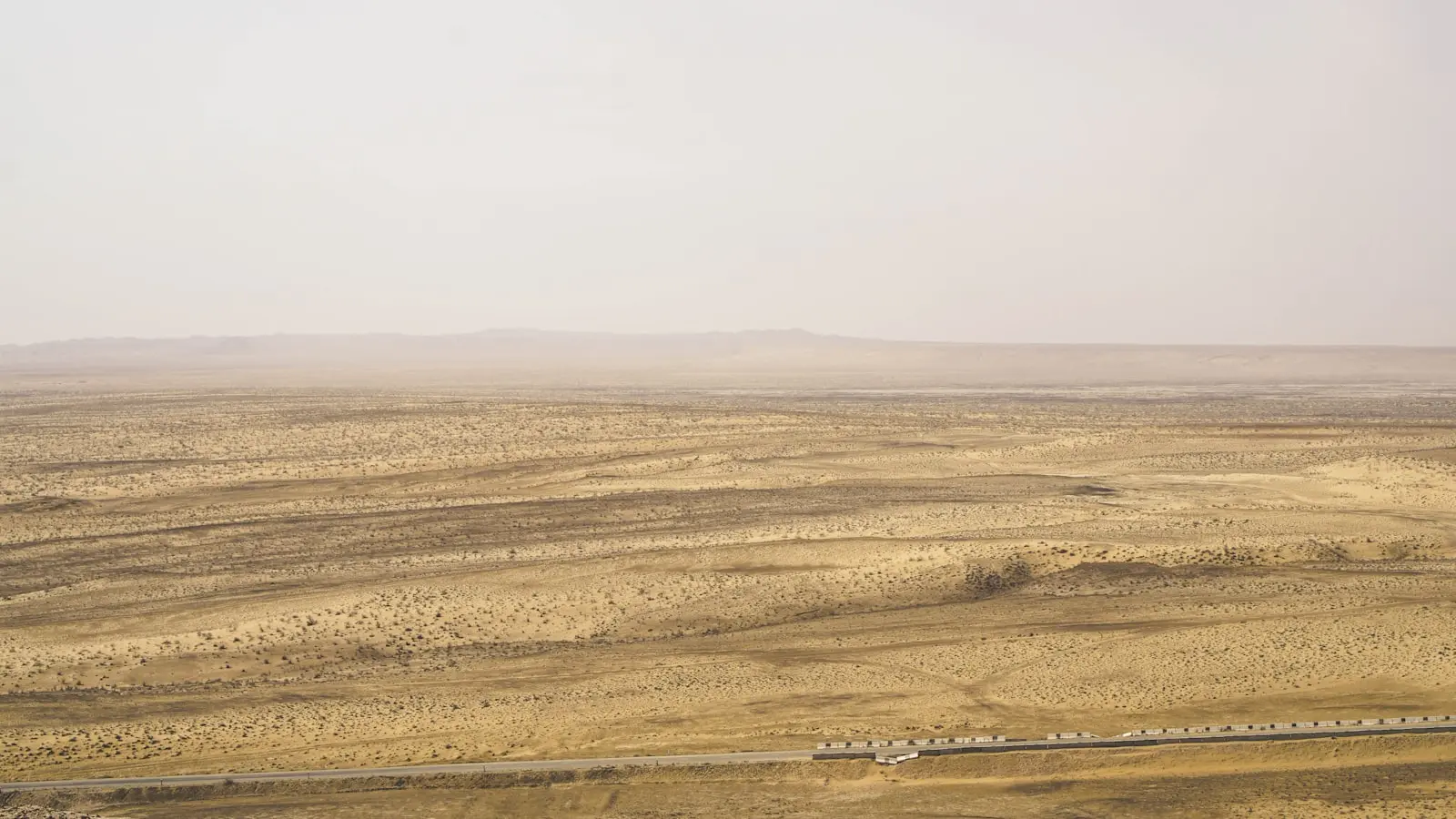
Uzbekistan’s summer climate is a physiological stress test. Tourists walking Samarkand’s Registan or Bukhara’s old city under 42°C sun face a predictable risk: dehydration. The body’s cooling system relies on sweat, which in dry air evaporates rapidly, masking fluid loss. A 13-day itinerary with daily walking demands a deliberate hydration protocol, not casual sips. (The alternative is a medical tent.)
The Physiology of Dry Heat Dehydration
Dry heat accelerates insensible fluid loss. Sweat evaporation is efficient, so a person may not feel drenched but can lose 1 to 1.5 liters per hour walking at moderate pace in 40°C air. Over a day of sightseeing — six to eight hours — the cumulative deficit reaches 3 to 4 liters. Common symptoms include headache, fatigue, dark urine, and dizziness. Thirst is a late indicator; by the time you feel thirsty, you are already dehydrated.
How Much Water is Enough?
General guidelines for walking in heat: 0.5 to 1 liter per hour. For an eight-hour day, that is 4 to 8 liters. Carrying that volume is impractical. The strategy is to hydrate before and after walking segments and carry a 1.5-liter reusable bottle, refilling at every opportunity. Uzbekistan’s tap water is not safe for drinking, so bottled water is essential. Many tourists buy 0.5-liter or 1-liter bottles at kiosks and carry them. Frequency of drinking should be every 15 to 20 minutes, not just at breaks.
Electrolytes: Why and How
Sweat is not just water. It contains sodium, chloride, and potassium. Replacing only water can dilute blood sodium, a condition called hyponatremia, which causes nausea, headache, and in severe cases, seizures. Electrolyte tablets dissolved in bottled water provide the necessary sodium and other salts. Aim for 500 to 700 mg of sodium per liter of fluid during hours of walking. Food also contributes: Uzbekistan’s dried fruits, nuts, and salty dishes (like plov) help maintain electrolyte balance. Avoid relying on high-sugar sports drinks; they can worsen gastric discomfort.
Timing and Pacing
The midday sun from 10 a.m. to 4 p.m. is the most dangerous. Schedule walking for early morning and late afternoon. Use the middle of the day for rest in air-conditioned museums, tea houses, or shaded courtyards. (This is not a luxury; it is thermoregulation.) The body needs time to cool core temperature. Wear a wide-brimmed hat, light long-sleeved shirts, and synthetic or moisture-wicking fabrics. Cotton absorbs sweat and holds it against the skin, reducing evaporative cooling.
Recognizing and Responding to Heat Exhaustion
Heat exhaustion signs: nausea, weakness, faintness, cold clammy skin, rapid pulse. Action: stop walking, move to shade, drink cool water with electrolytes, apply cool cloths to neck, underarms, and groin. If symptoms worsen or the person becomes confused, vomits, or has hot dry skin (anhydrosis), that indicates heat stroke — a medical emergency requiring immediate cooling and emergency services. Prevention is far more effective than treatment.
Practical Recommendations for a 13-Day Trip
- Carry a 1.5-liter reusable bottle and pack electrolyte tablets in your daypack.
- Pre-hydrate: drink 500 ml of water before leaving the hotel each morning.
- Buy bottled water at every vendor (they are ubiquitous in Uzbek cities).
- Monitor urine color: pale straw signals adequate hydration; dark amber means you are behind.
- Eat salty snacks: nuts, dried fruits, or add salt to food.
- Avoid alcohol and excessive caffeine. Both increase urine output.
- Wear a hat, sunglasses, and SPF 50+ sunscreen. Sunburn impairs the skin’s ability to sweat.
- Take breaks in the shade every hour for 5 to 10 minutes.
Conclusion
Uzbekistan’s ancient cities reward those who respect its climate. Hydration is not optional; it is a daily discipline. The evidence is clear: planned fluid and electrolyte intake, combined with strategic pacing, prevents heat exhaustion and heat stroke. No miracle cures — just physiology. (And a bottle in hand.)