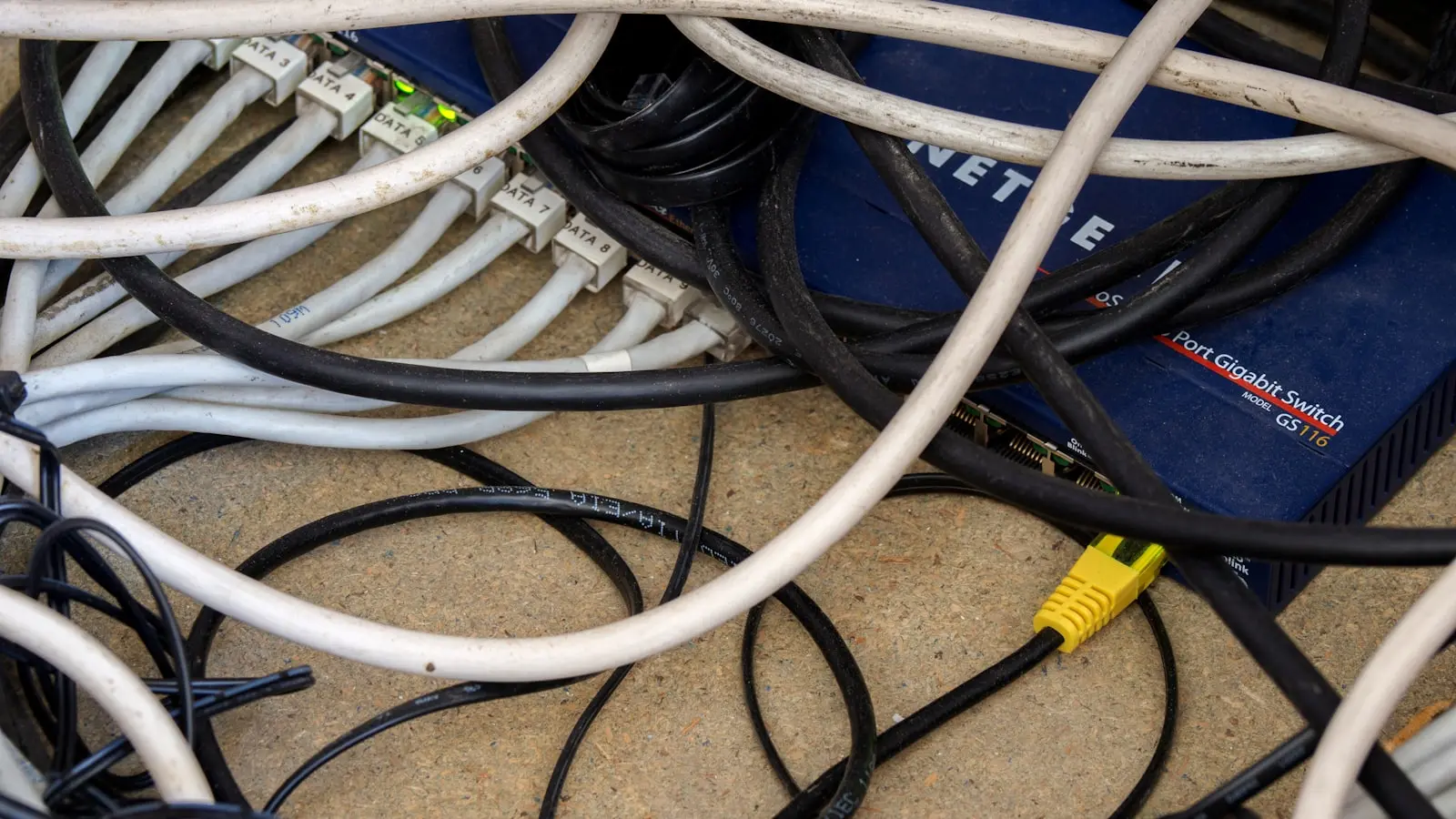

The modern home is increasingly defined by its digital architecture rather than its physical square footage. When dozens of smart appliances, security cameras, and lighting bridges compete for bandwidth, traditional network hardware often collapses under the weight of constant, low-latency communication requirements. The bottleneck is rarely a lack of internet speed; it is almost always a failure of local traffic management. (The classic ISP-provided router was simply never designed to handle 30 plus devices simultaneously.)
Understanding The Bandwidth Bottleneck
Most legacy networking equipment relies heavily on the 2.4GHz frequency band. This spectrum is inherently crowded, serving not just smart home sensors, but also microwave ovens, Bluetooth peripherals, and competing signals from neighbors. When a device requires a handshake, the airwaves are already occupied, leading to high latency and dropped connections. This is the primary reason why a smart bulb might take three seconds to respond to a voice command.
The Hardware Shift To Wi-Fi 6E And Wi-Fi 7
Transitioning to Wi-Fi 6E or Wi-Fi 7 is the most effective hardware intervention. These standards introduce access to the 6GHz spectrum, a lane that remains largely uncongested compared to the legacy bands. By offloading bandwidth-heavy traffic like smart security cameras or streaming devices onto this higher frequency, users free up the 2.4GHz space for smaller, simple IoT sensors that do not require high-speed throughput. This effectively spreads the workload across the available spectrum rather than funneling every device into the same narrow corridor.
Implementation Strategies For Stability
Hardware upgrades only solve half of the equation. Stability requires granular configuration and traffic prioritization. Consider these tactical adjustments:
- Static IP Assignments: Assigning static IP addresses to critical smart home controllers prevents repeated DHCP handshaking requests. This reduces the background noise on the network and prevents “device offline” errors common after power flickers.
- Dedicated IoT Segmentation: Using a secondary guest SSID for IoT devices serves two purposes. First, it isolates traffic, ensuring a compromised budget-grade light bulb cannot probe the primary network for personal computers or servers. Second, it allows users to limit that specific SSID to the 2.4GHz band, preventing devices from attempting to jump onto more sensitive network channels.
- Mesh Infrastructure: A single router is often insufficient to cover the physical layout of a modern home, especially when walls and furniture attenuate signal strength. A mesh system ensures consistent coverage, reducing the signal retransmission errors that cause massive network overhead.
Security Through Architecture
Network engineers consistently point toward segmentation as the industry standard for home security. A budget-grade camera with poor firmware is a potential vector for unauthorized network access. By placing these devices on an isolated VLAN or guest SSID, the primary network remains a vault for sensitive data. (This is non-negotiable in the current threat landscape.)
The Economics Of Connectivity
Investing in high-end mesh systems is rarely about speed tiers provided by the ISP. It is about the capacity to handle concurrent connections without packet loss. When a router handles 30+ devices, it must act as an efficient traffic controller. If the hardware lacks the processing power to route this traffic effectively, the speed of the internet service becomes irrelevant. (Expensive routers are, in this case, a necessity rather than a luxury.) Stability comes from architectural design, not from higher monthly subscription costs.