
The spring/summer 2026 runways served as a public resignation letter to the era of clinical minimalism. Where designers previously chased the safety of over-optimized, neutral palettes, this season signaled a hard pivot toward personality-driven design. Fifteen newly appointed creative directors stepped into their roles with a singular directive: reclaim the joy of dressing. (It was overdue.)
Economic data suggests this shift is a calculated reaction to consumer fatigue. After seasons of austerity and utilitarian design, shoppers are seeking garments that act as emotional catalysts. The industry is moving away from the “capsule wardrobe” mandate—a strategy that arguably stifled creativity for years—toward a more visceral, individualistic aesthetic. When Mathieu Blazy debuted at Chanel, the result was not a rigid structural experiment, but a fluid, radiant celebration of movement. The clothes breathed. They felt alive.
The Architecture of Emotion
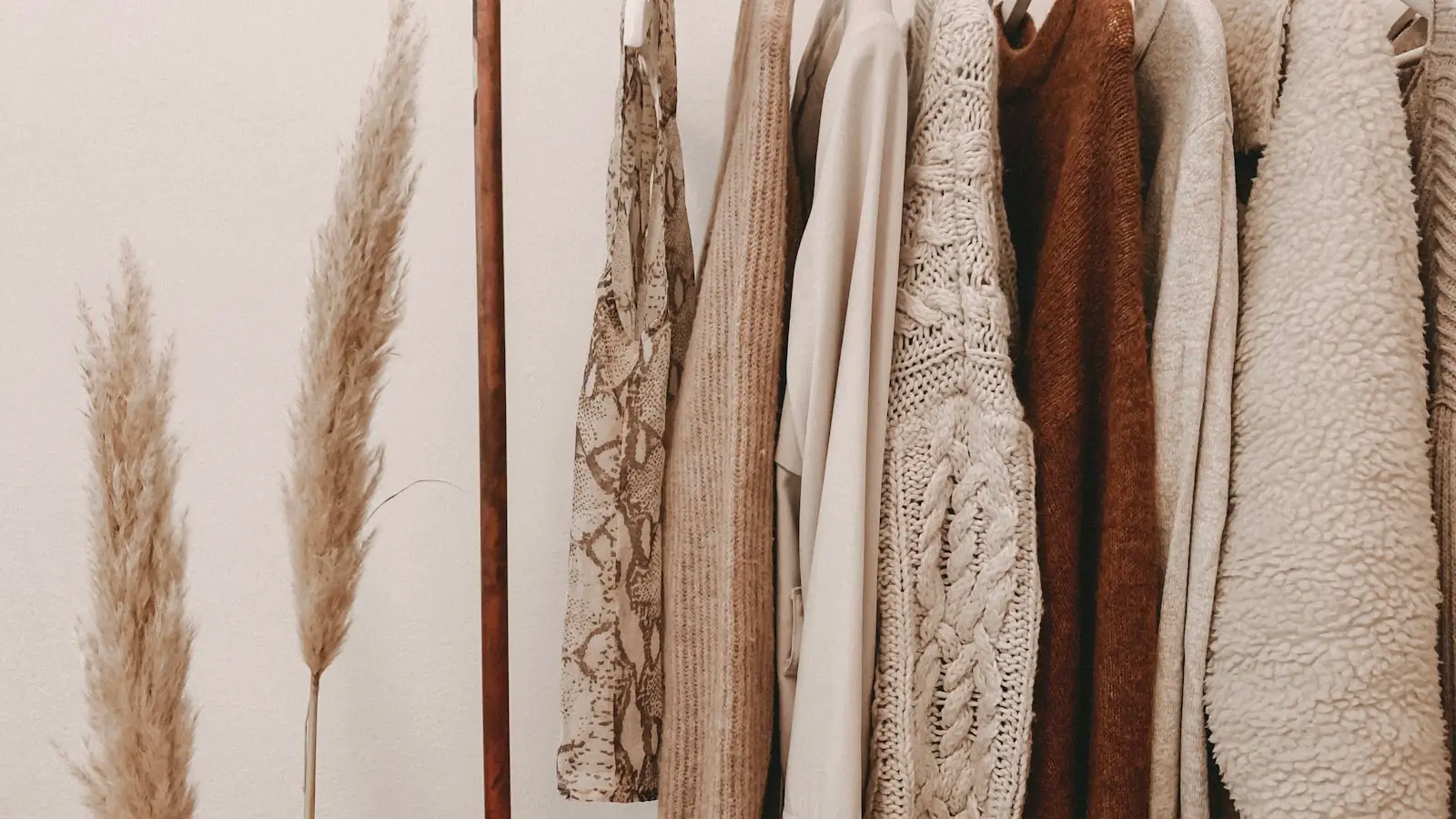
This season, designers treated fabric as a medium for sensory experience rather than mere utility. The trend dubbed “fashion as emotion” relies on texture to convey psychological states. Designers utilized:
- Fringe and feathers: These are not merely decorative elements; they represent a desire for kinetic movement in a digital-first world.
- Airy lace: A stark departure from the heavy, protective fabrics of the previous decade.
- Draped tailoring: The silhouette has loosened, moving from the restrictive shoulder pads of 2024 to robe-like, effortless structures.
The Return of Literary Chic
Beneath the surface of the trend cycle, “literary chic” provides a grounding anchor. It is a reinterpretation of traditional preppy aesthetics, but executed with an ironic, modern intelligence. Rather than uniform-like conformity, this style utilizes unexpected color pairings and chaotic, deliberate layering. It is a look that suggests the wearer has read the book and kept the receipt. (Thankfully.)
Defining the Spring Essentials
Industry analysts have isolated specific items that encapsulate the season’s aesthetic departure. The move toward personality-driven fashion manifests in several key categories:
| Trend | Practical Application |
|---|---|
| Pink Shirting | Replacing the standard white corporate button-down with saturated, personality-forward tones. |
| Fringe Elements | Incorporating movement into evening wear and high-street daily staples. |
| Dark Denim | Providing a structured, grounding base for more ethereal, airy lace layers. |
| Clutch Bags | Moving away from the functional, utilitarian carry-all toward intentional, hand-held items. |
Why Minimalism Collapsed
For years, brands leaned on the efficiency of minimalism. It was easier to manufacture, easier to market, and simpler to scale across global supply chains. However, the market has reached a saturation point of “invisible” luxury. Consumers no longer desire to look like a placeholder for a brand’s brand equity. They want texture. They want the specific, odd, and personal.
This transition is not about abandoning structure; it is about abandoning the coldness that accompanies it. When a garment serves no emotional purpose, it becomes landfill. The 2026 collections are a direct response to this reality. Designers are no longer asking how to make a coat for everyone; they are asking how to make a coat for someone. The focus has shifted from the algorithm back to the individual. It is messy. It is loud. It is finally feels human.