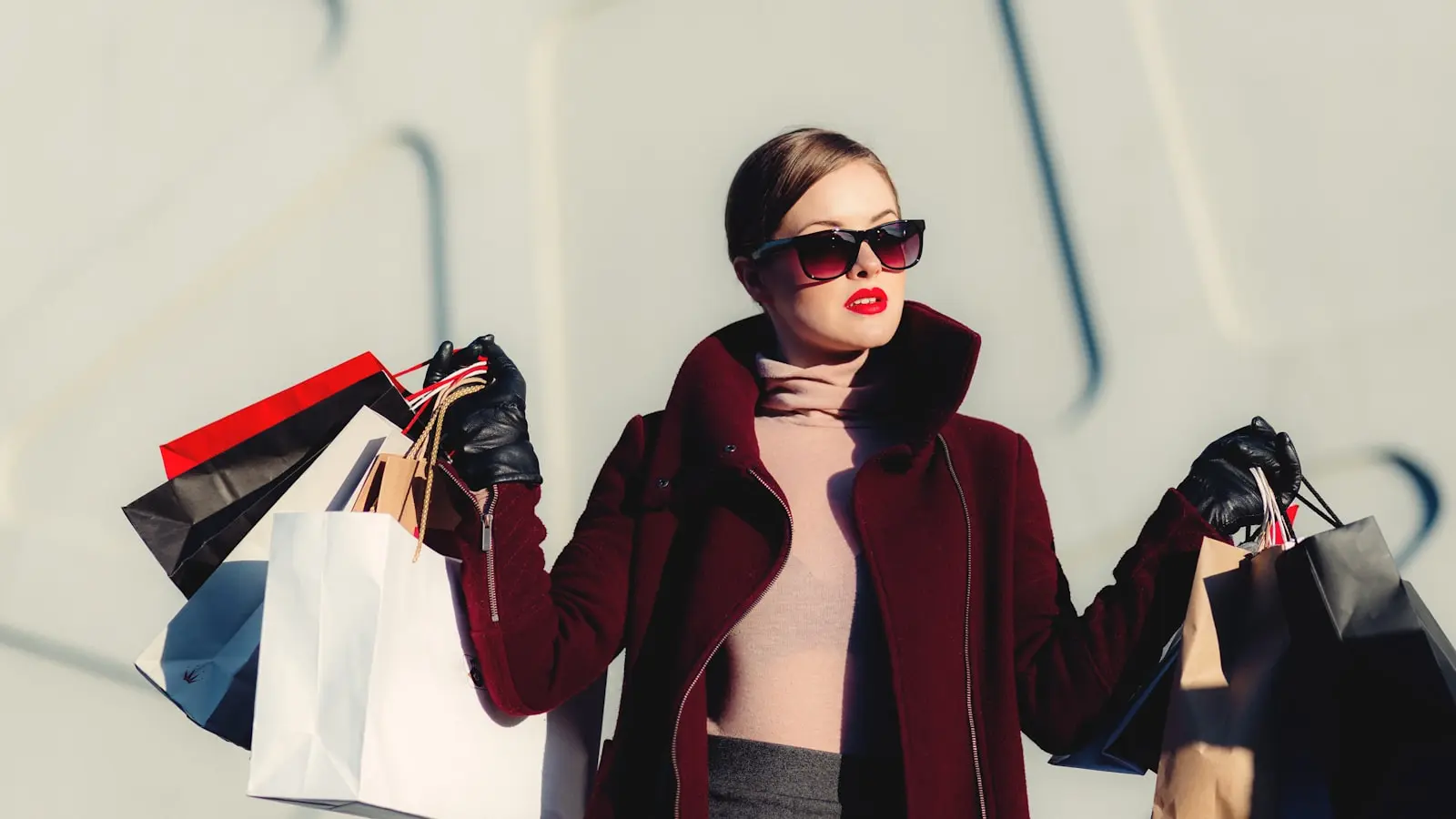

The first days of spring arrive not with a calendar date, but with a change in the air and a subtle shift in the light. It’s a release. Heavier fabrics are folded away, and with them, a certain psychological weight. For spring 2026, this seasonal shedding feels less like a routine and more like a declaration. The collective wardrobe reflects a quiet but firm pivot away from rigid practicality and toward a curated, personal joy. It is a rebrand of the self, executed one thoughtfully chosen object at a time. The movement is not toward chaotic maximalism but toward a deliberate form of self-expression, where the texture of a handbag or the ritual of a serum holds more weight than the trend cycle itself. This is design shaping behavior on a deeply intimate scale.
The New Vernacular of Value
The conversation around dressing is now dominated by a curious duality: the forever piece and the fleeting pleasure. On one end, there is the rise of the investment staple. This is not about logos or conspicuous wealth. Instead, it is a commitment to silhouette and material. A perfectly cut trench coat, a pair of leather loafers that mold to the foot, a structured bag built to withstand years of use—these are pieces of personal architecture. They provide a foundation. Their value is measured in permanence and the quiet confidence they impart. This search for longevity is directly fueled by a robust luxury resale market, which has taught a generation to think of high-quality goods not as disposable fashion but as durable, transferable assets. It is an act of anchoring oneself in a world of ephemera.
Simultaneously, there is a powerful current running in the opposite direction: the affordable, joy-sparking find. An under-$50 purchase—a pair of brightly colored earrings, a silk-like scarf in an unexpected print—offers a low-stakes entry into experimentation. It is a moment of pure, unadulterated delight without the burden of long-term commitment. This blending of high and low is the dominant aesthetic. It is born from a landscape of economic pressure cooker-ed with an intense desire for individual expression. A person might wear a decade-old blazer with a mass-market beaded necklace. The logic is internal, not dictated. It dismantles old hierarchies of taste, suggesting that value is not inherent in a price tag but is assigned by the wearer. It’s a sophisticated response to the noise of social media’s micro-trends, allowing one to participate in the moment without being consumed by it.
A Return to Tactile Detail
The most telling artifacts of this new mood are the accessories. Embellishments are making a significant return, not with the brashness of previous eras, but with a more personal, almost secretive quality. It is about re-introducing deliberate, non-functional beauty into the everyday. Consider the physical sensation of these objects: the cool, satisfying weight of a beaded clutch held in the hand; the way a cluster of small crystals on an earring catches the low light of a restaurant; the intricate texture of a woven leather handle. These are not passive items. They demand to be touched and noticed.
This focus on tactile sensation is a direct counter-movement to the sterile smoothness of a digital life. It is a small rebellion against the flattening of experience into a two-dimensional screen. In a world optimized for efficiency, choosing an accessory that is slightly impractical—one that requires care and attention—is an act of defiance. It signals a prioritization of aesthetic pleasure. It’s a way of saying that not everything needs to serve a purpose beyond being beautiful and making the owner feel a specific way. The object becomes a talisman, a small anchor to the physical world and a reminder of the importance of sensory input.
The Architecture of Skin
The same philosophy of deliberate, considered choices extends from the wardrobe to the bathroom counter. The prevailing movement in beauty is not about transformation but about fortification. The boom is in minimalist skincare that promises maximum results through skin health, not camouflage. This is the ‘soft life’ trend materialized in cleansers, serums, and moisturizers. The aesthetic prioritizes a healthy, luminous canvas over layers of cosmetic artifice.
The ritual is as important as the result. It is about the quiet moments spent at the beginning and end of the day—the methodical application of products, the feeling of a nourishing oil, the cool slip of a hydrating cream. This is a retreat inward. Luxury is found in the integrity of the process, not in the quantity of products used. This shift redefines beauty from a public-facing performance to a private act of self-care and maintenance. It is a long-term investment in the body’s largest organ, aligning perfectly with a broader cultural emphasis on wellness and emotional wellbeing. The goal is not a mask of perfection but a well-maintained, resilient surface that reflects a state of inner calm.
The Unseen Structure and Its Faults
Yet, for all this talk of self-expression and gentle living, the framework supporting it has visible cracks. The rhetoric of joy and inclusivity espoused by the industry often fails to translate into physical reality. A stark reminder of this disconnect appeared at Australian Fashion Week for the 2026 season, where a mere 12.8% of looks were presented in mid-size and plus-size ranges. The number is not just a statistic; it is a gate. It delineates who is, and who is not, invited to fully participate in this narrative of sartorial happiness.
This exclusion raises a critical question: for whom is this ‘soft life’ being designed? When the vast majority of bodies are absent from the industry’s primary showcases, the promise of fashion as a tool for universal self-expression rings hollow. It suggests a narrow, outdated definition of whose comfort and beauty are deemed worthy of consideration and craftsmanship. The dissonance is jarring. The market may be celebrating a blend of high and low, but the runway (frankly, where the industry’s foundational ideas are still forged) remains a bastion of aspirational exclusivity. Until the architecture of the industry itself is rebuilt to be more inclusive, the freedom celebrated in its trends will remain a luxury afforded only to a select few.
In the end, the way people choose to dress and adorn themselves in spring 2026 is a complex tapestry of cultural signals. It is a quiet negotiation between permanence and play, between private ritual and public presentation. The well-made coat offers a sense of stability, the flash of sparkle provides a moment of defiance, and the skincare routine creates a sanctuary. These are not just clothes or creams; they are tools for curating an internal atmosphere in response to an unpredictable external world. The most compelling style is no longer about adhering to a set of rules, but about building a personal vernacular of objects that feel true, comforting, and uniquely one’s own.