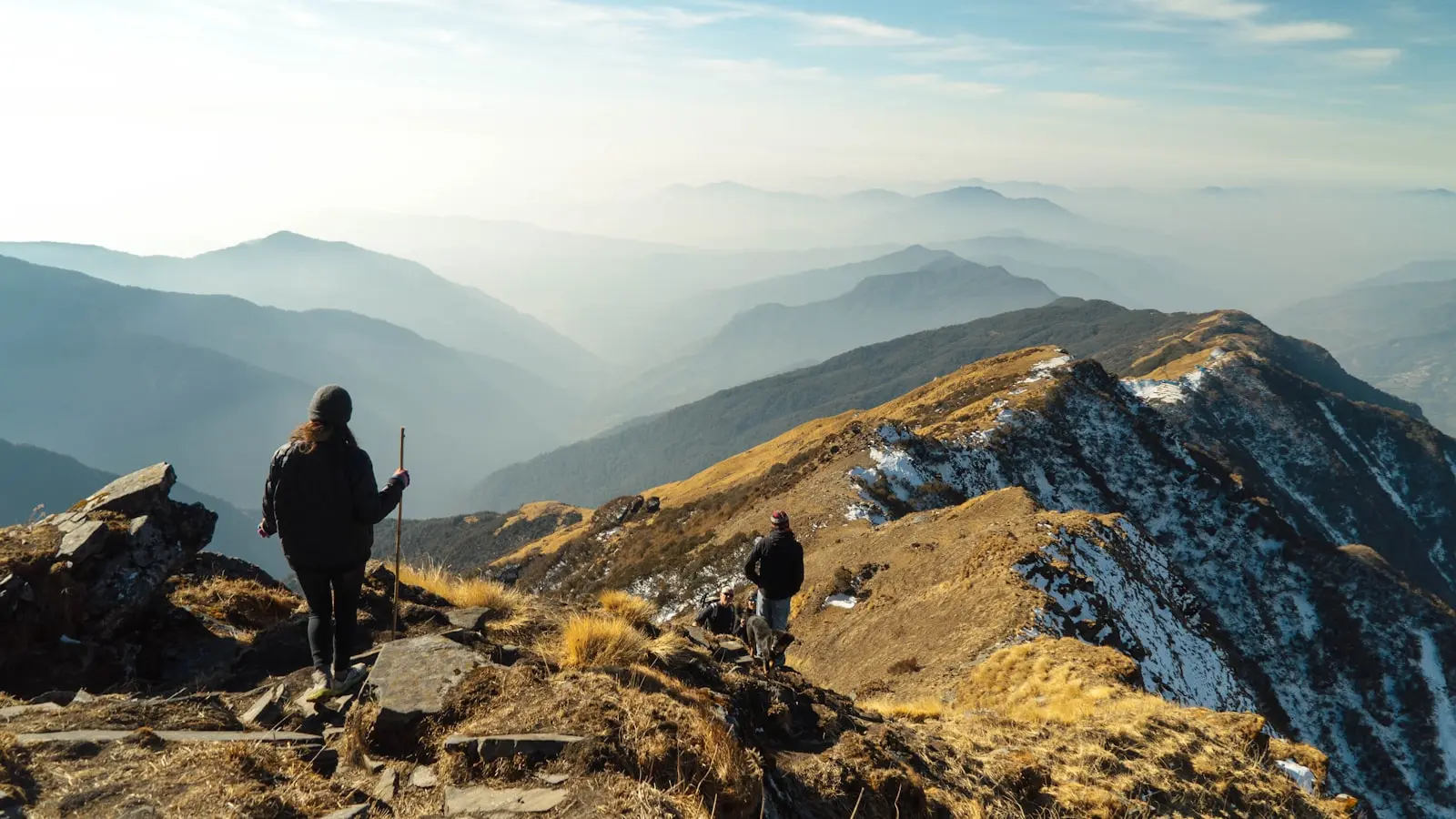
The Reddit Post That Ignited a Conversation
In early 2025, a user on Reddit shared photographs from a one-week solo hiking trip to Madeira, Portugal. The images depicted lush green landscapes, winding coastal paths, and serene forest trails. The user described daily hikes, immersion in greenery, and a palpable sense of calm. The post quickly gained traction. Commenters reported feeling a shared sense of rejuvenation, many noting that simply viewing the images lowered their anxiety. This organic reaction is not mere sentimentality. It reflects a growing body of clinical research on ecotherapy—the therapeutic use of nature exposure to improve mental health.
Ecotherapy and the Cortisol Connection
Ecotherapy is not a fringe concept. Multiple controlled studies have demonstrated that time spent in natural environments can lower cortisol, the primary stress hormone. A 2019 meta-analysis published in Frontiers in Psychology reviewed 31 studies and found consistent reductions in cortisol levels following nature exposure. The effect was strongest when participants engaged in physical activity, such as hiking, while immersed in natural settings. The Reddit post’s user description—daily hikes combined with visual and olfactory immersion in greenery—aligns precisely with the conditions that produce measurable biological changes. (The post itself did not claim to be a clinical trial, but the commenters’ reactions mirror the self-reported mood improvements seen in lab settings.)
Why Solo Hiking Amplifies the Benefit
The nature exposure alone is not the full picture. Solo hiking introduces additional psychological variables. First, it demands a disconnection from digital stimuli. Without constant notifications, the brain can shift from a state of high alert to a more relaxed, default mode network. Second, physical exertion releases endorphins and dopamine, which counteract anxiety. Third, the solitude provides an opportunity for introspection without social evaluation. A 2020 study in the Journal of Environmental Psychology found that solo nature walks led to greater reductions in rumination—a hallmark of anxiety—compared to walks with a companion. The key is that the activity is self-directed and uninterrupted.
The Madeira Environment as a Therapeutic Setting
Madeira is not an arbitrary backdrop. The island’s unique geography—a mix of laurel forests, volcanic mountains, and coastal cliffs—offers a high degree of biodiversity and sensory variety. Research indicates that environments with high fractal complexity (such as natural landscapes) are more restorative than monotonous urban or manicured settings. The Reddit user’s photos show dense foliage, irregular rock formations, and ocean vistas. This variety may enhance the restorative effect. Additionally, the trip lasted one week, which is significant. Studies on residential nature exposure suggest that the benefits of ecotherapy accumulate over days, not just hours. A single hike is helpful; a week of sustained immersion is more likely to produce lasting changes in mood and anxiety levels.
Understanding the Mechanism: From Cortisol to Cognitive Restoration
To be precise, the anxiolytic effect of solo hiking operates through at least three pathways. The first is physiological: cortisol reduction, heart rate variability improvement, and decreased blood pressure. The second is cognitive: Attention Restoration Theory (ART) posits that nature engages involuntary attention, allowing directed attention mechanisms to recover from fatigue. The third is emotional: nature evokes awe and wonder, which shift perspective away from personal worries. A 2015 paper in Emotion demonstrated that awe experienced in nature predicted lower levels of pro-inflammatory cytokines, linking emotional response to immune function. (Of course, not every hiker will experience awe. But the structural elements—vastness, novelty, and beauty—are consistently associated with positive emotional shifts.)
Practical Considerations for Those With Anxiety
The Reddit post also prompted questions about safety and practicality for individuals with anxiety. Solo hiking is not a replacement for clinical treatment. For those with moderate to severe anxiety disorders, professional therapy and medication remain first-line interventions. However, as an adjunct strategy, it can be highly effective. The key is to start with short, familiar routes and gradually increase duration and novelty. Disconnecting from digital devices is critical; leaving the phone in airplane mode during the hike is advisable. The Madeira post’s user noted that they planned the trip meticulously, chose well-marked trails, and carried adequate supplies. This approach—preparation without rigidity—can reduce anticipatory anxiety about the hike itself.
The Limitations of Anecdotal Evidence
It is important to separate the Reddit post from clinical evidence. The post is a single anecdote, and commenters’ self-reports are subject to confirmation bias and placebo effects. However, the convergence of anecdote with controlled research is noteworthy. The post did not claim to cure anxiety; it simply reported an improved mood. That claim is supported by evidence. The broader conversation on the thread—users expressing that they felt calmer after viewing the images—also aligns with findings on vicarious nature exposure: even viewing natural scenes can lower stress, though the effect is smaller than actual immersion.
Integrating Solo Hiking Into a Mental Health Routine
For clinicians and patients alike, the takeaway is straightforward. Solo hiking in natural environments, particularly in biodiverse settings like Madeira, can serve as a low-cost, accessible intervention for mild anxiety. It combines physical activity, nature exposure, and digital disconnection—three evidence-based components. The duration matters: aim for at least 30 minutes per session, multiple times per week, with at least one longer immersion (e.g., a full day hike) per month. (The Reddit user’s one-week trip is aspirational but not required for benefit.)
Conclusion
The Reddit post from Madeira is not a scientific study, but it is a useful case study in how real people experience the mental health benefits of nature. The research on ecotherapy, cortisol reduction, and attention restoration supports the idea that solo hiking can alleviate mild anxiety. The mechanism is biological, cognitive, and emotional. For those seeking a practical tool to complement formal treatment, solo hiking deserves serious consideration. (And if you cannot travel to Madeira, a local nature preserve works similarly—though the views may not be as photogenic.)