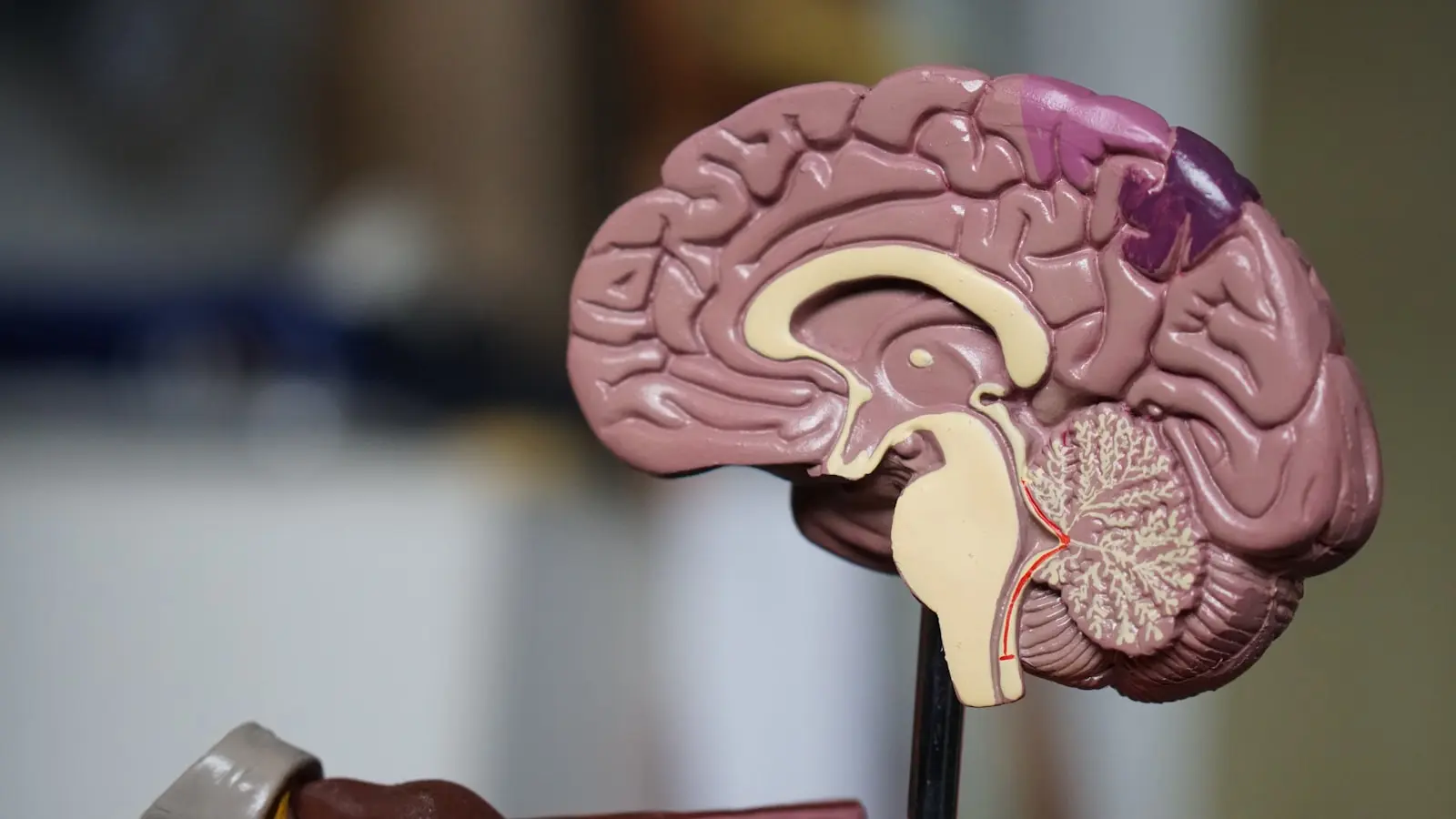

A recent large-scale observational study has drawn considerable attention for its finding of a correlation between the herpes zoster (shingles) vaccine and a reduced rate of new dementia diagnoses. The research, which analyzed health records from a large adult population in Wales, suggests that individuals who received the vaccination experienced a notably slower progression toward cognitive impairment compared to their unvaccinated peers. This has reignited scientific inquiry into the complex relationship between viral infections, the immune system, and neurodegenerative disease. While the finding is compelling, a rigorous and dispassionate evaluation of the evidence is necessary to separate established fact from preliminary association. The central question is not whether a link exists, but whether that link is causal and what mechanisms might underpin it. This analysis will deconstruct the study’s findings, explore the plausible biological pathways, and critically assess the limitations inherent in this type of research before arriving at a practical conclusion for public health.
Understanding the Core Findings
The study published in 2025 was observational in nature, a crucial distinction from a randomized controlled trial (RCT). Researchers leveraged a comprehensive database of anonymized health records, allowing them to compare two large groups of adults over the age of 50: those who had received the shingles vaccine (primarily the recombinant zoster vaccine, Shingrix) and a carefully matched group who had not. The primary endpoint was the incidence of a new dementia diagnosis over a multi-year follow-up period.
The results indicated a statistically significant reduction in dementia diagnoses among the vaccinated cohort. This means the observed difference was unlikely to be a result of random chance. However, it is essential to understand what this statistical association does and does not imply. An observational study can identify powerful correlations that serve as the foundation for future investigation, but it cannot, by its design, definitively prove causation. The possibility of confounding variables—other factors that could be responsible for the observed outcome—remains a primary consideration. For instance, the study’s authors acknowledged the potential for a “healthy user bias.”
The Neuro-Inflammatory Hypothesis
The findings, while preliminary, align with a growing body of evidence supporting the neuro-inflammatory hypothesis of dementia, particularly Alzheimer’s disease. This model posits that chronic inflammation in the brain is a key driver of the neurodegenerative process. The varicella-zoster virus (VZV), which causes chickenpox and later lies dormant in nerve tissues, can reactivate in later life to cause shingles. This reactivation provokes a strong inflammatory response.
The hypothesis is that such viral-induced inflammation is not confined locally but can contribute to a state of systemic, low-grade inflammation that also affects the central nervous system. In the brain, specialized immune cells known as microglia and astrocytes respond to inflammatory signals. While this response is protective in the short term, chronic activation can become damaging. Sustained neuroinflammation is known to accelerate the pathological hallmarks of Alzheimer’s disease, namely the aggregation of amyloid-beta plaques and the formation of neurofibrillary tangles from hyperphosphorylated tau protein. By preventing the reactivation of VZV, the shingles vaccine effectively blocks a potent inflammatory trigger. The theory is that this reduction in the overall inflammatory burden on the body and brain may slow the cascade of events leading to neuronal damage and cognitive decline. This mechanism does not suggest the vaccine is a cure for dementia, but rather that it may mitigate one of a constellation of risk factors that contribute to its onset and progression. This viral link is not new; research has previously implicated other herpesviruses, such as herpes simplex virus 1 (HSV-1), in elevated Alzheimer’s risk.
Evaluating the Evidence Strengths and Limitations
A responsible interpretation of this study requires a balanced view of its strengths and weaknesses. The primary strength lies in its large sample size, which lends statistical power to the findings and increases confidence that the observed association is not spurious. Furthermore, the results are biologically plausible, fitting neatly within the established framework of neuroinflammation’s role in dementia. The study contributes a significant piece of data to the ongoing investigation of the infectious hypothesis of Alzheimer’s disease.
However, the limitations are equally significant and must temper any premature conclusions. The most profound limitation is the observational design. The “healthy user bias” is a classic confounder in epidemiology. Individuals who opt to receive the shingles vaccine may be more health-conscious in general. They might be more likely to adhere to medical advice, engage in regular physical activity, maintain a healthier diet, and have better management of vascular risk factors like hypertension and diabetes—all of which are independently associated with a lower risk of dementia. While researchers use statistical methods to adjust for known confounders, it is virtually impossible to account for all of them. Therefore, the reduced dementia risk could be attributable to this constellation of healthy behaviors rather than the vaccine itself. To establish a causal link, a randomized controlled trial is the gold standard. In an RCT, participants would be randomly assigned to receive either the shingles vaccine or a placebo, and then followed over time to compare dementia incidence. This randomization helps ensure that both known and unknown confounding factors are evenly distributed between the groups, isolating the effect of the vaccine. Plans for such trials are reportedly underway, and their results will be critical for validating these initial observational findings.
Public Health Implications and Practical Recommendations
Given the current evidence, how should these findings influence public health messaging and individual decisions? The answer is with measured prudence. The primary and well-established reason to receive the shingles vaccine remains the prevention of herpes zoster and its debilitating complications, most notably postherpetic neuralgia (PHN), a condition of chronic and often severe nerve pain. The vaccine, particularly Shingrix, has demonstrated high efficacy in preventing shingles. This benefit is proven and constitutes the basis for current recommendations from health authorities worldwide, which typically advise vaccination for adults aged 50 and older.
The potential for an additional benefit related to brain health is a compelling and encouraging possibility. It adds another layer to the rationale for vaccination, but it should not yet be considered the primary one. It is crucial to manage expectations and avoid positioning the shingles vaccine as a “dementia vaccine.” Dementia is a complex, multifactorial condition with genetic, lifestyle, and environmental components. It is highly unlikely that a single intervention can prevent it entirely. The most effective strategy for dementia risk reduction remains a comprehensive approach. This includes managing cardiovascular health (controlling blood pressure, cholesterol, and blood sugar), engaging in regular physical and cognitive activity, maintaining social connections, and consuming a balanced diet rich in antioxidants and anti-inflammatory compounds. The shingles vaccine can be viewed as another potential tool within this broader toolkit for healthy aging—one that addresses a specific inflammatory pathway. Therefore, the practical takeaway for eligible adults is straightforward: the recommendation to get vaccinated against shingles is already strong based on its proven efficacy. This new research provides another compelling, though still correlational, reason to follow that advice.
Conclusion The Path Forward
The recent study linking the shingles vaccine to a lower rate of dementia diagnosis marks an important development in neuro-epidemiology. It provides a strong, population-level signal that warrants serious scientific follow-up. The findings give further credence to the theory that viral infections and the subsequent inflammatory responses play a meaningful role in the pathogenesis of neurodegenerative diseases. However, enthusiasm must be tempered by scientific rigor. The observed link is, at present, an association, not a proven cause-and-effect relationship. The scientific community must now move from observation to intervention, designing and executing randomized controlled trials to determine if the vaccine itself confers direct neuroprotective benefits. Until then, the shingles vaccine should be valued for what it is definitively known to do: provide robust protection against a painful and common disease of aging. The possibility that it may also help protect the brain is a profound and hopeful prospect, representing not a final answer, but a promising new direction in the long and arduous search for ways to prevent dementia.