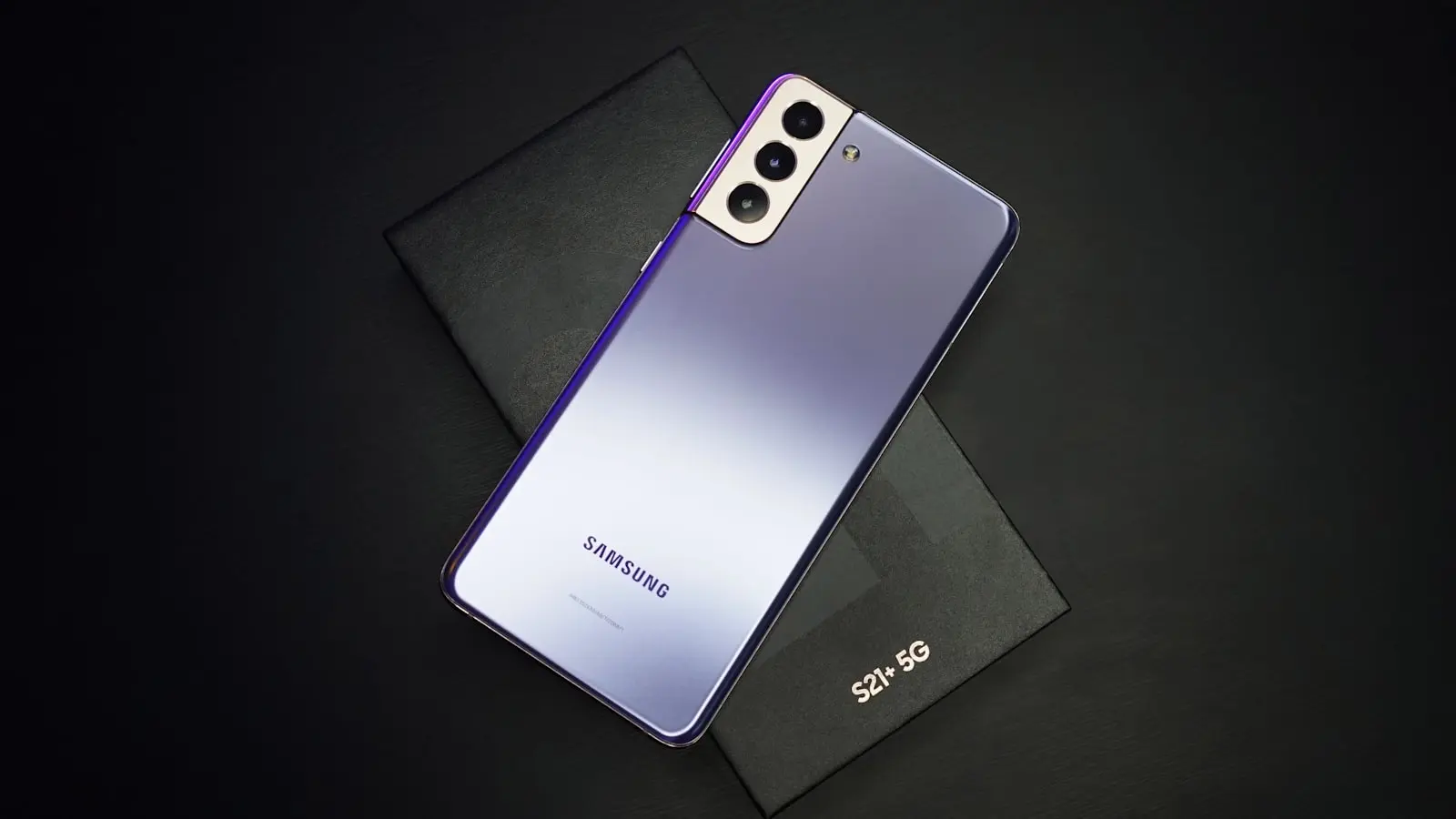

Samsung Electronics has launched its Galaxy S26 Ultra, a device whose headline feature is not a marginal increase in camera megapixels or processing speed, but a direct, hardware-level assault on the digital privacy problem. The introduction of its proprietary ‘Privacy Display’ recalibrates the smartphone market’s value proposition, moving the battleground from software-based permissions to physical, electronically controlled light. The feature allows the user to instantly narrow the screen’s viewing angle, rendering it opaque to anyone viewing from the side.
The mechanism, which Samsung calls ‘Aperture Crystal’ technology, is an electro-responsive crystalline substrate layered directly into the display stack. Unlike adhesive films that degrade image quality or software solutions that merely dim pixels, this is a hardware function. A toggle in the device’s control center sends an electrical charge through the substrate, causing the crystals to align in a way that physically blocks light from escaping beyond a predefined conical angle, adjustable by the user from 30 to 60 degrees. The impact on the primary user’s brightness and color fidelity is reportedly minimal—a significant engineering feat. This is not an accessory. It is a core component of the display panel itself.
This development does not exist in a vacuum. It is a calculated response to a market increasingly defined by the tension between connectivity and surveillance. For years, Apple has successfully marketed privacy as a core tenet of its ecosystem, primarily through software controls like App Tracking Transparency. Samsung, long competing on specifications and features, found itself on the defensive. The S26 Ultra’s Privacy Display is a strategic pivot. It reframes the argument, proposing that true privacy cannot be guaranteed by software policies alone, which can be changed or circumvented, but must be enforced by the physical properties of the device itself. (A direct shot at Cupertino.)
Unpacking the Hardware Proposition
The market for privacy solutions is dominated by low-tech applications. Think of the ubiquitous 3M privacy filters clipped to office monitors or adhered, often poorly, to phone screens. These products are a compromise, permanently reducing screen brightness and clarity in exchange for a fixed angle of privacy. Software-based alternatives, offered by some banking apps or device manufacturers, simply apply a dark overlay with a small viewable window, a crude solution that fails to truly obscure sensitive information.
Samsung’s Aperture Crystal technology renders these solutions obsolete for high-end users. The cost, however, is embedded directly into the bill of materials (BOM). Analysts estimate the new display module could add between $40 to $65 to the unit cost of each S26 Ultra. This is a material increase. The decision signals Samsung’s confidence that a specific market segment is willing to pay a premium for tangible security. It also showcases the power of vertical integration. As Samsung Display is the primary innovator and manufacturer of this technology, the company creates a formidable competitive moat. Competitors like Google or Xiaomi cannot simply purchase a similar panel off the shelf from a supplier like BOE. Not yet.
A Calculated Play for the Enterprise Market
While the consumer marketing will focus on protecting banking details on public transport, the true target is the enterprise sector. The Privacy Display is a feature built for Chief Information Security Officers (CISOs). Corporate espionage, visual hacking in open-plan offices, and the simple risk of a high-level executive reviewing a sensitive M&A document on a flight represent quantifiable financial risks. Samsung is positioning the S26 Ultra as an essential tool for corporate risk mitigation.
Paired with its existing Knox security platform, which provides software and hardware-level encryption and data isolation, the Privacy Display completes a compelling security narrative. It transforms the device from a high-end consumer gadget into a deployable enterprise asset. This allows Samsung to justify the higher price point not through consumer trends, but through corporate IT and security budgets. The phone is no longer just for ‘prosumers’ taking photos; it is for lawyers, bankers, and government officials handling classified information. This is a direct challenge to the dominance of specialized, and often clunky, secure communications devices.
Economic Trade-Offs and Market Pressures
Samsung faces a critical pricing decision. It can either pass the full cost of the new display technology to the consumer, pushing the S26 Ultra into an even more rarified price bracket, or it can absorb a portion of the cost to accelerate adoption and exert maximum pressure on its competitors. The latter strategy would signal an aggressive push for market share in the lucrative enterprise and government sectors.
The lifespan of this hardware advantage is another critical variable. While Samsung’s vertical integration provides an initial lead, industrial manufacturing is a game of imitation. Competing display manufacturers will race to reverse-engineer and replicate the technology. The key question is whether Samsung can establish the Privacy Display as a brand-defining feature, synonymous with Galaxy, before it becomes a commoditized component available to all Android OEMs. (Assuming the supply chain holds.)
There is also the marketing challenge to consider. Unlike a camera with a higher megapixel count, the benefit of the Privacy Display is the absence of a negative event. It is an insurance policy. Marketing the prevention of a problem is substantially more difficult than marketing a new, visible capability. The success of the S26 Ultra will depend heavily on Samsung’s ability to create a narrative of ambient threat that makes this defensive feature feel indispensable. (Marketing this will be a nightmare.)
The Ripple Effect on the Smartphone Duopoly
This move puts Apple in an uncomfortable position. The company has built its brand on being the default choice for the privacy-conscious consumer. Samsung has now introduced a tangible, physical privacy feature that Apple cannot immediately replicate. An iPhone’s software cannot physically stop photons from leaving its screen at a wide angle. A response would require a fundamental change to its display supply chain and hardware engineering, a process that takes years, not months.
Apple’s immediate response will likely be to downplay the threat of visual hacking and emphasize its own holistic, ecosystem-wide security measures. Meanwhile, its engineers will undoubtedly be tasked with developing a competing hardware solution. For Google’s Pixel line, the challenge is even more acute. As a company whose business model is fundamentally based on data, a hardware privacy feature is philosophically off-brand, and as a smaller hardware player, it lacks Samsung’s manufacturing scale and vertical integration.
Samsung has not just launched a new phone. It has opened a new front in the smartphone war, shifting the conflict from app stores and operating systems to the very physics of the display panel. The market will now watch to see if consumers and corporations value this physical layer of security enough to reward Samsung’s expensive and audacious engineering gambit. The capital has been deployed. The reaction is pending.