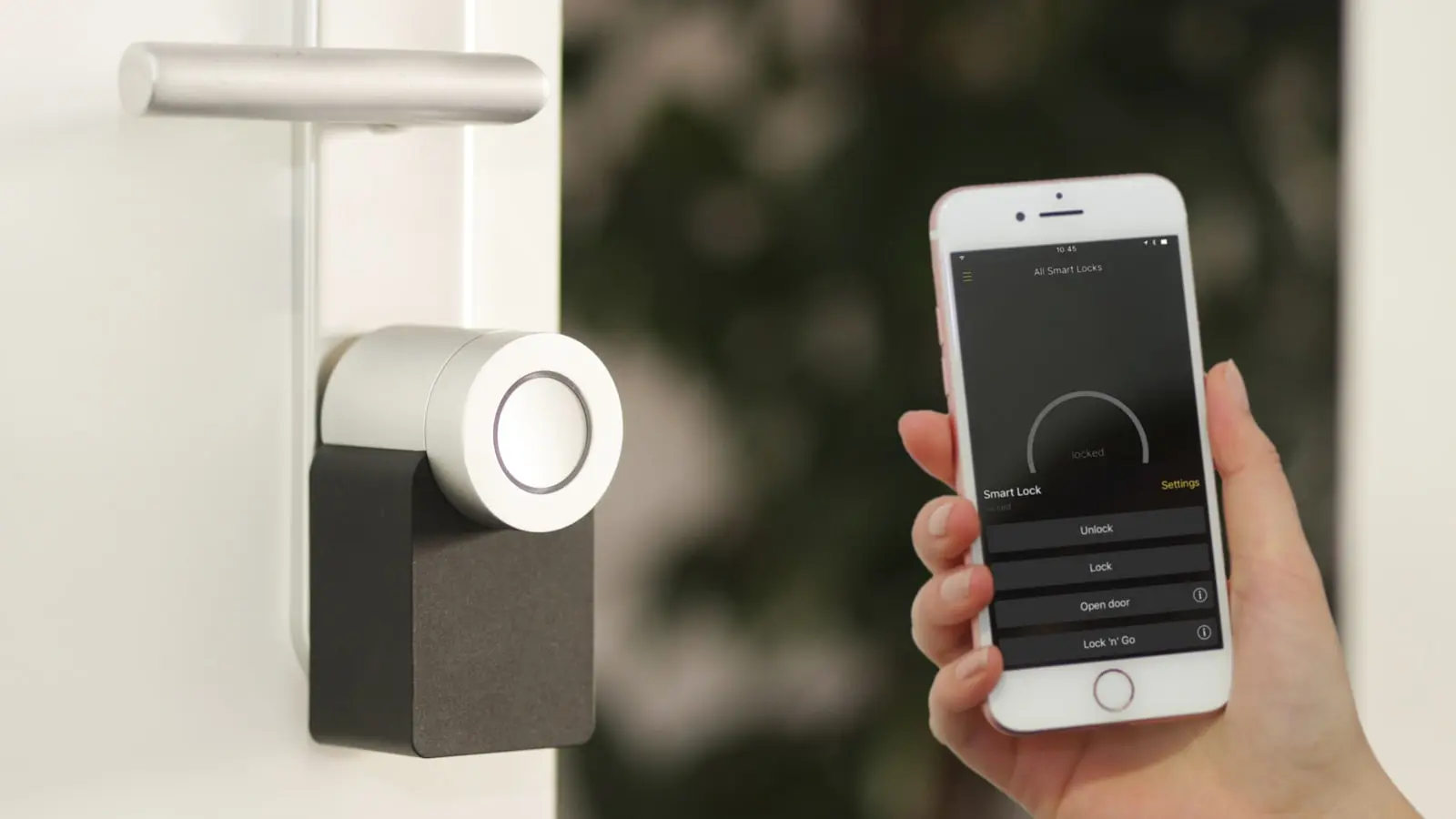

Samsung is fundamentally altering its approach to digital home access by integrating the Aliro standard into its new Digital Home Key feature. This is not a minor software update. It represents a strategic pivot away from fragmented, proprietary systems and toward an open, interoperable ecosystem for smart locks. The move positions Samsung and the Android ecosystem as a direct competitor to Apple’s tightly controlled Home Key, signaling a new front in the battle for the connected home.
The initiative aims to solve a persistent and frustrating problem in the smart home market: fragmentation. Until now, a smart lock from Schlage required the Schlage app, a Yale lock needed the Yale app, and so on. While some consolidation has occurred through platforms like Google Home or Amazon Alexa for remote control, the core function of a secure, device-native digital key has remained balkanized. Samsung’s adoption of Aliro is a bet that a universal standard is the only viable path forward.
This new Digital Home Key will reside within Samsung Wallet, leveraging the device’s integrated secure element for cryptographic safety. The goal is to provide a single, reliable interface to store, use, and share digital keys for compatible locks, regardless of the manufacturer. This is a significant departure from building a proprietary Samsung-only solution, and it places pressure on the entire industry to coalesce around a common protocol.
The Technical Mechanism What is Aliro
To understand the significance of this move, one must first understand Aliro. Developed by the Connectivity Standards Alliance (CSA), the same organization behind the Matter smart home protocol, Aliro is not a new wireless technology. Instead, it is a standardized communication protocol designed to unify the way locks, readers, and mobile devices interact. It creates a common language that can be spoken over existing wireless radios like Bluetooth Low Energy (BLE), Near-Field Communication (NFC), and Ultra-Wideband (UWB).
Here is how the system is designed to function in the real world:
- Credential Provisioning: A user adds a new lock to their Samsung Wallet. The lock manufacturer’s cloud service communicates with Samsung’s system to securely issue a unique cryptographic key, which is then stored in the phone’s hardware secure element. This process ensures the key cannot be easily copied or extracted.
- Communication Protocols: When a user approaches a door, the system can use different radios for different experiences. BLE can be used for longer-range communication to ‘wake up’ the lock. NFC enables a simple ‘tap-to-unlock’ experience, similar to a contactless payment. UWB provides highly accurate spatial awareness, allowing for a seamless, hands-free unlock as you approach the door, without ever taking your phone out.
The core innovation of Aliro is not the use of these radios—Apple’s Home Key uses them too. The innovation is the standardization of the data packets, security handshakes, and credential formats being transmitted. This means a lock manufacturer like Assa Abloy or Schlage can build a single Aliro-compatible lock, confident it will work with any device—Samsung today, a Google Pixel or another Android device tomorrow—that also supports the standard. (This dramatically reduces R&D overhead for hardware makers).
A Direct Challenge to Apple’s Ecosystem
Samsung’s implementation of Aliro is an explicit counter-move to Apple Home Key. For years, Apple has offered a polished, reliable digital key experience, but one that is exclusively tied to the Apple ecosystem. To use Home Key, you need an iPhone or Apple Watch and a compatible lock. While the experience is seamless, it reinforces vendor lock-in.
Let’s compare the two approaches from a practical standpoint:
- Ecosystem Philosophy: Apple employs a vertical integration model. It controls the hardware (iPhone), the software (iOS), the wallet application, and the certification process (MFi) for lock makers. This ensures a consistent, high-quality experience but limits choice and can lead to higher prices. Samsung, by adopting the open Aliro standard, is championing a horizontal model. It allows any lock maker to participate and gives consumers more hardware options, fostering competition.
- User Experience: Apple’s primary advantage is its flawless execution. Home Key is fast and deeply integrated, with features like Express Mode allowing users to unlock doors even when their iPhone’s battery is depleted. The challenge for Aliro is to achieve this same level of reliability and polish across a diverse range of devices and lock hardware from dozens of different manufacturers. An open standard can sometimes lead to inconsistent implementations. (This will be the key metric for success).
- Security Architecture: Both systems are fundamentally secure, leveraging hardware-based secure elements to protect cryptographic keys. The underlying security principles are similar, making both resistant to simple digital cloning or replay attacks. The debate is not about which is more secure in theory, but how robustly each company and its partners implement the standard in practice.
By choosing an open path, Samsung is sacrificing a degree of control for the promise of wider adoption and greater consumer choice. It is a long-term play that banks on the market’s preference for interoperability over a perfectly curated but closed system.
Market Implications and Hurdles
Samsung’s backing provides Aliro with immediate, large-scale credibility. As one of the world’s largest smartphone manufacturers, its support can catalyze the market. Lock manufacturers who were previously hesitant to invest in a new standard now have a compelling reason to develop Aliro-compatible hardware.
For consumers, the benefits are clear. In an Aliro-powered future, you could buy a smart lock without first checking if it’s compatible with your specific phone brand. You could share a digital key from your Samsung phone with a friend who uses a different brand of Android device, assuming they also support Aliro. It effectively decouples the lock from the phone ecosystem. (Frankly, this is how it should have worked from the beginning).
However, significant hurdles remain. The primary obstacle is adoption. While Samsung is a massive first mover, the rest of the Android ecosystem, particularly Google, needs to commit to integrating Aliro natively for the standard to truly become universal. Furthermore, the world’s most valuable consumer electronics company, Apple, has shown little interest in adopting open standards where its own proprietary solutions exist. It is highly unlikely Apple will replace its own Home Key with Aliro, creating a potential two-standard market: Aliro for Android and Home Key for iOS.
The speed of hardware availability will also be critical. Consumers will not care about the new standard until they can walk into a store and buy a lock that supports it. Partnerships with major lock brands like Yale, Schlage, and Kwikset will be essential, and those products need to be on shelves in a timely manner.
Conclusion The Right Move on a Long Road
Samsung’s decision to build its Digital Home Key on the Aliro standard is a technically sound and strategically important move. It prioritizes the long-term health of the smart home ecosystem and user choice over the short-term benefits of a proprietary, locked-down system. By leveraging the work of the CSA, Samsung is betting on the same collaborative success that is slowly but surely driving adoption of the Matter protocol.
The technology itself is solid, built upon proven wireless technologies and robust security principles. The real challenge is not technical; it is commercial and logistical. The success of Aliro will not be determined by its specifications but by the breadth and speed of its adoption across both smartphone and smart lock manufacturers.
This initiative will not deliver a universal key tomorrow. It is the beginning of a transition. For now, Apple Home Key remains the most polished and reliable implementation of a digital key. But Samsung has laid the groundwork for a more open, competitive, and consumer-friendly future. The promise is a world where your digital house key is as universal as your physical one. The execution will determine how long it takes to get there.