
The Biomechanical Reality of Finger Loading
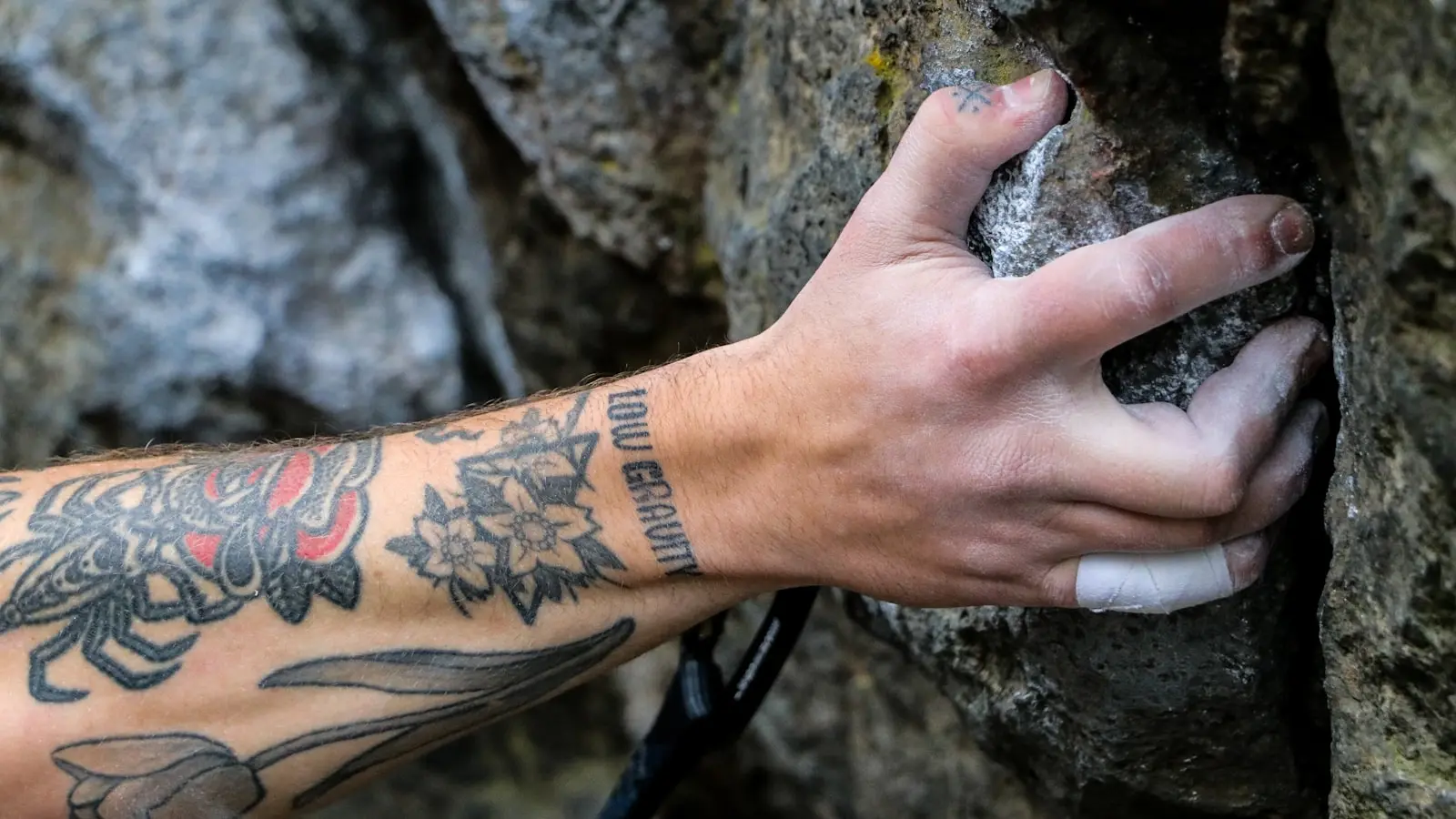
In the high-stakes environment of competitive rock climbing, the physiological demands placed on the digits are immense. Recent research published in the International Journal of Sports Medicine (June 2024) highlights a stark reality: elite athletes like Janja Garnbret routinely subject their finger structures to forces exceeding 500 newtons during intense crimp-grip maneuvers. When a climber executes a crimp, the A2 and A4 pulleys—the primary structures responsible for keeping the flexor tendons flush against the phalanges—experience near-maximal tension. For the elite, this is a calculated professional risk. For the recreational climber, it is a frequent path to chronic injury. (Is this truly worth the long-term joint health trade-off?)
The Fallacy of Mimicking Elite Training
The professionalization of rock climbing has created a unique cultural pressure. Recreational enthusiasts, often without professional oversight, attempt to mirror the training regimes of World Cup competitors. This gap between aspiration and physiological readiness is where the majority of overuse injuries occur. The tendons and pulleys do not adapt to stress with the same speed as skeletal muscle. While a climber may feel ‘fit’ because their pulling muscles have recovered, the connective tissue often remains in a state of deficit. Chronic pulley strain is frequently the result of this mismatch in recovery timelines.
Science Based Strategies for Tissue Adaptation
Evidence suggests that forced adaptation through high-intensity volume is a strategy prone to failure. Instead, sports medicine research points toward three specific pillars for maintaining pulley integrity:
- Slow-Eccentric Loading: This protocol involves controlled, sub-maximal hanging where the tissue is subjected to tension while lengthening. This promotes collagen alignment rather than simple hypertrophy.
- Progressive Hangboard Protocols: Rather than maximum weight tests, climbers should focus on incremental intensity increases over weeks, not days. The goal is to stimulate structural changes in the pulley tissue without reaching the rupture threshold.
- Mandatory Recovery Windows: Muscle recovery is not synonymous with tendon recovery. Clinical data suggests that high-intensity sessions require a minimum of 48 to 72 hours of complete rest for the affected tissues. (Skipping this recovery is the fastest route to a clinical diagnosis.)
Why Low Load Conditioning Wins
Orthopedic surgeons, including Dr. Elena Voss, consistently observe a trend in the clinic: patients who favor sporadic, high-intensity “limit” bouldering sessions significantly increase their risk of A2 and A4 pulley ruptures. The fundamental error lies in the underestimation of tendon recovery timelines. Consistent, low-load conditioning provides the necessary mechanical signals for tissue strengthening without the catastrophic risk of acute failure.
| Variable | Elite Strategy | Recreational Error |
|---|---|---|
| Training Volume | Periodized Cycles | Unstructured Intensity |
| Recovery Time | 48-72 Hours | Negligible |
| Load Progression | Gradual/Calculated | Explosive/Spontaneous |
| Goal | Performance | Imitation |
Long Term Implications
Developing a durable finger requires patience that modern training trends often discourage. The physiology of the human hand is not designed for the extreme crimp-loading required by modern bouldering routes. To sustain a lifetime of climbing, practitioners must treat their pulleys as biological infrastructure that requires regular, moderate maintenance rather than sporadic, extreme testing. The research is clear: structural integrity is built through the accumulation of precise, non-destructive loads over years, not through single sessions of maximum effort. If the goal is longevity, the intensity must be dialed back to the point where the tissue can actually heal. Anything else is simply gambling with anatomy.