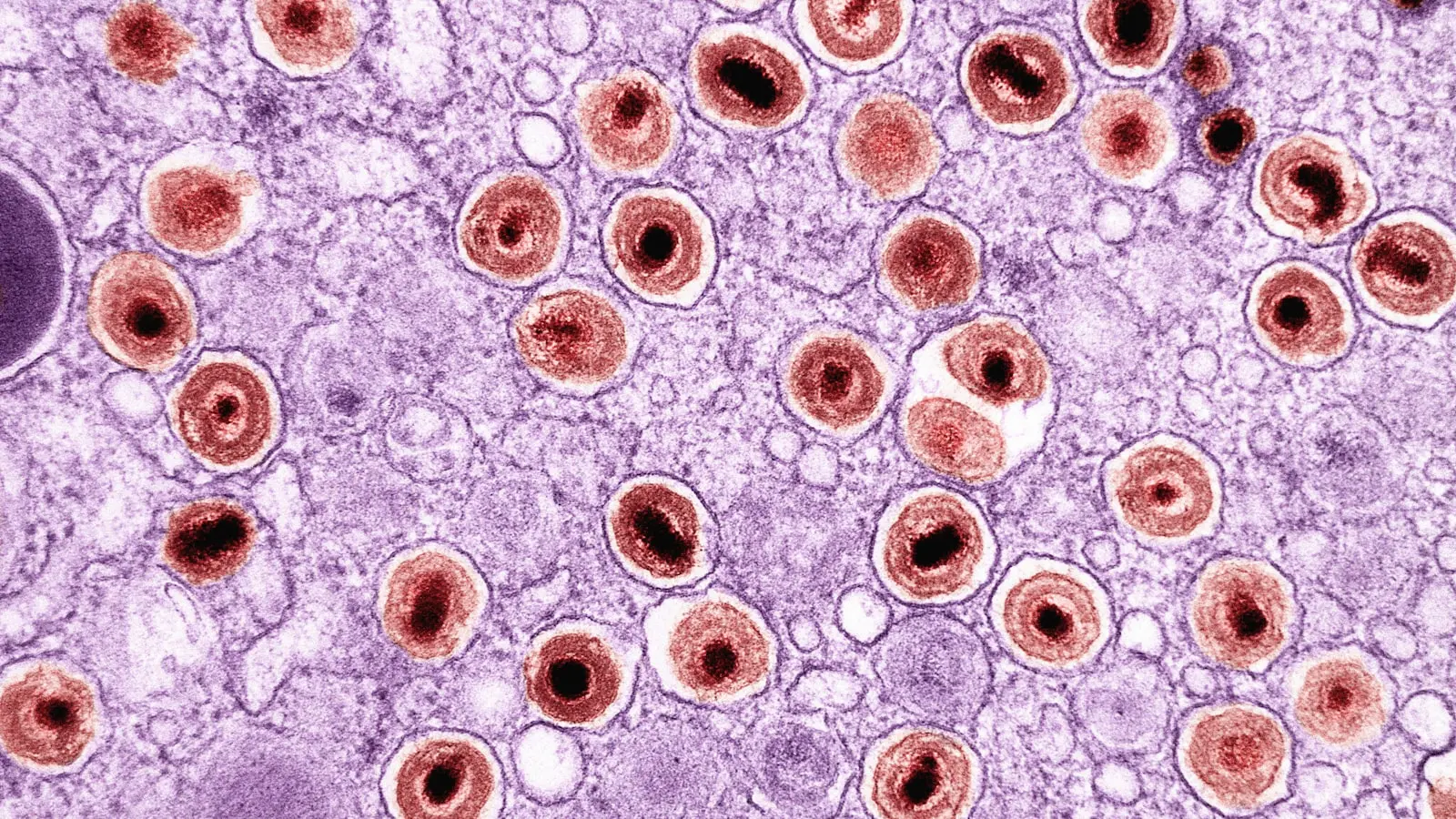

The United States logged 1,136 measles infections within the first eight weeks of 2026. This metric outpaces standard annual totals by a factor of six. Regional health departments face an escalating biological penalty driven by declining immunization rates across localized populations. The Centers for Disease Control and Prevention tracking maps indicate immediate vulnerability in states harboring dense clusters of unvaccinated children.
Out of the reported infections, 96 percent stem from individuals who completely lack or partially missed the standard measles-mumps-rubella immunization protocol. Epidemiologists project outcomes based on a rigid mathematical reality. For every 1,000 children contracting the virus, three die. One develops encephalitis, characterized by extreme brain swelling. Scaling the current figures reveals a stark trajectory. The current surge statistically guarantees permanent neurological damage or fatalities before the end of the quarter. The numbers dictate the outcome.
In the year 2000, public health authorities declared the virus eliminated within domestic borders. Decades of immunization compliance established an immunological firewall that protected infants and immunocompromised populations. That firewall fractured. The Pan American Health Organization convenes this April to officially evaluate revoking the elimination status of the United States. Revocation alters international travel advisories and forces a reallocation of federal epidemiological funding.
The Economics of an Outbreak
When emergency department administrators at Prisma Health watch contagious patients share breathing space with expectant mothers, policy shifts become mandatory. The South Carolina hospital system implemented emergency masking mandates across triage and labor units to mitigate airborne transmission. Spartanburg County operates as ground zero for the current surge. The South Carolina Department of Public Health recorded 985 cases since October. Over 93 percent of these patients bypassed the standard two-dose immunization protocol.
Tracking an airborne pathogen strains municipal budgets. The state allocated 90 personnel specifically to manage this localized outbreak. Thirty of those individuals execute contact tracing. They map the viral spread by interviewing patients, tracking physical movements, and identifying exposed contacts. The CDC Foundation recently dispatched twelve entry-level epidemiologists to supplement the exhausted state workforce. State governments burn labor capital attempting to contain a virus that costs pennies to prevent.
South Carolina public health workers administered nearly 17,000 immunizations in January alone. Fear remains an effective motivator for compliance. Reactive immunization campaigns require massive logistical coordination and immediate resource diversion. Health departments pull epidemiologists away from chronic disease management and systemic planning to fight a localized brush fire. The medical infrastructure faces an entirely preventable strain.
Viral Mechanics and Biological Fallout
Measles operates as one of the most contagious pathogens documented in medical history. The virus suspends in the ambient air for up to two hours after an infected individual leaves a room. It attacks the respiratory tract first. The pathogen binds to receptors on immune cells, essentially hijacking the very network designed to destroy it. It replicates rapidly. It spreads through the lymphatic system before infiltrating the bloodstream.
Once viremia occurs, the virus disseminates to the skin, respiratory mucosa, and various internal organs. Patients present with high fevers, coryza, and the characteristic maculopapular rash. The external symptoms represent the least dangerous phase of the infection. The virus physically deletes preexisting antibodies, triggering a biological phenomenon termed “immune amnesia.” The patient survives the primary infection only to face severe vulnerability to secondary bacterial pneumonias. (Destroying years of acquired immunity leaves children defenseless against everyday pathogens). The mechanism forces the body to rebuild its immunological memory from scratch. This physiological rebuilding takes years.
Severe complications surface with ruthless predictability. Encephalitis presents as a rapid swelling of brain tissue. Surviving patients frequently endure permanent deafness or severe intellectual disability. Several pregnant women in the South Carolina cluster required immediate administration of specialized immunoglobulins following confirmed exposure. Their exposure demanded rapid antibody infusion to prevent fetal complications or maternal pneumonia.
Adult populations face escalating risks when acquiring the infection later in life. Age increases the probability of severe viral pneumonia. The virus destroys alveolar macrophages and compromises the epithelial lining of the lungs. The patient drowns in their own inflammatory response.
Data Obscurity and Institutional Blind Spots
While South Carolina attempts operational transparency, other regions demonstrate the risks of information suppression. The southwest coast of Florida harbors a rapidly expanding cluster centered around Ave Maria University in Collier County. The Florida state health department logged at least 83 infections over a four-week period. Initial reports indicated the vast majority of cases involved university students.
The university halted internal case updates. Administrators directed the public to state dashboards. The state data omits age demographics, vaccination status, and precise exposure coordinates. (When public health agencies obscure granular infection data, local clinicians fly blind). Without precise demographic identifiers, emergency room physicians cannot accurately gauge the pre-test probability of measles when a febrile patient enters triage. Withholding basic epidemiological data forces healthcare workers to guess.
Along the Utah and Arizona border, another cluster continues to expand. Hundreds of cases materialized since late summer. The virus exploits geographic regions where ideological resistance to vaccination supersedes historical medical consensus. State lines offer no barrier to an airborne pathogen carrying an R0 value between 12 and 18. Each infected individual will transmit the virus to an average of 15 susceptible contacts. Isolation fails.
| Regional Epicenter | Recorded Infections | Primary Demographic | Current Outbreak Trajectory |
|---|---|---|---|
| South Carolina (Spartanburg) | 985 | Unvaccinated Minors | Decelerating (Intervention Active) |
| Florida (Collier County) | 83+ | University Students | Accelerating (Data Obscured) |
| Utah/Arizona Border | 300+ | Unvaccinated General | Sustained Regional Spread |
The Cost of Manufactured Susceptibility
Last year, the domestic total reached nearly 2,300 cases. Three individuals died. Two were children in Texas, and one was an adult in New Mexico. Every single fatality occurred in an unvaccinated patient. The mortality figures align perfectly with historical epidemiological models.
The current crisis stems entirely from human behavior modifying biological ecosystems. Parents decline the immunization because they fear fabricated risks regarding the vaccine more than they fear a virus they have never witnessed. (Historical success bred generational complacency). They rely on the herd immunity generated by compliant neighbors. When enough neighbors adopt the same parasitic strategy, the herd immunity collapses. The virus immediately identifies and exploits these localized pockets of susceptibility.
Over 80 percent of the current infections involve patients under the age of nineteen. One in four cases impacts children under the age of five. The demographic distribution proves that the pathogen targets the populations with the least biological defense and the least autonomy over their medical decisions. Parents dictate the exposure. Children absorb the physiological penalty.
Interstate Transmission and Federal Implications
The localized outbreak in Spartanburg County refused to remain localized. State public health officials verified sustained measles spread linked directly to the South Carolina cluster across multiple jurisdictions. North Carolina recorded 23 cases since December. This single-season metric exceeds the state total for the entire previous decade by a factor of five. Epidemiologists tracked secondary transmission chains reaching as far as Washington and California.
Tracking interstate transmission requires federal intervention. The CDC deploys field teams to conduct advanced epidemiological analysis and genomic sequencing. Sequencing allows scientists to map the precise viral lineage, proving definitively that a case in a California emergency room originated from a specific exposure event in a South Carolina grocery store. This level of epidemic intelligence requires massive capital expenditure.
The Pan American Health Organization defined measles elimination as the absence of continuous disease transmission for 12 months or longer in a specific geographic area. The United States met this criteria twenty-six years ago. (Losing this status signals a systemic regression in national healthcare infrastructure). If the current transmission chains persist uninterrupted, the official designation will vanish.
The loss of elimination status carries concrete economic penalties. International travel advisories shift. Trading partners evaluate biosecurity risks differently. Domestic insurance premiums adjust to account for the increased probability of pediatric intensive care admissions. Treating a single case of severe measles pneumonia or encephalitis easily consumes hundreds of thousands of dollars in hospital resources. The financial burden shifts from individual uninsured patients to the broader healthcare system. Taxpayers and premium holders subsidize the cost of vaccine refusal.
The clinical reality remains absolute. The virus lacks political affiliation or geographic preference. It requires only susceptible human tissue to replicate. Until vaccination rates breach the 95 percent threshold required for herd immunity, the pathogen will continue to map the exact contours of systemic vulnerability across the country. Public health authorities possess the biological mechanism to halt the spread immediately. The MMR vaccine demonstrates a 97 percent efficacy rate following the two-dose series. It prevents infection. It prevents transmission. It prevents the systemic organ damage associated with the wild-type virus. Refusing to deploy it guarantees more fatalities.