The Mechanism Behind Off-Road Motion Sickness
When a vehicle crosses 3400 kilometers of unpaved Mongolian terrain over 13 days, the cumulative effect of washboard roads and rocky tracks creates a physiological challenge that few everyday drivers anticipate. The constant low-frequency vibration and unpredictable lateral motion trigger a sensory conflict between visual input and vestibular signals, leading to nausea, dizziness, and fatigue even in individuals who typically tolerate car rides well.
Motion sickness occurs when the brain receives conflicting signals from the vestibular system in the inner ear and the visual system. On smooth roads, these signals align. On unpaved gravel roads, the constant jarring and unpredictable lateral sway create a mismatch. The vestibular system detects acceleration and rotation that the eyes do not confirm, especially if the passenger looks at a book or phone. This conflict triggers the autonomic nervous system, releasing histamine and acetylcholine, leading to nausea, pallor, sweating, and eventually vomiting. The prolonged duration—13 days—compounds the challenge because the body cannot fully habituate to the erratic stimuli.
Pharmacological Interventions
The most reliably effective strategy remains prophylactic medication. Dimenhydrinate (Dramamine), an antihistamine, blocks histamine receptors in the vomiting center. Taken 30 to 60 minutes before travel, it reduces nausea but often causes drowsiness. Meclizine (Bonine) is a less sedating alternative that works similarly. For extended multi-day trips, a scopolamine transdermal patch (Transderm Scop) provides continuous antiemetic effect for up to 72 hours. Research supports scopolamine as superior to dimenhydrinate for prevention of severe motion sickness, though side effects include dry mouth and blurred vision. Any medication should be tested prior to departure to assess individual tolerance. Driving under the influence of sedating antihistamines is not advised; passengers can use them, but drivers should consider non-sedating options or non-pharmacological methods.
Experienced overlanders frequently report that taking dimenhydrinate at the first sign of nausea is less effective than pre-dosing. The key is anticipation. A single dose taken before starting the day’s drive can prevent symptoms from escalating. For those who cannot tolerate drowsiness, meclizine offers a compromise with slightly weaker efficacy but less sedation.
Non-Pharmacological Approaches
Acupressure Wristbands
Acupressure at the P6 (Neiguan) point, located three finger-widths below the wrist, has been studied for nausea reduction. Clinical evidence is mixed. A 2014 meta-analysis found a small but significant effect for postoperative nausea, but data for motion sickness are less conclusive. Overlanders on extended trips often use these bands as a low-risk adjunct. (Even a placebo effect can be valuable when dealing with subjective symptoms.) Wristbands carry no side effects and may be worth trying alongside other measures.
Ginger
Ginger root contains bioactive compounds such as gingerols and shogaols that inhibit serotonin receptors and reduce nausea. Multiple randomized trials show ginger superior to placebo for motion sickness, with efficacy comparable to dimenhydrinate but without sedation. For extended off-road driving, ginger candies, capsules (250 mg to 1000 mg taken an hour before travel), or crystallized ginger offer convenient dosing. Peppermint oil inhalation or candies also provide a mild antiemetic effect through olfactory and gastric relaxation pathways, though large-scale trials are lacking. Some travelers combine ginger with peppermint for a synergistic effect.
Eating and Hydration
Small, frequent meals of bland carbohydrates help stabilize blood sugar and reduce the likelihood of vomiting. Avoid fatty, spicy, or acidic foods. Hydration is critical because dehydration worsens fatigue and nausea. However, drinking too much water at once can distend the stomach and aggravate symptoms. Sipping water or electrolyte solutions throughout the journey is recommended. (On gravel roads, a sudden bump can turn a full stomach into a problem.)
Seating Position and Visual Cues
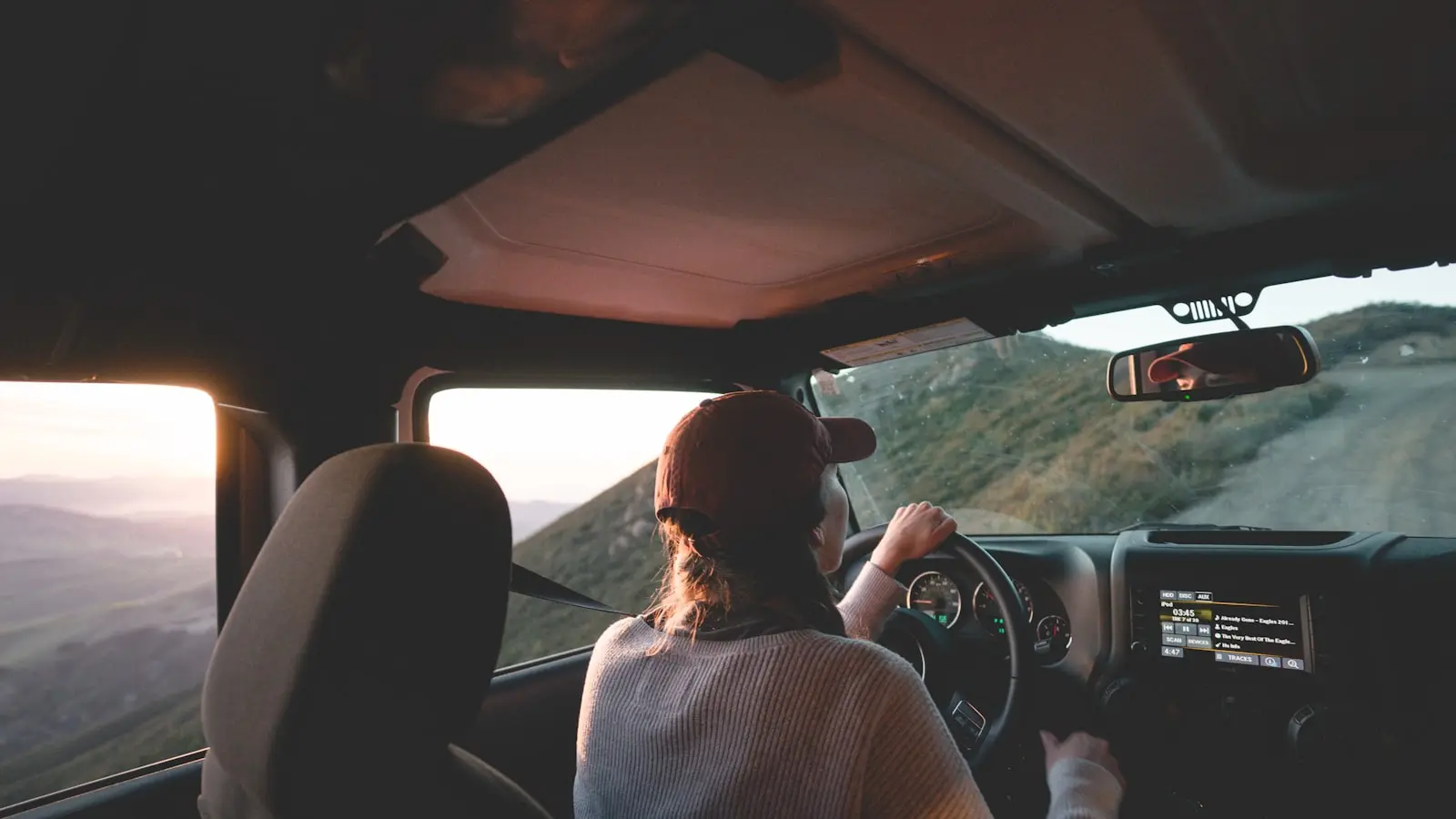
Position inside the vehicle significantly influences motion sickness. The front passenger seat experiences less lateral sway than rear seats. The driver’s seat is actually optimal: active control of the vehicle allows the brain to predict movements, reducing sensory conflict. A 2015 study in Aviation, Space, and Environmental Medicine confirmed that active drivers report significantly less motion sickness than passengers. On a 13-day off-road trip, rotating driving duties among capable members can mitigate overall sickness.
Visual fixation on the road ahead and the distant horizon stabilizes the visual-vestibular mismatch. Looking at maps, phones, or books dramatically worsens symptoms because the visual field does not match the motion sensed by the inner ear. Windows should be open for fresh air circulation, which lowers the risk of nausea. (The smell of stale air or fuel can act as a trigger.)
Breaks and Acclimatization
Frequent stops—every two hours or sooner if symptoms appear—allow the vestibular system to recalibrate. Stepping out, walking on stable ground, and closing the eyes for a few minutes reset the sensory input. Over days, some adaptation occurs, but the erratic nature of gravel roads prevents full habituation. Therefore, breaks remain essential throughout the journey. Many overlanders find that a 15-minute stop with a short walk and a ginger candy can prevent a slide into incapacitating nausea.
Individual Susceptibility
Not everyone is equally susceptible. Women, individuals with a history of migraines, and children are more prone to motion sickness. Pregnancy and hormonal fluctuations can lower thresholds. Those with known susceptibility should be especially diligent with pre-travel planning. A motion sickness diary during the first few days can help identify personal triggers—such as certain foods, reading, or dehydration—and allow for adjustments.
Practical Considerations for Long Off-Road Trips
Pre-travel planning includes consulting a physician for prescription options, especially scopolamine patches. Pack a motion sickness kit: dimenhydrinate or meclizine tablets, ginger candies, acupressure bands, and a supply of bottled water. Designate non-drowsy drivers and rest stops. If a passenger becomes sick, the driver should pull over as soon as safe to allow recovery. Vomiting is not inevitable; with early measures, many travelers can complete the trip without significant distress.
Avoid alcohol and smoking, both of which can exacerbate nausea and dehydration. Sleep quality matters: fatigue lowers the threshold for motion sickness. On a journey like the Mongolia road trip, maintaining a regular sleep schedule despite irregular driving hours is a challenge worth addressing.
The Takeaway
Preventing motion sickness during extended off-road driving requires a layered approach that starts before the engine turns over. Medication offers the strongest prophylaxis, but non-pharmacological tools like ginger, acupressure, seat selection, and visual discipline add meaningful protection. No single method works for everyone, and individual response varies. The goal is not to eliminate all discomfort—that is unrealistic over 3400 km of gravel—but to reduce nausea to a manageable level that allows the traveler to engage with the journey. Evidence supports a combination of pharmacological pre-treatment, strategic positioning, and sensory adjustments as the most reliable path to completing a long off-road expedition without being sidelined by motion sickness.