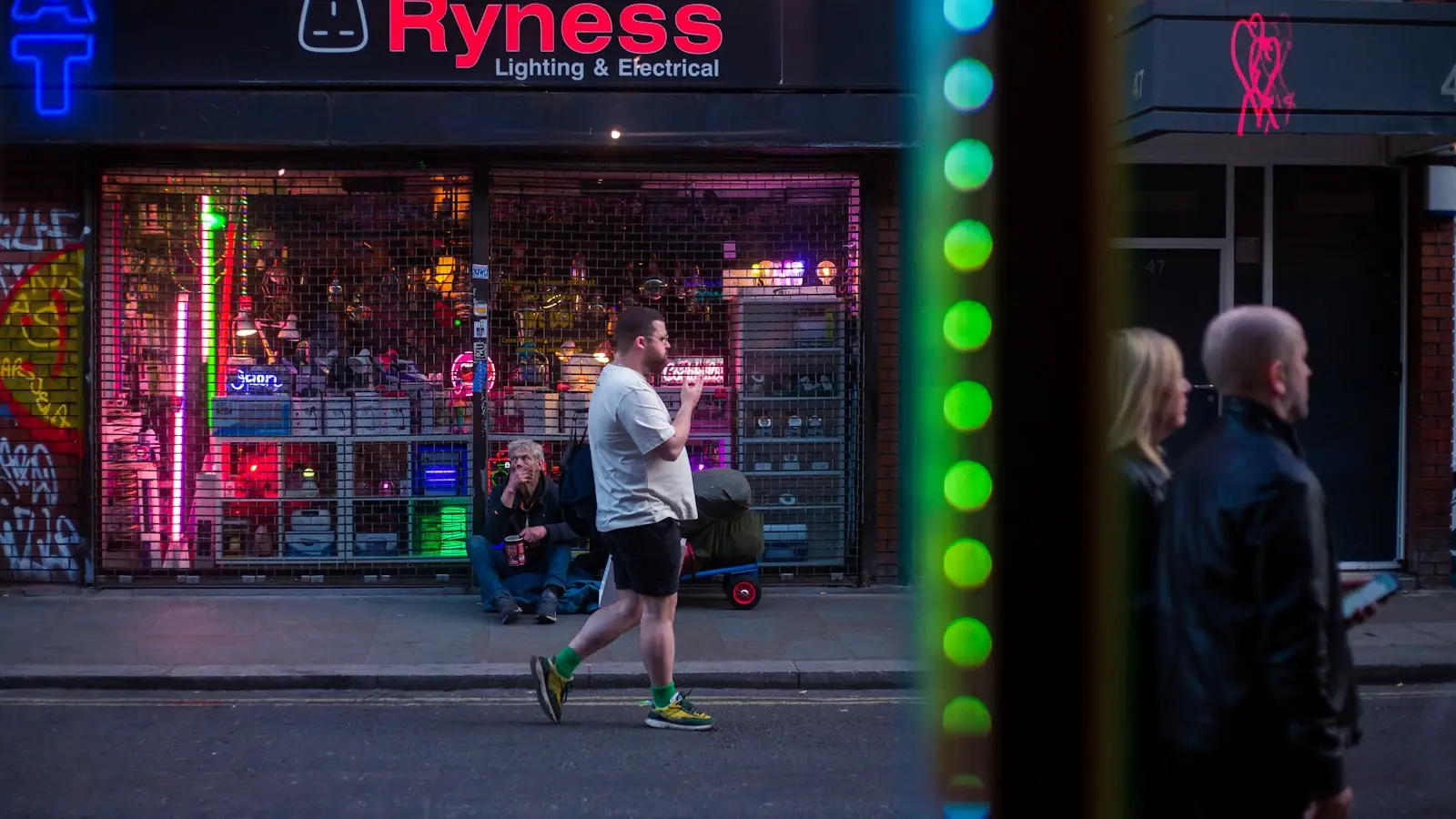

The Mechanics of Urban Fatigue
Modern tourism often involves an architectural contradiction. Travelers flock to historic European hubs like London or Brussels, anticipating aesthetic immersion, but they are met with the unforgiving physics of concrete pavements and centuries-old cobblestones. While the romantic narrative of the “city wanderer” persists, the clinical reality is distinct. Walking 15,000 to 20,000 steps daily on unyielding surfaces subjects the plantar fascia—the connective tissue spanning the sole of the foot—to repetitive, high-impact stress. Without adequate physiological preparation or structural support, this leads directly to inflammatory conditions such as plantar fasciitis and debilitating foot fatigue. (The dream vacation often ends in a pharmacy aisle.)
Why Your Fashion Footwear Fails
The primary driver of travel-related podiatric injury is the selection of footwear optimized for aesthetics rather than biomechanical support. Lifestyle sneakers, flat-soled slip-ons, and flimsy sandals are largely incapable of absorbing the kinetic energy generated by walking on stone or concrete. These shoes lack the structural integrity required to maintain arch support throughout a sixteen-hour day. When the arch collapses repeatedly under the load of the body weight, the heel bone bears an undue amount of force, accelerating tissue breakdown.
Criteria for Clinical Footwear Selection
To mitigate the risk of injury, travelers must treat footwear as medical equipment rather than accessories. Evidence from podiatric research suggests that an effective walking shoe must possess three specific features:
- Rigid Heel Counters: The back of the shoe must be firm enough to prevent the heel from sliding laterally, which stabilizes the gait cycle.
- Wide Toe Boxes: Restricted space at the forefoot leads to nerve compression and friction, both of which are primary precursors to blister formation.
- EVA Foam Midsoles: This material is essential for shock attenuation, effectively converting the hard impact of a cobblestone street into a manageable load for the musculoskeletal system.
(If the shoe can be twisted like a dishcloth, leave it in the suitcase.)
The Strategy of Rotation and Adaptation
A common error among travelers is the reliance on a single pair of footwear. Clinical insights indicate that rotating between two distinct pairs of shoes every other day is a highly effective prophylactic measure. By alternating footwear, the individual ensures that the pressure points on the foot are distributed differently across the skin and bone structure. This simple shift prevents the localized breakdown of tissue that manifests as chronic soreness or acute friction blisters.
Furthermore, the “break-in” period is not a suggestion; it is a biomechanical necessity. Travelers who attempt to wear brand-new shoes during intensive city tours are statistically more likely to suffer from stress injuries. The material of a new shoe is often too stiff to accommodate the natural swelling that occurs in the feet after several hours of walking. A minimum of one month of consistent use prior to departure allows the materials to adapt to the wearer’s unique gait, effectively bridging the gap between “new” and “functional.”
Practical Application for the Urban Traveler
The clinical consensus is clear. Pain is not an unavoidable byproduct of exploration. By prioritizing structural integrity in footwear and implementing a rotation strategy, the physical load placed on the lower extremities is significantly mitigated. The goal is to maximize mobility while minimizing cellular trauma. When planning an urban itinerary, the internal infrastructure of the shoe deserves as much consideration as the external itinerary of the city. (Preparation prevents the painful, sedentary end to a costly trip.)